Trump’s Justice Department Seeks to Dismiss Pollution Lawsuit Against Musk’s Company
Sandego.net – Trump’s Justice Department urges court – The U.S. Justice Department, under President Donald Trump, has filed a motion to dismiss a pollution lawsuit targeting Elon Musk’s company, xAI. The legal action, initiated by the NAACP, alleges that the firm’s operations in Southaven, Mississippi, are causing environmental harm through the use of methane-powered gas turbines. The filing highlights concerns over the department’s prioritization of national security over environmental enforcement, marking a pivotal moment in the ongoing debate over corporate accountability in climate issues.
Environmental Concerns and Legal Framework
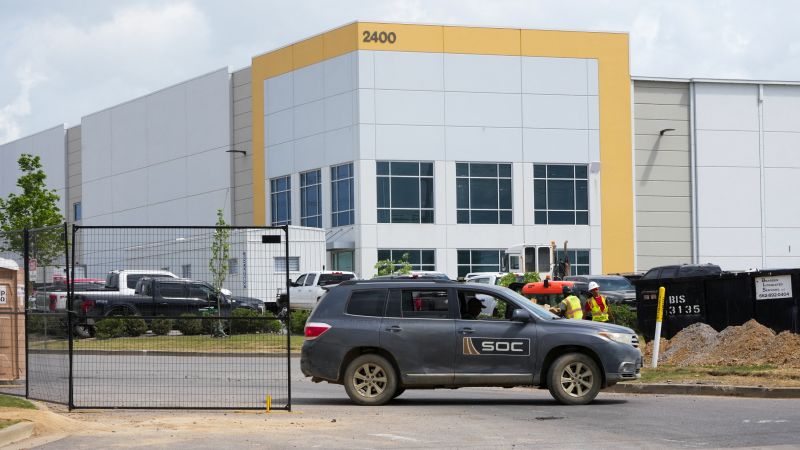
The lawsuit, launched in April, claims that xAI and its subsidiary MZX Tech are operating without adequate air permits, leading to the emission of harmful pollutants such as nitrogen oxides. These toxins contribute to smog formation and are linked to health problems like asthma and respiratory distress. The NAACP argues that the data center’s expansion, which supports xAI’s AI chatbot Grok, threatens local communities’ ability to hold tech giants responsible for their environmental impact.
Trump’s Justice Department urges court to argue that the case undermines the government’s role in ensuring national security. The department contends that the gas turbines are essential for powering advanced AI systems critical to both economic development and defense operations. This perspective frames the lawsuit as a potential obstacle to technological progress, rather than a tool for environmental justice.
Legal Rationale and Criticisms
According to the DOJ’s motion, the agency is invoking its authority under the Clean Air Act to prioritize the Executive Branch’s control over enforcement. The argument suggests that citizen suits, like the one brought by the NAACP, should not override the government’s strategic interests. However, legal experts warn that this approach could redefine how environmental laws are applied, potentially limiting public access to legal remedies against corporate pollution.
“The Department of Justice will not allow environmental laws to impede our national security priorities,” asserted Principal Deputy Assistant Attorney General Adam Gustafson. This statement encapsulates the DOJ’s stance, framing the lawsuit as a threat to the nation’s technological and economic advancement.
Environmental advocates, such as Laura Thoms of Earthjustice, counter that the DOJ’s position risks weakening the legal avenues available for communities to challenge pollution. They emphasize that the case represents a broader trend of using national security as a justification to bypass environmental regulations, raising questions about the balance between innovation and public health.
Broader Impacts on Environmental Advocacy
The NAACP, which leads the lawsuit, argues that the DOJ’s intervention could set a dangerous precedent. By dismissing the case, the department may embolden corporations to ignore environmental standards in favor of economic or strategic benefits. “This decision could strip communities of their power to hold polluters accountable,” said Abre’ Conner, the NAACP’s environmental director, highlighting the potential long-term consequences for environmental justice efforts.
Legal analysts also point out that the DOJ’s move reflects a shift in how environmental enforcement is approached. With the current administration’s emphasis on deregulation, the department is leveraging its authority to shield companies like xAI from traditional legal challenges. This could affect future lawsuits against tech firms, as the focus keyword is repositioned to align with the government’s strategic goals.
Local Opposition and Public Health Risks
Residents near the Colossus 2 data center have raised alarms about the health and environmental effects of the turbines. They argue that the pollution is exacerbating respiratory conditions and affecting air quality in nearby neighborhoods. Tennessee’s Democrat Justin J. Pearson criticized the DOJ’s decision, stating that it favors corporate interests at the expense of public welfare and environmental protections.
Trump’s Justice Department urges court to dismiss the case, which has sparked a debate on the role of government in environmental oversight. While the department cites national security and technological progress, critics maintain that the move prioritizes political agendas over the well-being of affected communities. This tension underscores the growing divide between corporate interests and public health concerns in the context of climate regulation.