Americans Are Split on ‘Culture War’ Issues, New CNN Poll Reveals
Sandego.net – As the midterm elections approach, the debate over cultural values has become a central theme in political discourse. A recent CNN poll conducted by SSRS highlights how Americans remain deeply divided on the so-called ‘culture war’ issues, with Republicans actively using this divide to position themselves as defenders of traditional values. The findings reveal a stark contrast in perspectives between the parties, raising questions about how these disagreements will shape the upcoming political landscape.
The Cultural Acceptance Split
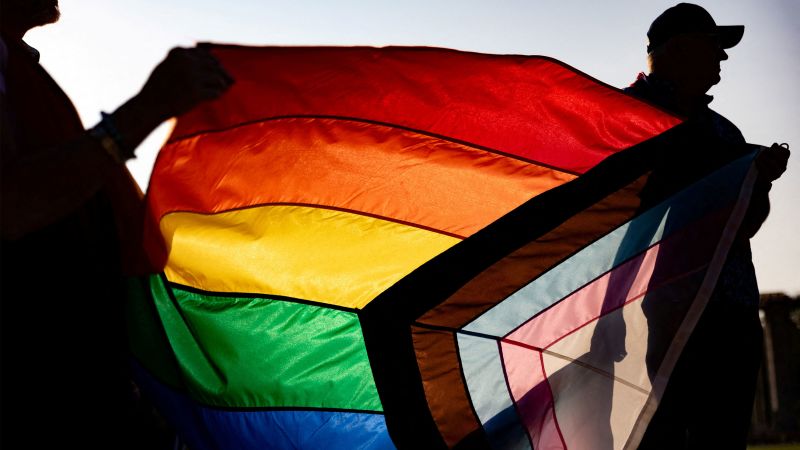
The survey underscores a nation grappling with competing visions of societal progress. Nearly half of Americans believe that the acceptance of diverse identities—such as different gender roles, sexual orientations, and cultural backgrounds—has gone too far. In contrast, just over half of respondents argue that society has not embraced these differences sufficiently. This divide is not new but has deepened over the past year, with Republicans and independents increasingly aligning on the idea that cultural norms are being overstepped.
“Things you’d never think twice about saying 2, 3, 4, 5 years ago, now people are suddenly saying, ‘Oh you can’t say that,’” remarked Ed Shedlock, a Louisiana Republican who participated in the poll. “Some people will cancel people for something so insignificant it’s not even worth having a conversation with them.”
The poll also reveals that the public is evenly split on whether the greater issue is individuals being overly cautious about their speech or people feeling emboldened to make offensive remarks. However, the divide becomes more pronounced when discussing the broader cultural shifts. For instance, only a third of Americans think the country would benefit from reverting to 1950s standards of gender roles, a sentiment that has grown steadily since the 1990s. This shift reflects changing attitudes, particularly among women, who increasingly view traditional gender roles as restrictive rather than progressive.
Republican Use of Cultural Backlash
While the economy remains the top priority for most voters, Republicans have capitalized on the cultural divide to frame their messaging. Candidates across the party are flooding voters with advertisements that portray the “woke” left as a threat to American values. This strategy is evident in Texas, where state representative James Talarico—known for his earlier advocacy of nonbinary identities and climate-conscious meat reduction—now faces criticism for his past statements. Talarico has distanced himself from these remarks, calling them “cringey,” as opponents weaponize his views to highlight perceived ideological inconsistencies.
Similar tactics are being employed in other states. In South Carolina, Lieutenant Governor Pamela Evette has aired ads accusing liberal institutions of silencing conservatives, leveraging her disinvitation from a state university speaking event as a rallying point. She claims, “I’ll make sure that if liberal institutions cancel conservatives, we cancel their funding.” In Nevada, GOP primary winner David Flippo has targeted his rival, James Settelmeyer, by accusing him of being a “woke liberal pretending to be a Republican.” These attacks aim to stoke fears that Democrats are pushing cultural boundaries at the expense of traditional values.
The Role of Primaries in Fueling the Divide
The culture war has become particularly salient in GOP primaries, where candidates often cater to voters eager for a backlash against progressive social policies. This is evident in the case of James Talarico, whose early support for LGBTQ+ rights and climate action has made him a target for conservatives. Despite his current distancing from these positions, his past statements are being used as a cudgel against Democrats, with some Republicans arguing that his shift reveals a lack of conviction.
President Donald Trump’s administration has also amplified this narrative by framing diversity initiatives as a core part of his political agenda. This approach has resonated with GOP candidates, who see cultural acceptance as a key battleground. For example, in the recent South Carolina governor’s race, Evette’s campaign has emphasized the “woke mob” as a symbol of liberal overreach, positioning herself as a champion of conservative values. Such messaging is designed to unify the party’s base and appeal to voters who feel marginalized by progressive policies.
Democratic Perspectives and Internal Divides
On the other side of the debate, Democrats and their allies largely reject the idea that society has gone too far. According to the CNN poll, 60% of Democrats believe cultural acceptance has not been sufficient, while only 18% agree with the opposing view. This perspective is rooted in the belief that progress on issues like gender equality and racial justice is essential for addressing systemic inequities.
However, even within the Democratic coalition, there are notable differences. Women, for instance, are more likely than men to see offensive speech as a problem and to support greater societal acceptance of differences. The poll indicates that women are 8 points more inclined than their male counterparts to view the current state of cultural norms as insufficient. This gender divide suggests that while the party is broadly united in its support for diversity, there are still subgroups with distinct priorities.
“The best part about being an American is that we stand up for each other,” said Danny Minaya, a New York Democrat who participated in the survey. “You fight for the little guy, you stand up for the person that’s being shitted on, you stand up for the person that needs their rights protected. Right now, it doesn’t seem like we’re doing that.”
These differing views highlight the complexity of the culture war. While Republicans focus on the perceived excesses of liberalism, Democrats emphasize the need for continued progress. The tension between these positions is likely to shape the midterms, with candidates on both sides using cultural issues to rally their bases and differentiate themselves from opponents.
Broader Implications for the Midterms
The increasing polarization over cultural values may influence voter behavior in critical races. For instance, the 6-point rise in the percentage of Americans who believe society has moved too far in accepting diversity—now at 47%—suggests that this issue is gaining traction beyond its traditional role as a secondary concern. Republicans are not only using it to attack Democrats but also to reinforce their own image as guardians of cultural traditions.
Meanwhile, the Democratic party faces the challenge of maintaining unity on these issues. While their base strongly supports progressive cultural policies, they must also address concerns among moderate voters who may feel the party has strayed too far from mainstream values. The CNN poll’s findings indicate that the culture war is no longer a fringe topic but a central part of the national conversation, with potential to sway election outcomes in key states.
As the midterms draw closer, the strategic use of cultural issues will likely intensify. Republicans aim to exploit public unease with progressive policies, while Democrats seek to rally support for their vision of societal progress. The outcome of this ideological battle could determine the trajectory of American politics for years to come, with the balance of power shifting based on how these issues resonate with voters.