ICE Agent Charged in Minneapolis Shooting Arrested in Texas
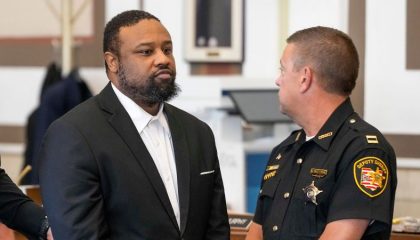
Sandego.net – Christian Castro, an ICE agent charged in the shooting incident that occurred during a Minneapolis immigration enforcement operation, has been apprehended in Texas. The Minnesota Bureau of Criminal Apprehension confirmed the arrest, which took place in Harlingen, Texas, on Friday. Castro faces four counts of second-degree assault and one charge of false reporting, as outlined by the Hennepin County Attorney’s Office. His capture follows a federal indictment that emerged after video evidence and witness accounts raised questions about the incident’s circumstances.
Arrest Context and Legal Implications
The arrest marks a key development in the case involving Julio Sosa-Celis, a 34-year-old man who was injured in a January 14 shooting. Castro’s actions during the Trump-era crackdown in the Twin Cities led to heightened scrutiny of federal use-of-force policies. The Hennepin County Attorney’s Office stated that the arrest was executed “without incident,” emphasizing the agent’s detention in Cameron County Jail. This move signals a shift in accountability, as local authorities now have the authority to process the case following Castro’s Texas capture.
Castro’s arrest comes amid mounting pressure on the U.S. Department of Homeland Security (DHS) to address allegations of excessive force. While DHS defended the agent’s actions as necessary for self-defense, the case has exposed inconsistencies in their narrative. The Justice Department’s decision to drop federal charges against Sosa-Celis and his cousin, Alfredo A. Aljorna, further weakened the agency’s claims, prompting renewed calls for transparency and justice.
Shooting Details and Evidence Contradictions
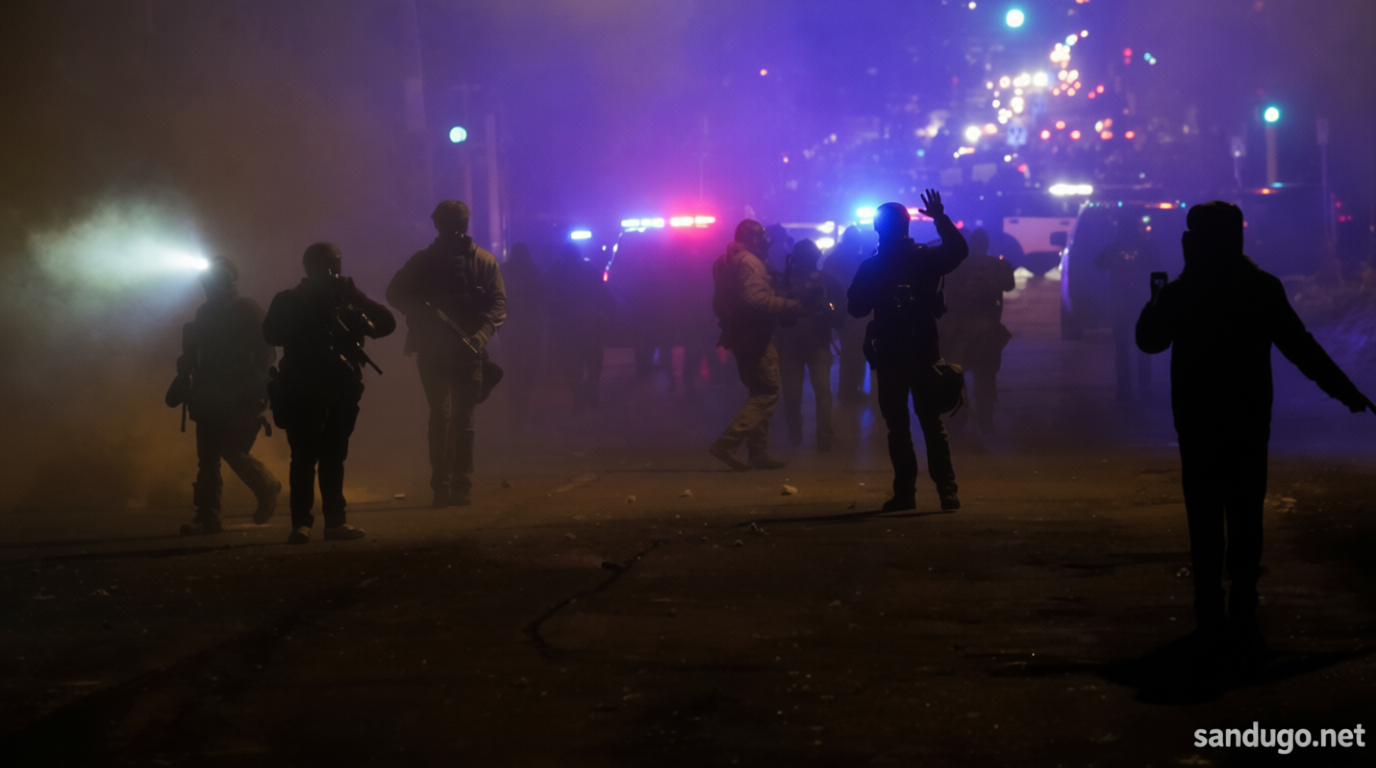
The shooting incident in Minneapolis initially described by federal authorities as a defensive response has been challenged by emerging footage. A nine-minute video captured by a city camera shows Sosa-Celis outside his home with a snow shovel, which he drops before his cousin arrives. The footage then depicts him running toward the house, casting doubt on the justification for the shot fired. Prosecutors argue that the video does not align with Castro’s account, highlighting the discrepancy in the official story.
Castro’s arrest has intensified debate over ICE’s tactics during immigration raids. The case is part of a series of incidents where federal narratives have been contested by visual evidence. For instance, in January, a 33-year-old mother and a 37-year-old nurse were killed during similar operations, with conflicting accounts from 911 calls and surveillance footage. These events have fueled public concern about the agency’s adherence to use-of-force guidelines and its impact on communities.
Political and Community Reactions
Minnesota Attorney General Keith Ellison called Castro’s arrest a “significant step toward justice,” stressing that no federal agent should be exempt from accountability. He criticized the agent for fabricating his version of events, noting that the lies he told to superiors undermined the credibility of the case. “Equal justice under the law requires transparency, and Castro’s actions appear unwarranted,” Ellison said in a statement following the arrest.
Minneapolis Mayor Jacob Frey also welcomed the development, framing it as a necessary correction to the city’s experience with federal agents. “The Twin Cities were targeted during a sweeping immigration crackdown, and the use of force in these operations must be scrutinized,” Frey remarked. His comments reflect growing public sentiment that the agency’s actions in Minneapolis have been disproportionate, particularly given the lack of clear justification for the shooting.
Broader Implications for Immigration Enforcement
Critics argue that Castro’s case exemplifies the broader issues facing immigration enforcement in the U.S. The shooting, which occurred during a high-profile operation, has sparked discussions about the balance between border security and community safety. Advocacy groups have called for reforms to reduce the reliance on lethal force in routine encounters, citing the incident as a symbol of the agency’s aggressive tactics. The arrest in Texas now provides an opportunity to reassess these practices and hold officials accountable for their consequences.
As the legal process unfolds, the case may set a precedent for how ICE agents are treated in both federal and local jurisdictions. The involvement of Minnesota prosecutors in Castro’s case underscores the importance of cross-checking federal narratives with evidence from the scene. This development has also reignited conversations about the role of political influence in shaping immigration enforcement policies and the need for independent oversight to ensure fairness and accountability.