
US not ready to seek deal to end war with Iran, Donald Trump says
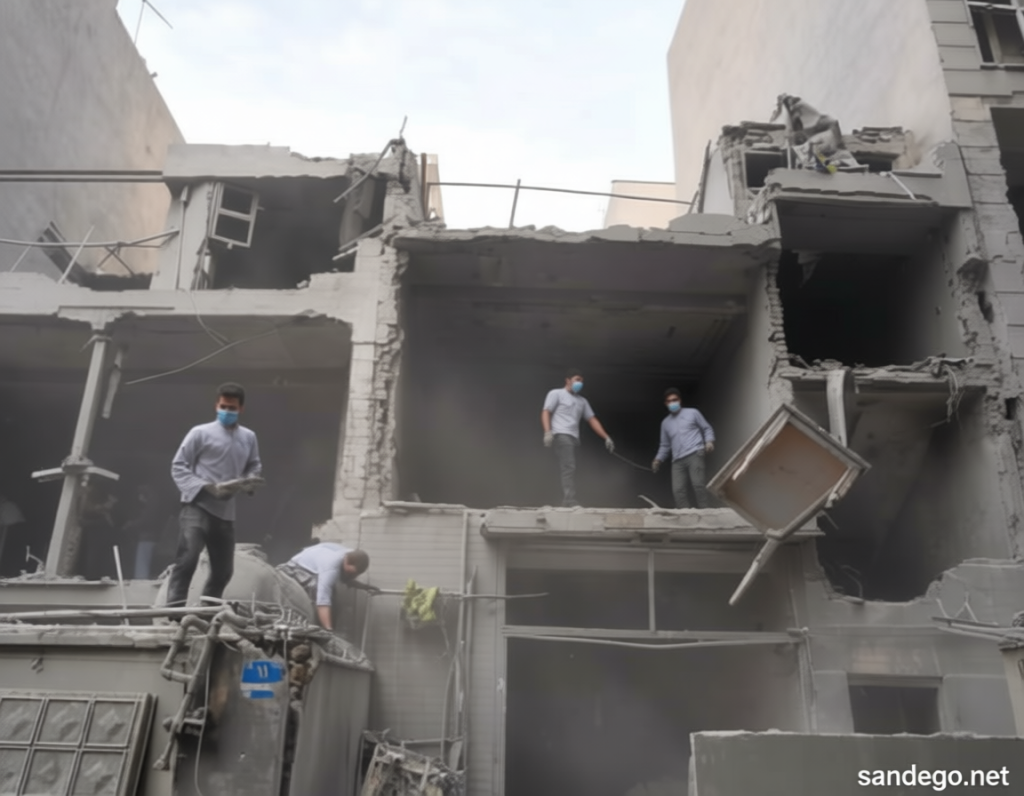
US Not Ready to Seek Ceasefire with Iran, Donald Trump Asserts
Donald Trump declared the United States would not pursue a peace agreement to halt the ongoing military campaign against Iran, arguing that while Tehran expressed interest in negotiations, the U.S. would continue its attacks to secure more favorable conditions. His remarks coincided with Iran’s latest missile and drone strikes targeting Gulf nations and Israel, followed by Israeli and American air strikes on Iranian territory.
The war has intensified turmoil across the Middle East, causing global air traffic disruptions and halting oil exports from the region. This has driven international fuel prices higher. Despite these challenges, neither Iran nor the U.S. showed signs of reducing their aggressive statements, even as casualties climbed and the strait of Hormuz remained effectively closed.
Trump, speaking with NBC News on Saturday, hinted at further military action, suggesting U.S. aircraft might strike Kharg Island—a key site for Iran’s oil exports—again “just for fun” after recent attacks there. He stated,
“Iran wants to make a deal, and I don’t want to make it because the terms aren’t good enough yet.”
Trump also emphasized increasing strikes along the Iranian coast to ensure safe passage for oil shipments.
Experts note that reopening the strait through military force alone remains challenging as Iran continues to threaten shipping with missiles, drones, and small boats. Trump proposed involving foreign warships to safeguard tankers, though the strait accounts for roughly 20% of global oil and gas transit. Over 600 vessels are currently stranded in the Red Sea, according to reports.
In Tehran, daily life showed some resilience, with residents returning to work and cafes reopening. The Tajrish bazaar in the city’s north had over a third of its stalls active just five days before Nowruz, the Persian New Year. However, online banking at Bank Melli faced interruptions, while public transport saw fewer passengers than earlier in the conflict.
Iran’s foreign minister, Abbas Araghchi, called for restraint during a conversation with France’s Jean-Noël Barrot, urging nations to avoid actions that might expand the war. Khamenei, Iran’s new supreme leader, has pledged to keep Hormuz closed, but Trump dismissed his authority, claiming:
“I don’t know if he’s even alive. So far, nobody has been able to show him.”
Iran confirmed Khamenei was wounded in the attack that began the war on February 28, though the injuries are described as minor.
The Israeli military launched additional strikes against western Iran after Revolutionary Guards labeled Benjamin Netanyahu a criminal. The UN Refugee Agency reported that up to 3.2 million Iranians have been displaced, many fleeing cities for safety. Meanwhile, the International Committee of the Red Cross stated over 1,300 people have died in U.S. and Israeli attacks, including 223 women and 202 children.
Violence persists beyond Iran, with the U.S. advising citizens to evacuate Iraq after pro-Iranian groups targeted the embassy and military bases. Kurdish factions in the north also reported strikes against potential U.S. allies, highlighting the region’s ongoing instability.
