US and Iran Reach Maritime Agreement. Strait of Hormuz Remains Unstable
Sandego.net – Amid escalating tensions, the United States and Iran have inked a maritime agreement to manage the strategic waterway of the Strait of Hormuz. However, the narrow passage continues to face unpredictable challenges as both nations struggle to balance their competing interests. The accord, aimed at ensuring safe passage for commercial vessels, has yet to bring the necessary calm to the region, where geopolitical maneuvering often outpaces diplomatic commitments.
Iran’s Bold Move and Immediate Consequences
On Thursday, Iran’s Revolutionary Guards issued a direct warning to ships traversing the strait, asserting that unauthorized movements would face consequences. This declaration preceded a significant incident involving the Singapore-registered container ship *Ever Lovely*, which was struck by an Iranian drone, according to a U.S. official. The attack, the first of its kind since the agreement was signed, has sparked concerns about the deal’s ability to prevent further incidents.
“Any vessel attempting to transit without our consent or outside designated routes will be held accountable,” the Revolutionary Guards emphasized, signaling their resolve to enforce Iran’s authority over the strait.
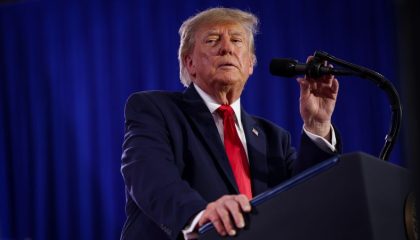
President Donald Trump swiftly criticized the attack, labeling it a “violation of the Ceasefire Agreement.” In response, the U.S. military targeted Iranian positions near the strait, though the specifics of the strikes remain unclear. The move appears to be a strategic message rather than an outright conflict, underscoring the delicate balance of the agreement.
Escalation or Diplomatic Flexibility?
The Iranian state media outlet Press TV reported that the Revolutionary Guards retaliated by launching strikes against U.S. installations in the region. While the U.S. has not confirmed these actions, the incident highlights the potential for tension to resurface. Bahrain also noted that its territory was struck by Iranian drones, though the precise targets are still under review.
Despite these developments, the agreement includes provisions designed to stabilize the strait. Iran has pledged to make “arrangements using its best efforts” to protect commercial vessels, allowing the U.S. to secure a guaranteed route for oil shipments. Yet, the persistent chaos suggests the deal has not fully resolved the complexities of the region’s dynamics.
Iran’s New Regulatory System
Iran’s newly formed Persian Gulf Strait Authority (PGSA) has introduced a formalized process for granting safe passage to ships, requiring an email authorization form. This initiative, accompanied by insurance coverage, aims to establish Iran’s role as a regulator. However, CNN’s attempts to contact the PGSA were met with bounced emails, indicating potential communication gaps.
The PGSA’s measures reflect Iran’s broader effort to assert control over the strait. By imposing fees and implementing an environmental tax, the country seeks to leverage the waterway for economic and political gain. While the U.S. and its allies continue to navigate the agreement, the effectiveness of these new rules remains questionable.
Three Routes, Three Claims
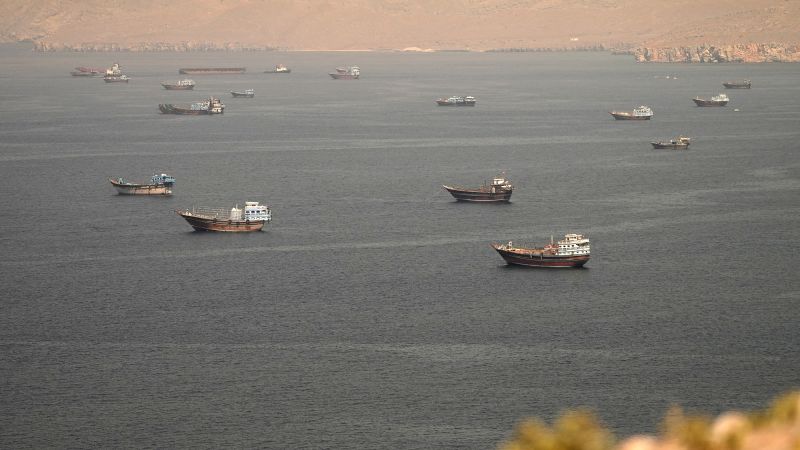
Three distinct transit paths have emerged within the 21-mile-wide strait, each backed by different authorities. The southern route operates in Omani waters, the middle route follows historical patterns, and the northern route is under Iranian jurisdiction. This fragmentation has created a dilemma for ship operators, who must choose between routes with varying levels of risk and political exposure.
Choosing non-Iranian routes exposes vessels to potential attacks, while the Iranian route carries the risk of triggering Western sanctions if the agreement falters. “Global shipping is hesitant to engage with Iran due to fears of U.S. sanctions,” noted Dimitris Maniatis, CEO of maritime risk consultancy Marisks. “Operators are particularly cautious given past statements from the current administration about toll fees being a sanctionable act.”