
Iran says it will ‘irreversibly destroy’ Middle East infrastructure if US attacks energy sites
Iran Says It Will ‘Irreversibly Destroy’ Middle East Infrastructure If US Attacks Energy Sites
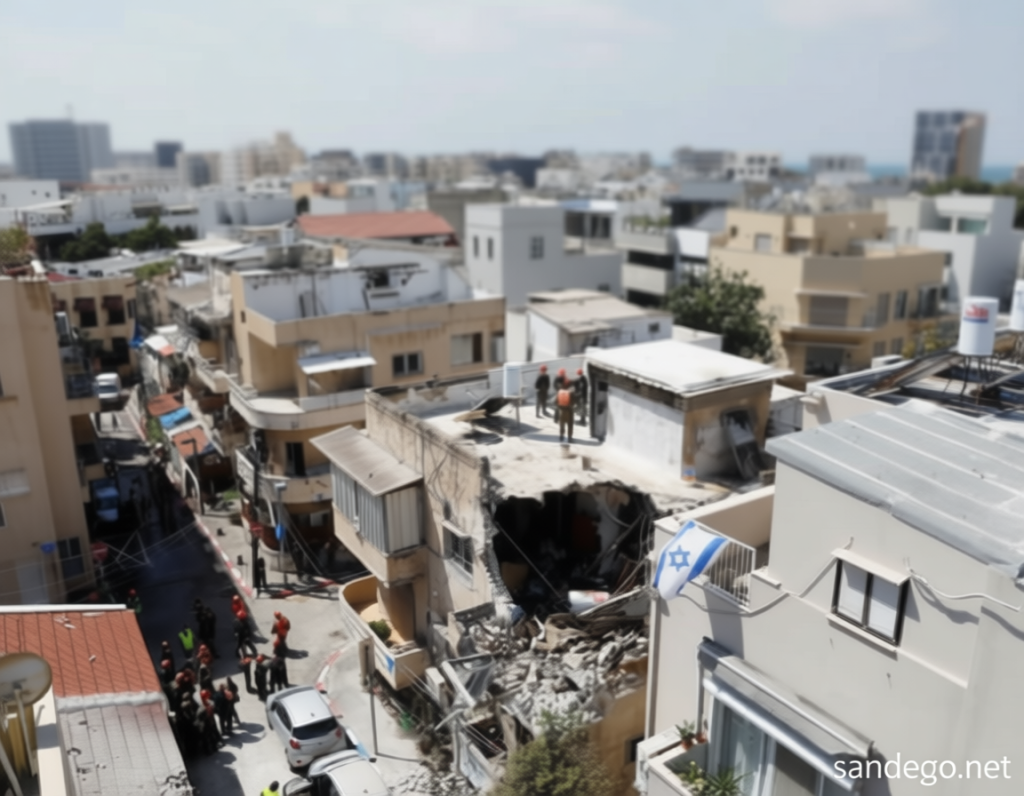
Iran has warned that it will target critical infrastructure throughout the Middle East, such as essential water systems, if the United States proceeds with Donald Trump’s plan to “obliterate” Iranian power plants. The threat comes as Iranian missiles struck two southern Israeli cities overnight, injuring dozens, and as Tehran unveiled long-range missiles for the first time, signaling a possible sharp increase in regional conflict. These events indicate a possible significant escalation, with both sides now targeting systems relied upon by millions.
Parliament Speaker Warns of Widespread Destruction
On Sunday, Mohammad Bagher Ghalibaf, speaker of Iran’s parliament, stated that vital infrastructure in the region—including energy and desalination plants—would be seen as a valid target and “irreversibly destroyed” once Iran’s own facilities faced assault. Amnesty International highlighted this week that strikes on essential services like electricity, heating, and water could breach international law, potentially classifying some actions as war crimes due to the risk of massive civilian casualties.
“Vital infrastructure in the region will be considered a legitimate target and will be ‘irreversibly destroyed’ as soon as our own infrastructure is attacked,” said Ghalibaf.
US Ultimatum and Strategic Responses
US President Trump gave Iran 48 hours to open the Strait of Hormuz, a key route for global oil transportation, or face an attack on its power plants, starting with the largest ones. Meanwhile, Iran’s representative to the International Maritime Organisation, Ali Mousavi, claimed the strait was accessible to all ships except those associated with “Iran’s enemies,” with coordination ensuring safe passage for friendly nations.
“We’re going after the regime. We’re going after the IRGC, this criminal gang,” said Netanyahu.
Impact of Attacks on Global Energy
Iranian strikes have effectively closed the narrow Strait of Hormuz, which handles roughly a fifth of the world’s oil and liquefied natural gas. This has triggered the worst oil crisis since the 1970s, while European gas prices surged by up to 35% last week. Only about 5% of the pre-war vessel traffic has been permitted through, restricted to countries like China, India, and Pakistan that Tehran views as allies.
Casualties and Escalating Tensions
Six days into the conflict, over 2,000 people have been killed in attacks by the US and Israel on Iranian sites, with Tehran retaliating against Israeli and Gulf targets. Lebanon was pulled into the war after Iranian-backed Hezbollah launched strikes on Israel. Air raid sirens blared across Israel early Sunday, alerting residents to incoming missiles after two separate attacks on Arad and Dimona injured around 200 individuals, including two young children in critical condition.
“We’re going after the regime. We’re going after the IRGC, this criminal gang,” said Netanyahu.
Iranian Leadership’s Stance
Iran’s president, Masoud Pezeshkian, asserted that threats and terror only strengthen national unity, while the “illusion of erasing Iran from the map” reflects a sense of desperation. The Iranian military’s Khatam al-Anbiya headquarters added that if the US carried out its threat, the Strait of Hormuz would be “completely closed” and not reopened until Iranian power plants were restored.
