What ER Doctors, Prosecutors, and Parents Want You to Know About E-Bikes
Sandego.net – On Christmas Day, Jade Sharpe watched as her 13-year-old daughter Kennedi Chandler took her new electric bike for a ride in their Indiana neighborhood. The vehicle, capable of reaching speeds up to 20 mph, was a gift that came with a mix of excitement and caution. Sharpe had intended to equip Kennedi with a helmet, but the unseasonably warm weather and the girl’s enthusiasm for the bike made the decision feel harder. Within two hours, Kennedi’s joy turned into a harrowing emergency when she crashed, leaving her with a traumatic brain injury that required 14 days in intensive care and 20 days in the hospital overall. Doctors had to remove a portion of her skull to relieve swelling and bleeding, an outcome that left Sharpe shaken. “You just know,” she told CNN. “I didn’t realize how bad it was until we were in the ambulance.” The family opted for Indianapolis’ top trauma center, acknowledging the severity of the situation.
A Parent’s Heartbreak
Sharpe’s experience is far from unique. As e-bikes grow in popularity, especially among younger riders, the risks of accidents are becoming more apparent. While these vehicles are often seen as a convenient and eco-friendly alternative to traditional transportation, they can also lead to severe injuries when used without proper safety measures. “They thought their kid was just doing something fun,” said Dr. Darria Long, an Atlanta emergency room physician. “They thought a helmet would prevent all injuries—then they’re devastated.” Long has encountered numerous cases of e-bike-related trauma, from head injuries and fractures to cardiac arrest and even fatalities, over the past decade. She emphasized that parents may underestimate the power of these devices, particularly when they are equipped with motors that can push riders beyond 30 mph.
“Every parent loves their child, and they don’t want to see them hurt. They didn’t know how dangerous it could be,” Long explained.
California’s E-Bike Tragedies
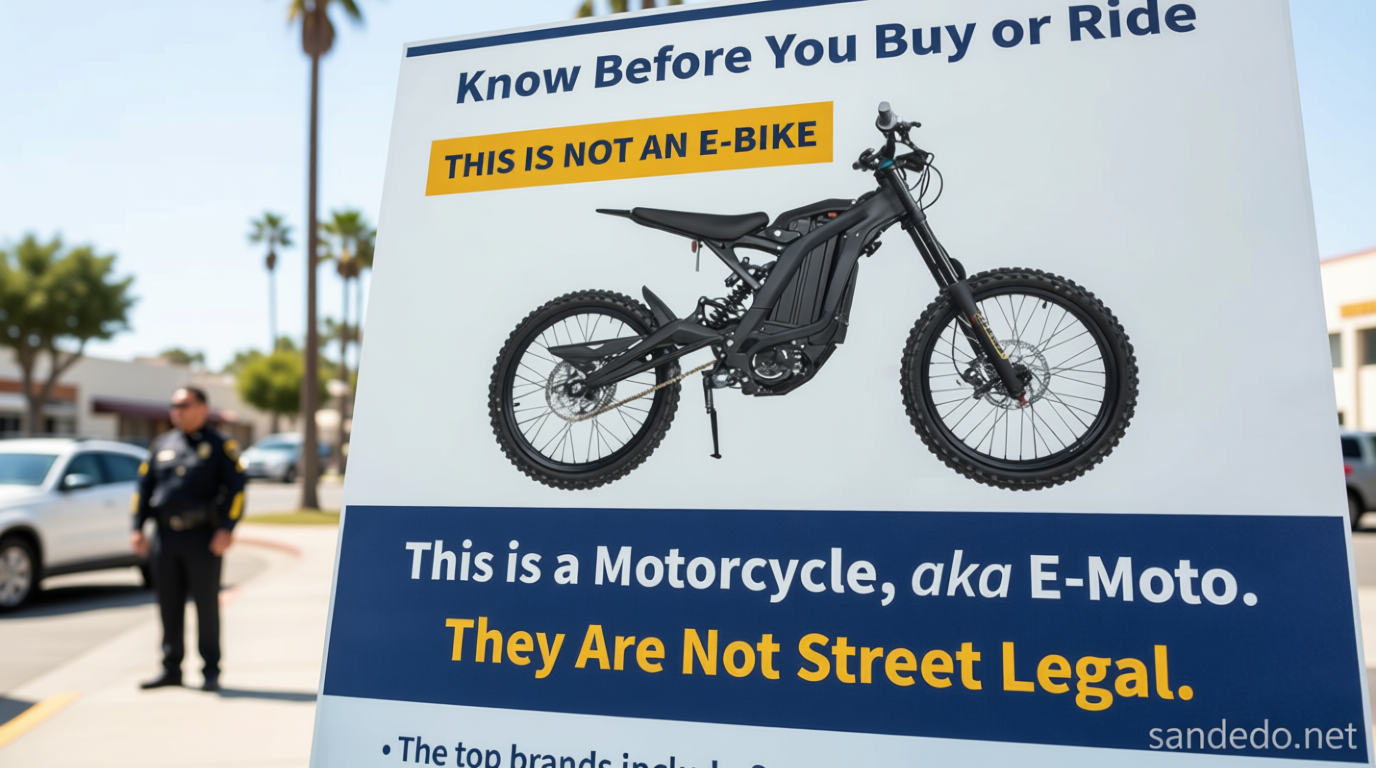
Recent incidents in California have underscored the growing risks associated with e-bikes. In Fresno, a 13-year-old died, and two others suffered serious injuries after separate crashes involving electric bikes. The same pattern emerged in Garden Grove, where a 13-year-old boy lost his life after riding at approximately 35 mph and colliding with a center median. Authorities described the vehicle as an electric motorcycle, highlighting its higher power compared to standard e-bikes. In Lake Forest, a 14-year-old was involved in a fatal accident while performing wheelies on an e-motorcycle that could reach speeds of 56 mph. The collision killed an 81-year-old Vietnam veteran walking home from his job as a substitute teacher. The boy’s mother now faces involuntary manslaughter charges, having been previously warned about the illegality of riding the motorized vehicle at such high speeds.
These tragedies have prompted prosecutors to take action. Orange County’s district attorney recently filed child endangerment charges against three parents for allowing their children to ride electric motorcycles without proper licensing. The district attorney referred to the devices as “deadly weapons,” stressing the need for stricter oversight. Meanwhile, safety advocates and parents are calling for clearer regulations, greater transparency from sellers, and more education on how these vehicles operate.
Data Behind the Rising Risks
The surge in e-bike accidents is not just anecdotal. According to the U.S. Consumer Product Safety Commission, the number of micromobility fatalities—encompassing e-bikes, e-scooters, and other small electric vehicles—jumped from five in 2017 to 135 in 2024. During the same period, emergency department visits related to these incidents quadrupled, rising from 37,300 to 149,100, as reported in a document published in April. Notably, e-bike deaths alone increased from zero in 2017 to 97 in 2024. These figures, however, do not account for motorized vehicles like mopeds or e-motorcycles, which can surpass e-bike speed limits and are often excluded from the CPSC’s scope but still pose significant dangers.
Experts warn that the design of e-bikes and e-motorcycles—sleek frames, large tires, and powerful motors—can make them more dangerous than traditional bicycles. For instance, e-motorcycles capable of reaching 56 mph are now being used by teens in ways that may not align with their intended purpose. While some families view these vehicles as a healthy way to stay active, the reality is that they require more than just a helmet. “It’s not just a broken bone,” Sharpe said, reflecting on Kennedi’s recovery. “The consequences can be life-altering.”
A Call for Regulation and Awareness
As gas prices rise and more people seek alternatives to cars, e-bikes have become a symbol of sustainability and convenience. However, the recent wave of accidents has led to a shift in perspective. ER doctors, prosecutors, and parents now share a common message: e-bikes demand greater attention to safety. “You can’t just assume they’re like regular bikes,” Long said. “They’re faster, more powerful, and the risks are real.”
Parents, in particular, are being urged to scrutinize the vehicles their children use. The incident involving Kennedi Chandler illustrates how quickly a recreational activity can turn into a medical emergency. “They didn’t realize the power of the bikes or motor vehicles their children were riding,” Sharpe noted. “It could be so much worse than what you think.” This realization is driving families to adopt stricter safety protocols, such as ensuring helmets are worn and monitoring the speed and type of vehicle their children ride. Meanwhile, lawmakers and safety organizations are pushing for updated regulations that would require licenses for high-speed e-motorcycles, enforce helmet laws, and improve road signage to accommodate these vehicles.
Some advocates argue that the lack of standardization in e-bike design and speed ratings contributes to the problem. For example, while many e-bikes are limited to 20 mph, e-motorcycles can go much faster, often without clear distinctions for riders. This ambiguity has led to situations where children ride at speeds that exceed those of traditional bicycles, increasing the likelihood of severe injuries. “The key difference is the speed,” Long said. “Parents need to understand that an e-bike isn’t just a toy—it’s a vehicle that can carry a rider into a high-risk situation in an instant.”
As the trend continues, the focus is shifting from celebration to caution. The stories of Kennedi Chandler and others like her serve as reminders of the importance of safety measures. “They thought it was a fun activity,” Sharpe said. “But it’s a reality check when your child is in the hospital.” With the number of incidents on the rise, the call for regulation is growing louder. Whether through legislative action, public education, or parental vigilance, the goal remains the same: to prevent more tragedies and ensure that e-bikes are as safe as they are convenient.
As Kennedi prepares to return to soccer with a helmet, her mother hopes her experience will inspire others to take safety seriously. “It’s a lesson we all need to learn,” Sharpe said. “Even the smallest oversight can lead to the biggest consequences.” The road ahead for e-bikes may be paved with innovation, but it also requires a commitment to safety—both on the part of manufacturers and parents who entrust their children to ride them.