A Decade After the Pulse Nightclub Tragedy: Survivors Share Their Journey
Sandego.net – On the morning of June 12, 2016, the Pulse nightclub in Orlando, Florida, was alive with music and energy. Over 300 patrons filled the space, many gathered for a Pride celebration that had become a symbol of joy and unity for the LGBTQ+ community. The atmosphere was vibrant, with Latin rhythms echoing through the walls and laughter mingling with the clink of glasses. But this harmony was shattered just before 2 a.m. when a single gunshot pierced the night, marking the beginning of one of the deadliest mass shootings in U.S. history.
The Attack That Changed Everything
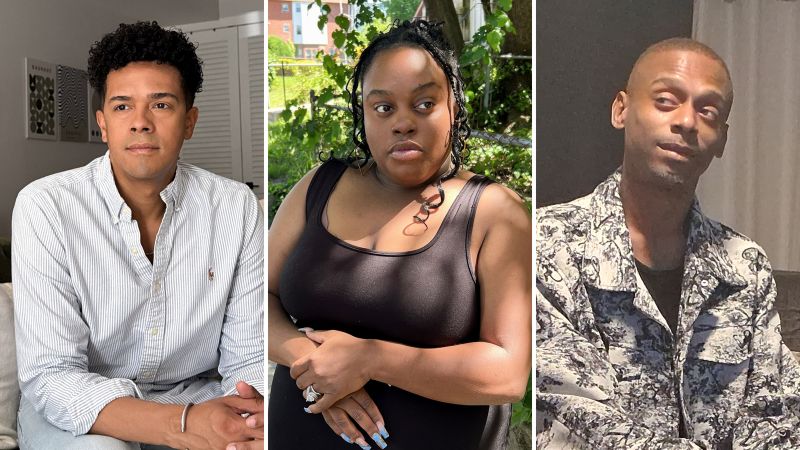
The gunfire, fired by a 29-year-old assailant, quickly escalated into a nightmare. Keinon Carter, a survivor, recalled the chaos as he and his friend Antonio Brown ventured from the restroom to investigate the noise. What followed was a harrowing sequence of events: a barrage of bullets, a flood of panic, and a timeline of loss that would haunt them for years. Over several hours, the gunman claimed 49 lives and injured more than 50 others before being subdued by law enforcement. By the time the dust settled, the attack had been classified as both a terrorist act and a hate crime, leaving an indelible mark on Orlando’s LGBTQ+ community.
The tragedy disproportionately affected young gay and Hispanic men, many of whom were attending the club to celebrate their identities. The FBI’s investigation into the case revealed a pattern of prejudice, as the shooter targeted individuals based on their sexual orientation and ethnicity. For survivors like Carter, the trauma was compounded by the knowledge that the attack was not just random but rooted in deep-seated hatred. “It was like the world had stopped,” Carter said, reflecting on the moment the violence erupted.
Survivors’ Paths to Recovery
While the physical scars of the shooting are visible for some, others carry their pain in more subtle ways. For Tiara Parker, the emotional weight of the event took years to process. She described how grief and trauma initially felt like a distant cloud, only to return with a crushing force that left her struggling to stand. “I pushed it aside for so long,” Parker said, “until the memories became too heavy to ignore.”
Brandon Wolf, another survivor, found a way to channel his anguish into purpose. At 27, he was on the brink of a promising career, having recently been promoted to district manager at multiple Starbucks locations in Orlando. His life had been filled with aspirations—plans to one day work at Starbucks headquarters in Seattle and own a modest home with a Subaru in the driveway. Yet, the night of the shooting transformed those dreams into something more profound.
Wolf’s memories of June 12, 2016, are vivid but fragmented. He recalls the moment he entered the restroom, hands scrubbing against the sink, when a plastic cup lay abandoned on the counter. Its edges were marred by lime slices and a slush of ice, creating beads of condensation on the surface. But what he cannot piece together are the faces of people who sought shelter in the bathroom that night—faces that now belong to strangers who once shared his fear.
The shooter’s rampage left Wolf with a deep sense of loss, particularly after he realized his close friend Christopher Leinonen, known as “Drew,” had not survived. Leinonen, 32, had been a constant source of encouragement, often challenging Wolf to embrace his fullest potential. Their bond was so strong that Wolf had even moved into an apartment two doors away from Leinonen’s. “We were like sitcom characters,” Wolf said, “always able to pop in and out of each other’s lives, checking the window to see if the other was home.”
On the night of the attack, Wolf had invited Leinonen and his boyfriend, Juan Ramon Guerrero, to Pulse. He had hoped their presence would provide a sense of security as he met his ex-boyfriend at the club. But the moment the shooting began, he was forced to flee, leaving Leinonen and Guerrero behind on the dance floor. “Nothing really prepares you for going out for a drink with your friends and then having to call their parents hours later to tell them their kids aren’t coming home,” Wolf said. This single sentence captures the surreal shift from celebration to sorrow that defined the night.
Rebuilding Lives and Legacies
In the years since, survivors have navigated a complex path of healing. Some have taken on roles as advocates, striving to create a world where such violence is less likely to occur. Wolf, for instance, has turned his trauma into a mission to support others. “The way the shooting reshaped what I value in life is incredible,” he said. “It made me realize success isn’t just about career milestones—it’s about the people you love and the lives you help protect.”
The anniversary of the Pulse shooting in 2026 has brought renewed reflection on the event’s lasting impact. Survivors who spoke to CNN described how the tragedy continues to influence their perspectives, relationships, and sense of purpose. For many, the pain of that night has evolved into a driving force for change, both personal and collective. “We carry the weight of that day with us every day,” Wolf said, “but we also carry the hope of what it means to survive.”
As the LGBTQ+ community in Orlando and beyond continues to celebrate progress, the Pulse shooting remains a reminder of the challenges they face. The anniversary has sparked conversations about resilience, community solidarity, and the ongoing fight against prejudice. Survivors, once overshadowed by the tragedy, now serve as beacons of strength, proving that even in the face of unimaginable loss, life can find its way back to light.
Legacy of Love and Loss
For those who lost loved ones that night, the Pulse shooting has been a catalyst for transformation. It has deepened bonds, inspired activism, and redefined what it means to live authentically. The story of the survivors is one of endurance, where the echoes of that fateful night continue to shape their journeys. “We were there to celebrate love,” Wolf said, “and the shooting reminded us how much it means to protect it.”
As the years pass, the memories of June 12, 2016, remain etched in the hearts of those who lived through it. The Pulse nightclub, once a place of celebration, now stands as a symbol of both sorrow and resilience. Survivors like Wolf, Carter, and Parker have turned their grief into a source of strength, ensuring that the legacy of the shooting is not just one of loss, but of hope and continued advocacy for a safer, more inclusive world.