He overcame his criminal past to help stop violence on Baltimore’s streets. His arrest reveals the job’s fragile balance
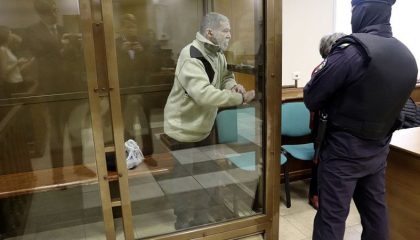
Sandego.net – Antoine Burton, a former criminal now working to mend the fabric of Baltimore’s neighborhoods, was recently arrested on charges of first-degree attempted murder and gun possession. The incident, which occurred last week, has shaken the community-led violence interruption program Safe Streets, raising questions about the balance between trust and accountability in its mission. Burton, who had earned a reputation as a reliable mediator of conflicts, was prohibited from carrying firearms due to his prior convictions, yet he allegedly shot another man during a volatile encounter. The victim, reported to be in stable condition, is expected to recover fully, though the arrest has cast a shadow over the program’s efforts to reduce violent crime in the city.
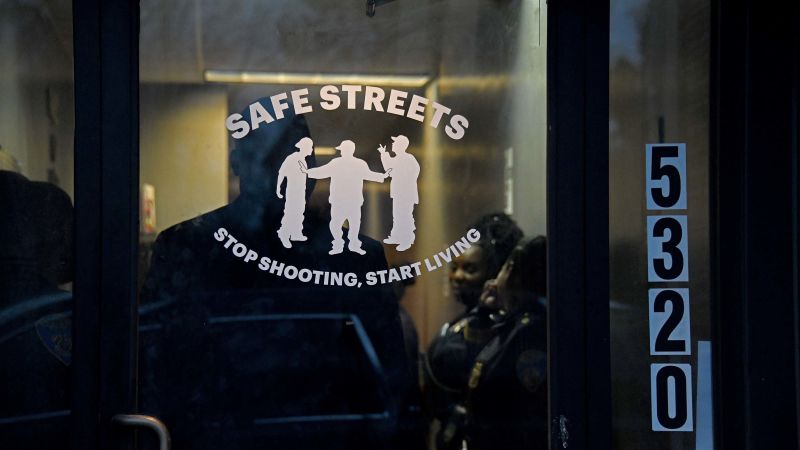
Burton’s role as a violence interrupter is critical to Baltimore’s recent progress in curbing homicides. City data reveals that violent crime in the city has seen historic declines, with the lowest homicide numbers recorded in nearly five decades in 2025. Safe Streets, which relies on individuals like Burton to serve as “credible messengers,” has been credited with this success. These workers, often former gang members or individuals with deep ties to their communities, connect at-risk individuals with resources such as job training, counseling, and housing. Their ability to build trust stems from shared life experiences, allowing them to navigate dangerous situations with a level of understanding that outsiders might lack.
However, Burton’s arrest has exposed the vulnerabilities inherent in this system. A city official overseeing the municipally-funded program noted that he was “highly recommended” for his ability to steer peers away from violence. “He had the kind of influence that makes people listen,” the official said. “His history with the community gave him a unique platform to address the root causes of conflict.” Yet, his actions have challenged this perception. The arrest, which occurred during a time when he was supposed to be helping others avoid similar fates, has sparked debates about whether the program’s reliance on personal credibility is enough to prevent internal conflicts.
‘We are the alternative’: A growing movement aims to disrupt violence by connecting incarcerated youth with mentors
Safe Streets has long operated on the principle that those who have walked the path of violence can guide others away from it. This philosophy has driven the program’s success, but it also requires a delicate equilibrium. City officials and community leaders emphasize that workers must remain grounded in their communities while also maintaining the discipline to avoid falling back into the same patterns. “It’s a tightrope walk,” said one leader. “You have to be someone who can both endure the chaos of conflict and inspire hope in the people you’re trying to help.”
“That’s where the work comes in. That could be triggering for you because you used to be a man that didn’t tolerate no disrespect from nobody,” Sean “Weezy” Wees, director of a Safe Streets site in Brooklyn, said of the challenges faced by interrupters. “We have to be able to engage and have a rapport with the type of guys that I used to be myself.”
Wees, who has been a part of the program since 2019, understands the risks involved. Before joining Safe Streets, he was actively involved in the same violence he now seeks to prevent. “I was one of the same ones carrying guns, selling dope, doing everything under the sun in the Brooklyn community,” he recalled. “We were tearing it down through violence and drug abuse, and things of that nature.” His transformation began after his younger brother was killed in 2015, an event that redefined his purpose. “That moment changed everything,” he said. “I realized I wouldn’t wish that pain on my worst enemy.”
Wees and Burton shared a close working relationship, with Burton often acting as a mentor and guide for those in need. “He had a way of connecting with people that made them feel seen,” Wees said. “He didn’t just talk about change—he lived it.” But Burton’s arrest has highlighted the fragile nature of this trust. The incident, which occurred when he was expected to be a role model, has raised concerns about the program’s vetting process. City officials, including the State’s Attorney for Baltimore City, Ivan Bates, have criticized the lack of transparency in identifying and monitoring workers. “We need to know who we’re putting in the field,” Bates said. “If they’re not accountable, the program’s credibility is at risk.”
She lost her son to gun violence. Now she’s part of a movement credited with Baltimore’s crime drop
The broader impact of Safe Streets extends beyond individual stories. For many families, the program represents a lifeline. A mother in the Brooklyn neighborhood, whose son was killed by gun violence in 2017, became a key supporter of the initiative. “When I saw how it was helping others, I knew I had to be part of the solution,” she said. “I lost my son, but I don’t want anyone else to go through what we did.” Her perspective underscores the emotional weight of the program’s work, where every intervention carries the potential to change lives.
Burton’s case, however, has created a rift between the program’s supporters and its critics. While the mayor and program director insist the arrest is an exception, not a reflection of the initiative’s overall effectiveness, some question whether the system is prepared for such setbacks. “This is a sign that we can’t take our success for granted,” said a community advocate. “Even the best programs need to adapt when things go wrong.” The incident has also reignited discussions about the need for stricter oversight, especially given the program’s reliance on individuals with criminal histories.
Despite these challenges, the program continues to operate with a sense of purpose. Workers like Wees and Burton are often the bridge between violence and peace, using their own struggles to foster understanding. “You have to be willing to walk the line between being a former offender and becoming a hero,” Wees said. “It’s not easy, but it’s necessary.” His words reflect the commitment of those in the program, even as they grapple with the reality of their dual roles as both mentors and potential triggers of violence.
As Burton prepares for his preliminary hearing on July 8, the community watches closely. His arrest may serve as a reminder of the high stakes involved in this work, but it also highlights the resilience of the people who choose to step into the fray. For Safe Streets, the incident is a test of how the program will respond to its own contradictions. “We’re not perfect,” said the mayor, “but we’re making progress. This is a learning moment.” The future of the program will depend on its ability to balance the need for trust with the demands of accountability, ensuring that its mission remains as vital as ever in a city still fighting for safer streets.
In the end, the story of Antoine Burton is a microcosm of the broader struggle against violence. He was once part of the cycle, now he is trying to break it. Yet, the arrest raises the question: How do you stay on the right side of the conflict when the same forces that once drove you could pull you back in? The answer lies in the program’s ongoing efforts to refine its approach, to empower its workers, and to remind Baltimore that the fight for peace is never easy—but it’s always worth it.