Dissent Grows Against Deal in Iran – But the Regime is Likely to Have Final Say
Sandego.net – As the United States and Iran move closer to finalizing a deal aimed at resolving a conflict that has simmered for over three months, internal tensions within the Iranian government are intensifying. While the agreement appears to be gaining momentum, certain factions are vocal in their opposition, arguing that the terms being discussed do not align with the nation’s core interests. The regime, however, remains poised to make the ultimate decision, despite the mounting pressure from hardliners and the public.
Hardliners Criticize the Memorandum of Understanding
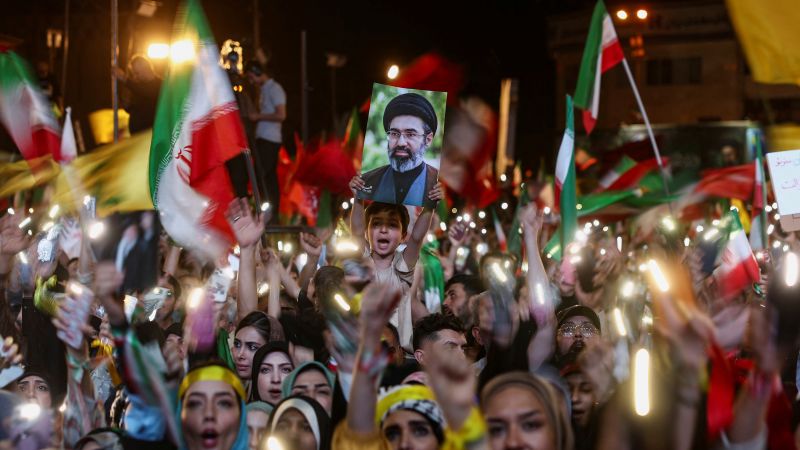
Recent reports indicate that a group of conservative Iranian officials have been actively undermining the proposed terms of the “memorandum of understanding.” These critics, who are often associated with state-aligned media, have launched a campaign to highlight perceived weaknesses in the deal. Their efforts have included public rallies where chants of discontent echo through Tehran’s streets, targeting the negotiators who are tasked with representing the country’s interests.
“If Iran signs the agreement, we will effectively become a colony of the United States,” said Mahmoud Nabavian, a prominent figure within the hardline faction. His remarks underscore the belief that the deal would compromise Iran’s sovereignty, particularly by allowing foreign access to the strategic Strait of Hormuz.
The skepticism is not unfounded. Nabavian, who once served on the negotiation team, warns that the agreement would open the door for U.S. influence in Iran’s critical maritime chokepoint. This concern is amplified by the idea that the U.S. could exert control over Iran’s energy exports, a vital component of its economy.
The Endurance Front: Guardians of the 1979 Revolution
At the heart of the dissent is the Endurance Front, a smaller faction within Iran’s political landscape. This group, known as “Jebhe-ye Paydari,” sees itself as the defender of the values that emerged during the 1979 revolution, which overthrew the pro-Western Shah and established an Islamic regime rooted in Shia ideology. Their resistance to the agreement is framed as a safeguard against Western encroachment, particularly in the context of Iran’s long-standing rivalry with the United States.
Over the past months, Iranian officials have tried to navigate a delicate balance, engaging in negotiations with Trump while also addressing the concerns of domestic factions. The April talks in Pakistan, which included members of the Endurance Front, were seen as a strategic move to demonstrate unity. Yet, this faction has used its platform to amplify criticism, pressuring negotiators to secure more favorable terms.
Protests and the Struggle for Internal Cohesion
Despite efforts to maintain harmony, dissent has spilled into the streets. Demonstrations organized by the Endurance Front have targeted Iran’s top diplomat, Abbas Araghchi, with chants echoing the group’s demand for stronger resistance. These protests, held outside the foreign ministry, reflect a broader frustration with the agreement’s perceived concessions to U.S. demands.
The regime’s response has been swift. Social media accounts linked to Supreme Leader Mojtaba Khamenei have reposted a message from March, urging media to avoid overemphasizing Iran’s vulnerabilities. The semi-official Javan newspaper, often aligned with the Islamic Revolutionary Guard Corps (IRGC), has criticized those who ignore Khamenei’s guidance, accusing them of sowing discord among the population.
“The more signals of weakness we send, the closer war comes to us,” Nabavian emphasized during a televised interview, where he reviewed the draft agreement. His words highlight the belief that any perceived compromise could invite military retaliation.
Recent rallies in Tehran have seen participants demand the resignations of both Araghchi and Mohammad Bagher Ghalibaf, the chief negotiator. These demonstrations, captured on social media, have drawn attention to the growing divide within the country’s political sphere. One chant, “Ghalibaf, Araghchi – what about my Leader’s blood?” references the assassination of Khamenei’s father at the onset of the conflict in February, symbolizing a deep-seated anger toward perceived betrayal.
The Road to a Deal: Trump’s Deadline and Tehran’s Hesitation
U.S. President Donald Trump has set a deadline for the signing of the memorandum, coinciding with his 80th birthday. However, this timeline has not been confirmed by Iranian officials, who remain cautious about the final terms. The lack of transparency has fueled speculation about the deal’s content, with critics arguing that the U.S. may be imposing conditions that weaken Iran’s long-term strategic position.
Among the key concerns is the timing of Iran’s benefits. The agreement reportedly outlines a phased release of frozen assets overseas, but the exact schedule remains unclear. This uncertainty has led to calls for more aggressive negotiations, with hardliners insisting that the U.S. should not be allowed to dictate the pace of Iran’s recovery.
A Shift in Narrative: Balancing Dissent and Unity
While the hardliners dominate the headlines, Iranian officials have been working to temper the discourse. Ali Rabiei, a close ally of President Masoud Pezeshkian, warned against creating “artificial narratives” that could undermine the deal’s prospects. Media outlets have echoed this sentiment, cautioning against letting disagreements escalate into divisions.
The Tasnim news agency, a semi-official source, criticized the “ugly insults” directed at some officials, emphasizing that even limited criticism is unacceptable. These statements reflect the regime’s desire to project strength, even as it grapples with internal dissent. The goal is to ensure that the final agreement is seen as a collective decision, rather than the result of factional conflicts.
Conclusion: The Fate of the Deal Hangs in the Balance
Although dissent has grown, the Iranian regime’s ability to maintain control remains a critical factor. The Endurance Front’s influence, while significant, may not be enough to prevent the signing of the deal. However, the pressure from hardliners could force compromises that shape the agreement’s terms. As the deadline approaches, the outcome will depend on whether the regime can reconcile its internal divisions and present a united front to the world.
The conflict has already tested Iran’s political stability, and the upcoming decision could determine the country’s trajectory. Whether the deal will strengthen or weaken the Islamic Republic hinges on its ability to withstand the challenges posed by its own dissenting voices. The next few days will be pivotal in deciding the fate of this historic agreement.