
Is West End etiquette dying? Fears theatregoers will stop attending shows because of ‘disruptive and disrespectful’ audience members – as Heathers: The Musical star rages at drunken fans
Is West End etiquette dying? Fears theatregoers will stop attending shows because of ‘disruptive and disrespectful’ audience members – as Heathers: The Musical star rages at drunken fans
The West End has long relied on an informal code of conduct, expecting patrons to arrive punctually and minimize disturbances. Yet, recent trends suggest some attendees still require guidance on appropriate behavior to maintain a cohesive experience for all, including performers.
This week, Kate Rockwell, a cast member of Heathers: The Musical, voiced frustration over rowdy spectators and intoxicated fans. Her outburst ignited a widespread online discussion, with fans threatening to withdraw from the theatre scene if disruptions persist.
Theatre Etiquette in Crisis
A Reddit user, identifying as a seasoned UK actor with over two decades of stage experience, joined the conversation. They lamented the growing ‘epidemic of rudeness,’ stating that social norms have been abandoned in favour of chaotic interactions.
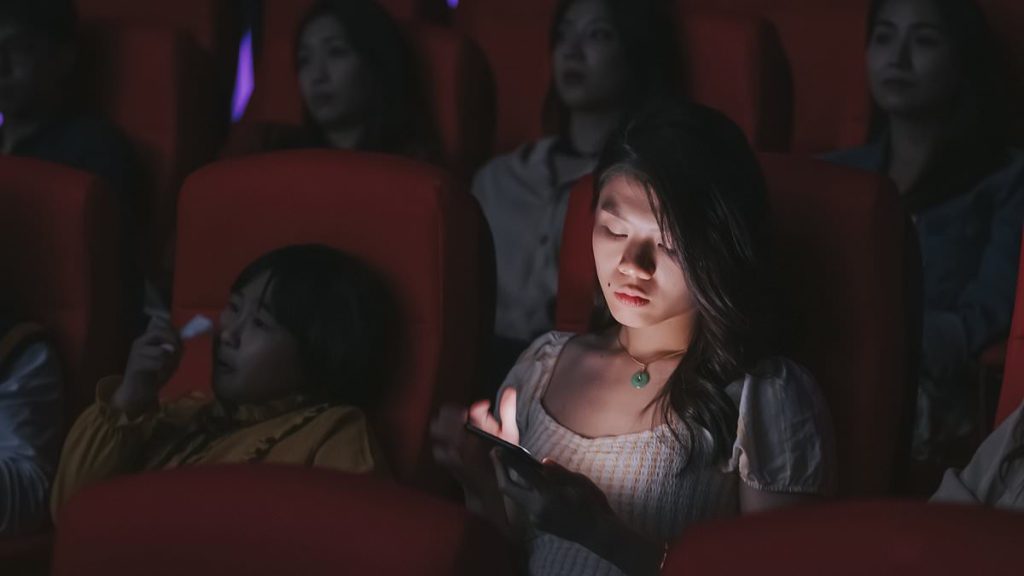
‘Professional and amateur theatre actor here with 20+ years experience in stages across the UK. Audiences have become shockingly rude, treating the theatre space like a cinema. Talking loudly, constantly on phones, disengaging from the performance, bringing in inappropriate food, and heckling – MY GOD, the heckling.’
While the actor occasionally steps in to address disruptions, they noted that some performances have been derailed by intoxicated outbursts. Younger audiences, in particular, are described as using the auditorium like a playground, with incidents ranging from dirty shoes on seats to loud chatter and even premature exits.
Online critics echoed these concerns, with one lamenting: ‘The pandemic really did something to people’s ability to behave in shared spaces.’ Another added: ‘Not to mention obstructed views due to all those phones being held up.’ A third exclaimed: ‘I can’t count the number of times I had to say something to people like that – why even be there if you’re gonna be talking all the time.’
Some argued that venues must take stricter measures, suggesting: ‘Etiquette in general is dead. Why are there not ushers escorting these feral people out?! I would hope that if there is drunken yelling etc the theater protects the experience for the performers and other audience members and removes them.’
Others pointed to the broader impact of such behavior, claiming: ‘This is partly why live art/cinema etc is dying. I’m not paying city break money for someone with main character syndrome to ruin my time.’
Past Incidents Sparking Debate
Disruptions in the West End are not a new phenomenon. Over the years, numerous incidents have forced shows to pause or alter their course. In 2023, four audience members were ejected from Grease The Musical by eight police officers for being ‘loud and abusive.’
Months earlier, at Bat Out Of Hell: The Musical in London, a spectator shouted ‘f***ing c***s’ during the performance, prompting security to intervene. Similarly, a The Bodyguard show was halted after a ‘mini riot’ erupted when patrons began singing over the lead during the final number.
Despite these examples, the debate continues. Rockwell’s recent critique has reignited discussions about the need for updated guidelines to preserve the integrity of live theatre experiences. Her message to fans emphasized the toll of their actions: ‘Singing along at the top of your voice, doing a version of the choreography in your chair, screaming the lines along with the actors… this is not “fun” for us onstage.’
Debbie Arnold, a former EastEnders actress, supported stricter measures, calling for a lifetime ban on disruptive attendees. Meanwhile, comedian Mike McClean questioned the severity of such penalties, suggesting they might be excessive.
