
Yellowstone Park Updates: Key Changes as of July 2024
Contact: Morgan Warthin, 307-344-2015
Last updated: July 23, 2024
Exploring Yellowstone National Park: An In-Depth Guide
Yellowstone National Park, located in the western United States, is a marvel of natural beauty and geological wonders. This guide aims to provide you with comprehensive information to enhance your visit to this iconic park. From its rich history to its diverse ecosystems, Yellowstone offers an unparalleled experience for nature enthusiasts and casual visitors alike.
Founded in 1872, Yellowstone National Park has the distinction of being the world’s first national park. It spans across three states—Wyoming, Montana, and Idaho—covering more than 2.2 million acres of pristine wilderness. The park is renowned for its geothermal features, abundant wildlife, and scenic vistas, making it a prime destination for tourists from around the globe.
Geothermal Features
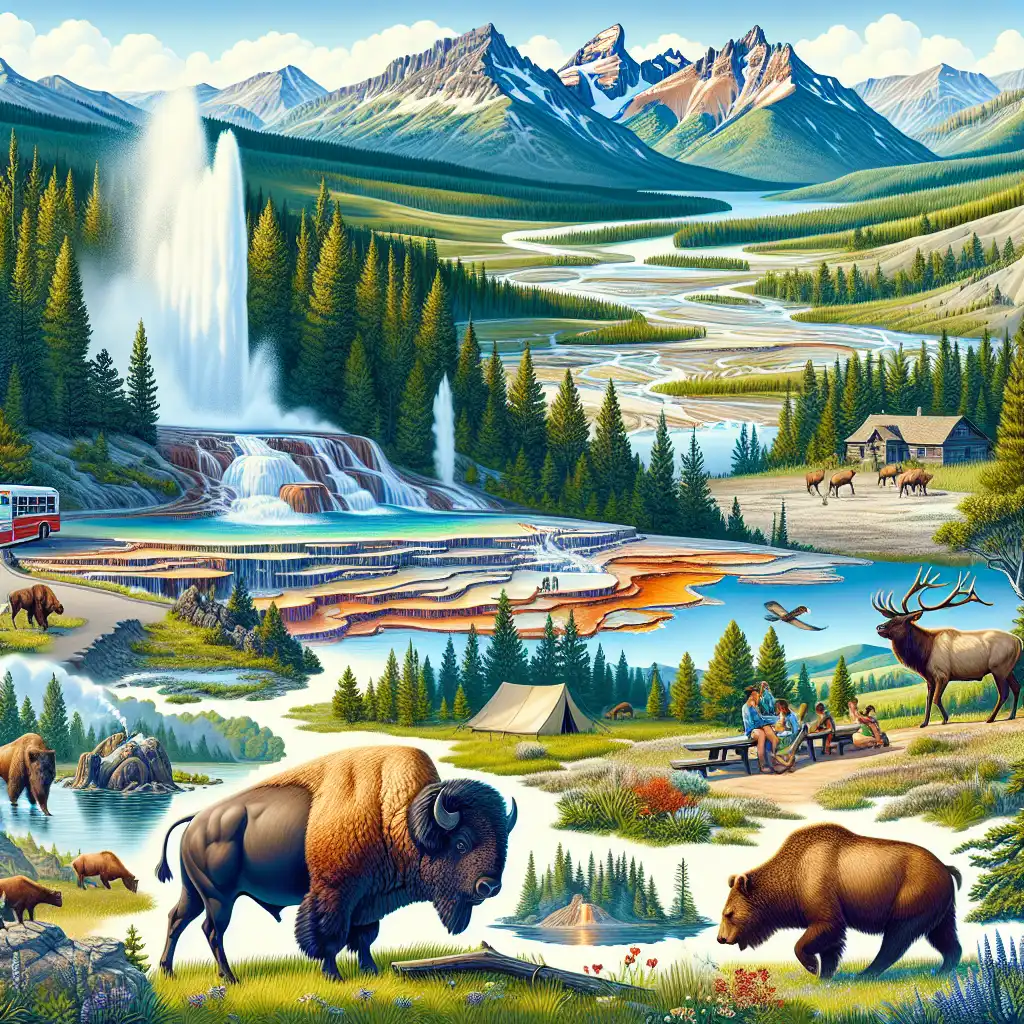
One of Yellowstone’s most famous attractions is its geothermal features. The park is home to more than half of the world’s geysers, including the iconic Old Faithful.
Geysers and Hot Springs
Yellowstone boasts a variety of geothermal phenomena:
– Old Faithful: Erupts approximately every 90 minutes, shooting water up to 185 feet.
– Grand Prismatic Spring: The largest hot spring in the United States, known for its vivid colors.
– Mammoth Hot Springs: Terraced formations created by mineral deposits.
Fumaroles and Mudpots
In addition to geysers and hot springs, Yellowstone features:
– Fumaroles: Steam vents that release volcanic gases.
– Mudpots: Acidic hot springs with a bubbly, mud-like appearance.
Wildlife and Ecosystems
Yellowstone’s diverse ecosystems support a wide array of wildlife, offering visitors a chance to observe animals in their natural habitats.
Mammals
The park is a sanctuary for several mammal species:
– Bison: The largest land animals in North America, often seen in large herds.
– Elk: Commonly found in meadows and forest edges.
– Grizzly Bears and Black Bears: Both species inhabit the park, with grizzlies being more elusive.
Birds and Fish
Birdwatchers and anglers will find plenty to enjoy:
– Birds: Over 300 species, including bald eagles and trumpeter swans.
– Fish: Native and non-native species, with popular fishing spots along the Yellowstone River.
Recreational Activities
Yellowstone offers a multitude of recreational opportunities for visitors of all ages.
Hiking and Camping
The park features numerous trails and campgrounds:
– Hiking: Trails range from easy walks to challenging backcountry routes.
– Camping: Developed campgrounds and backcountry sites are available for overnight stays.
Boating and Fishing
For those interested in water activities:
– Boating: Permitted on certain lakes and rivers, with rental options available.
– Fishing: Requires a special permit, with guidelines to protect native fish populations.
Safety and Regulations
Visitors should be aware of the park’s safety guidelines and regulations to ensure a safe and enjoyable experience.
Wildlife Safety
Interacting with wildlife requires caution:
– Maintain Distance: Stay at least 100 yards from bears and wolves, and 25 yards from other animals.
– Food Storage: Use bear-proof containers and follow park guidelines to prevent attracting wildlife.
Geothermal Safety
Respect the park’s geothermal features:
– Stay on Boardwalks: Many geothermal areas are fragile and dangerous.
– No Swimming: Hot springs and geysers can cause severe burns.
FAQs
What are the best times to visit Yellowstone National Park?
The best times to visit are late spring (April to May) and early fall (September to October) when the weather is pleasant, and the crowds are smaller.
Are pets allowed in Yellowstone?
Pets are allowed but must be kept on a leash and are restricted to developed areas, such as campgrounds and parking areas.
Do I need a permit to visit Yellowstone?
No permit is required for day visits, but certain activities like backcountry camping, boating, and fishing require special permits.
What should I pack for a trip to Yellowstone?
Essential items include:
– Layers of clothing: Weather can change rapidly.
– Sturdy footwear: For hiking and exploring.
– Bear spray: For safety in bear country.
Is there cell phone reception in the park?
Cell phone reception is limited and primarily available in developed areas such as visitor centers and lodges.
Conclusion
Yellowstone National Park is a treasure trove of natural wonders and outdoor activities. By respecting the park’s guidelines and preparing adequately, visitors can enjoy a safe and memorable experience. Whether you are drawn by the geothermal features, the diverse wildlife, or the breathtaking landscapes, Yellowstone offers something for everyone. Plan your visit carefully, and you’ll leave with memories that last a lifetime.
