
Supreme Court: Key Cases and Legal Impact Explained
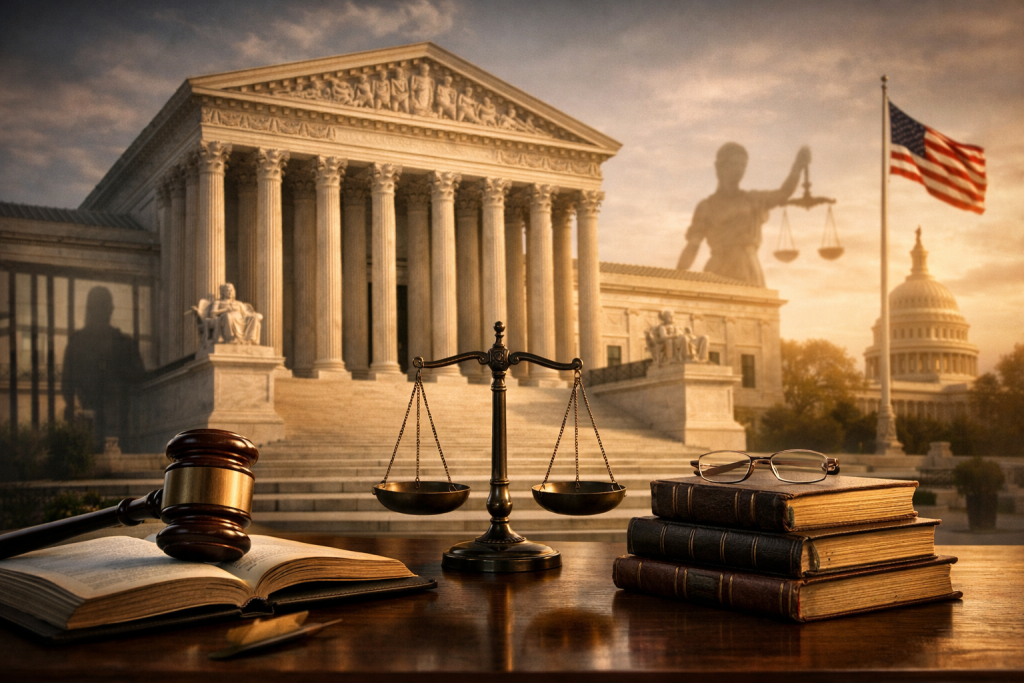
The supreme court is the highest judicial authority in a country, responsible for interpreting the constitution, resolving disputes between branches of government, and setting binding legal precedents. When people search for information about the supreme court, they are usually seeking clarity on its powers, its most influential cases, and its long-term impact on society. Understanding how the supreme court functions is essential to understanding how laws are shaped and applied. Its decisions often influence political structures, civil rights, and national policy for decades.
What Is the Supreme Court and Why It Matters
The supreme court sits at the top of the judicial hierarchy. It serves as the final court of appeal, meaning its decisions are conclusive and cannot be challenged by any other domestic court. In constitutional democracies, it plays a central role in safeguarding the rule of law.
One of the court’s core functions is judicial review, the authority to assess whether laws or government actions comply with the constitution. When legislation conflicts with constitutional principles, the supreme court can declare it invalid. This power ensures that no branch of government exceeds its constitutional limits.
The composition of the supreme court varies by country, but it typically consists of a small panel of judges or justices appointed for long terms. These appointments are often politically significant because the court’s interpretations can shape national policy. As a result, debates over judicial philosophy and independence are common.
Beyond constitutional interpretation, the supreme court also resolves disputes between states, federal entities, or major institutions. Its rulings often address complex legal questions with nationwide implications. This combination of authority and finality makes it one of the most powerful institutions in a legal system.
Landmark Supreme Court Cases That Shaped Law
Throughout history, the supreme court has issued landmark decisions that fundamentally changed legal landscapes. These cases often involve constitutional interpretation and individual rights. Their impact can extend far beyond the original dispute.
In the United States, for example, Marbury v. Madison (1803) established the principle of judicial review. This case confirmed that the supreme court could invalidate laws that conflict with the Constitution. It set the foundation for the court’s modern authority.
Another transformative case was Brown v. Board of Education (1954), which declared racial segregation in public schools unconstitutional. The ruling dismantled the “separate but equal” doctrine and accelerated the civil rights movement. It demonstrated how supreme court decisions can reshape social policy.
In other countries, similar landmark rulings have redefined constitutional protections. Courts have expanded rights related to privacy, freedom of speech, and equality. Each decision contributes to a broader body of constitutional jurisprudence that influences future cases.
Landmark cases illustrate how the supreme court does more than resolve disputes. It establishes principles that guide lower courts and lawmakers. Over time, these precedents become part of the legal framework governing society.
The Legal Authority and Powers of the Supreme Court
The authority of the supreme court derives from the constitution or foundational legal documents. Its powers typically include reviewing legislation, interpreting statutes, and resolving constitutional conflicts. These responsibilities position it as the guardian of constitutional order.
One key power is the ability to hear appeals from lower courts. When legal interpretations differ among regional or appellate courts, the supreme court can step in to provide uniform guidance. This ensures consistency in the application of law across the country.
Another significant function is constitutional interpretation. The supreme court often determines the meaning of ambiguous constitutional provisions. Its interpretations can expand or limit governmental authority and individual freedoms.
In some systems, the supreme court also exercises original jurisdiction over specific cases, such as disputes between states or high-ranking officials. This allows certain matters to be heard directly without passing through lower courts. Such authority highlights the court’s unique constitutional role.
Although powerful, the supreme court is constrained by procedural rules and legal principles. It cannot initiate cases on its own and must rely on properly filed disputes. Its legitimacy depends on adherence to legal reasoning and constitutional boundaries.
How Supreme Court Decisions Influence Society
The impact of the supreme court extends far beyond legal textbooks. Its rulings can transform public policy, reshape social norms, and alter government operations. Because its decisions are binding, they often trigger immediate changes in law enforcement and administration.
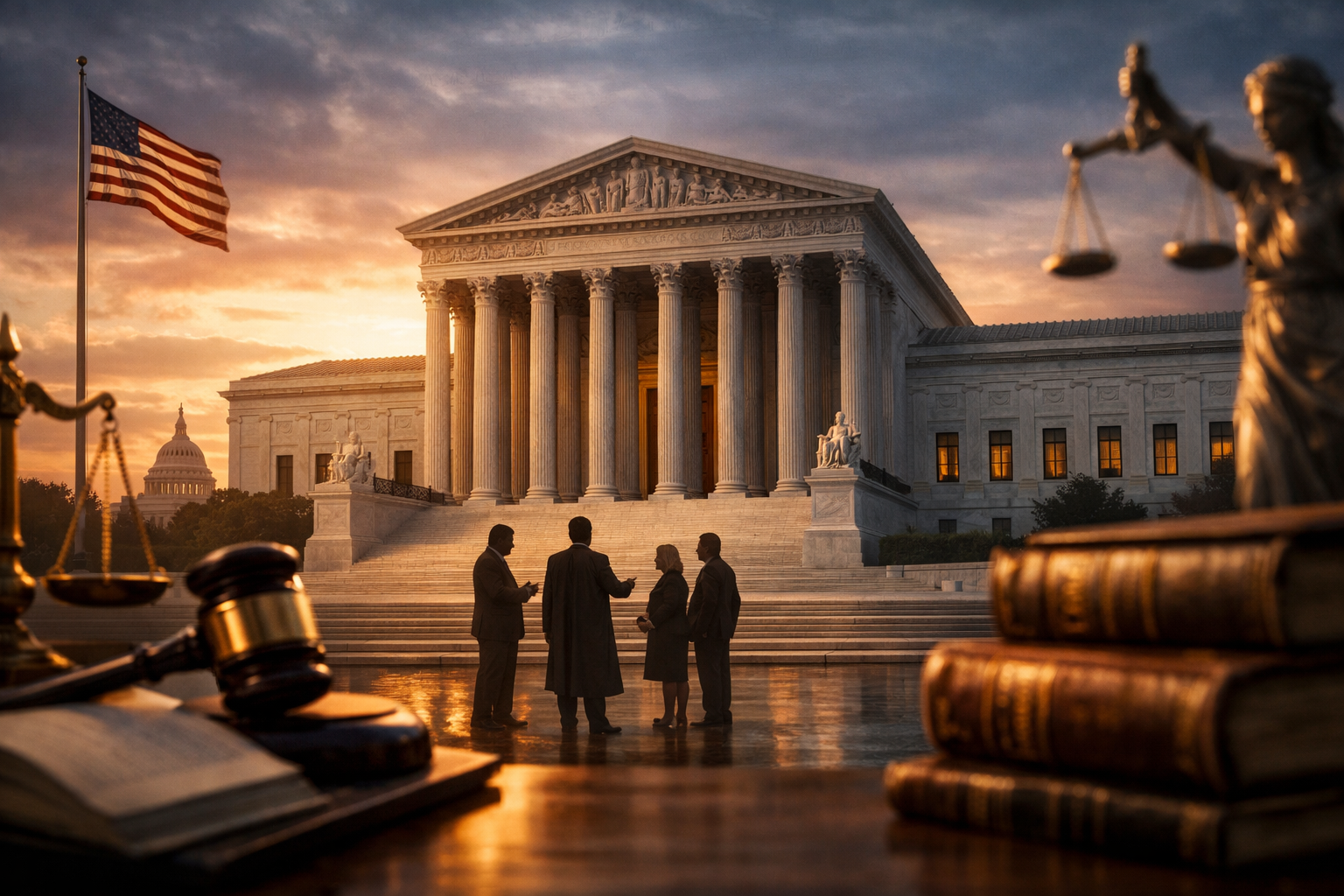
In areas such as civil rights, voting laws, and freedom of expression, supreme court decisions have defined the scope of individual protections. By interpreting constitutional guarantees, the court can either broaden or restrict access to rights. These interpretations affect millions of people.
Economic policy is also influenced by supreme court rulings. Decisions regarding taxation, corporate regulation, and labor law can alter market behavior and regulatory frameworks. Businesses and institutions closely monitor the court’s docket for this reason.
Political dynamics are equally affected. When the supreme court reviews executive actions or legislative acts, it may affirm or limit governmental power. This system of checks and balances preserves institutional equilibrium and prevents concentration of authority.
Public perception of the supreme court plays a role in its influence. Trust in judicial independence and impartiality strengthens the legitimacy of its decisions. Conversely, controversy surrounding certain rulings can intensify political debate and public scrutiny.
Ongoing Debates and Contemporary Challenges
Modern supreme courts face complex and evolving challenges. Rapid technological advancement has created new legal questions involving data privacy, artificial intelligence, and digital speech. The supreme court must interpret constitutional principles in contexts not envisioned by earlier generations.
Another area of debate involves judicial philosophy. Some justices favor originalism, interpreting the constitution according to its original meaning. Others support a more flexible approach, adapting constitutional principles to contemporary conditions. These differences influence case outcomes.
The appointment process is often politically contentious. Because supreme court justices typically serve long terms, their decisions can shape policy for decades. Political leaders therefore view appointments as opportunities to influence the legal direction of the nation.
There are also discussions about court reform, including term limits, expansion of the bench, or changes to jurisdiction. Supporters argue reforms enhance accountability, while critics warn of undermining judicial independence. These debates reflect the court’s central role in democratic governance.
Despite controversies, the supreme court remains an essential pillar of constitutional democracy. Its authority to interpret and enforce constitutional limits defines the structure of government and the protection of rights.
Conclusion
The supreme court stands as the final interpreter of constitutional and legal principles, with decisions that shape public policy, civil rights, and governmental authority. Through landmark cases, judicial review, and binding precedent, it defines the boundaries of law and power. Its influence reaches across political, social, and economic domains, making it one of the most consequential institutions in any legal system.
FAQ
Q: What does the supreme court do? A: The supreme court interprets the constitution, reviews laws and government actions, and serves as the final court of appeal in a country’s judicial system.
Q: Why are supreme court decisions so important? A: Its decisions are binding and set legal precedents that lower courts and government institutions must follow.
Q: How are supreme court justices selected? A: Selection methods vary by country, but justices are typically appointed by political leaders and may require legislative confirmation.
Q: Can a supreme court decision be overturned? A: In most systems, a decision can only be reversed by a later supreme court ruling or by a constitutional amendment.
Q: What is judicial review in the supreme court? A: Judicial review is the power to declare laws or government actions unconstitutional if they conflict with constitutional principles.
