
RCDEspanyol vs Barcelona: Rivalry That Defines Spanish Football
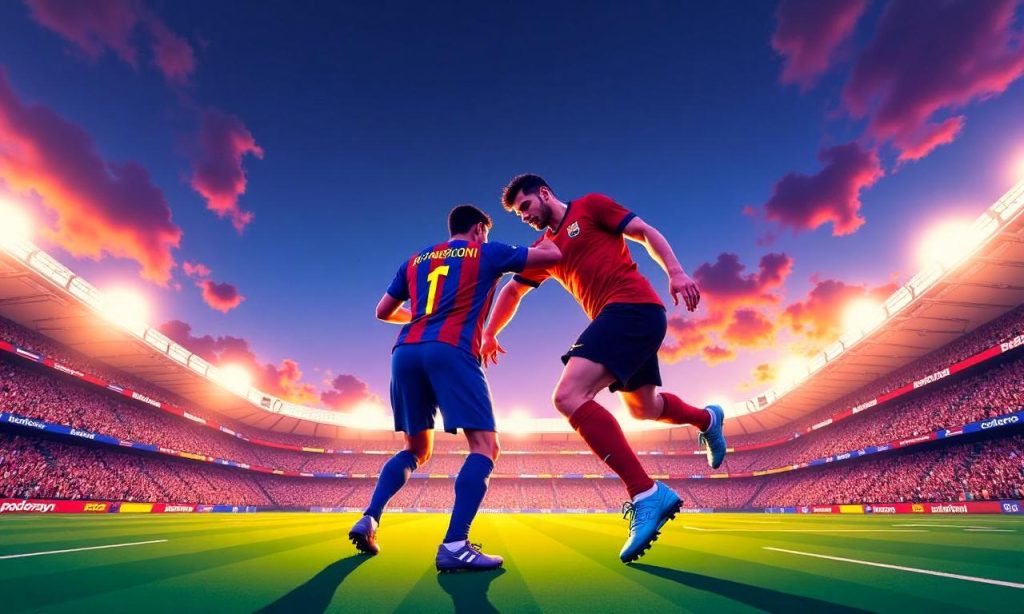
Paragraf pembuka artikel. The rivalry between RCD Espanyol and Barcelona is one of the most iconic and fiercely contested battles in Spanish football. While Barcelona is often seen as the dominant force in the La Liga and the heart of Catalan football, Espanyol has long held its own as a passionate and underdog team that challenges the giants of the sport. This RCD Espanyol – Barcelona feud is not just about trophies or league positions; it’s a cultural and emotional clash that reflects the identity of two cities, two regions, and two football philosophies. The matches between these two clubs have become rcd espanyol – barcelona classics, drawing massive crowds and generating intense rivalries that transcend the pitch. From historic confrontations to modern-day showdowns, the competition between these teams has shaped the narrative of Spanish football, making it a defining chapter in the sport’s history. Whether it’s the passionate chants of Espanyol fans in their home stadium or the roaring support of Barcelona supporters, this rivalry continues to captivate fans and analysts alike, proving that football in Spain is as much about passion as it is about performance.
Historical Roots of the Rivalry
The RCD Espanyol – Barcelona rivalry has deep historical roots, dating back to the early 20th century. While Barcelona was founded in 1899, Espanyol was established in 1900, just a year later, as a team representing the growing middle class of Madrid. This close temporal connection immediately set the stage for competition between the two clubs, especially as they both became dominant forces in early Spanish football. The rivalry was further intensified by their contrasting origins: Barcelona symbolized the progressive, artistic spirit of Catalonia, while Espanyol represented the burgeoning aspirations of Madrid’s working-class communities.
During the 1940s and 1950s, the two teams were fierce competitors in the La Liga. Espanyol’s victory in the 1946-47 season, which saw them clinch their first league title, marked a significant milestone in their history. However, Barcelona soon reclaimed dominance, with the 1950s and 1960s being a golden era for the Catalan giants. This period solidified Barcelona’s reputation as a powerhouse in Spanish football, while Espanyol remained a resilient team that occasionally challenged their supremacy. The rivalry also took on a political dimension during the Franco era, as Barcelona became a symbol of regional identity and Espanyol represented the nationalistic ambitions of Madrid.
The Emergence of the " rcde – barcelona " Narrative
The term rcd espanyol – barcelona began to gain traction in the late 20th century as the rivalry evolved into a more symbolic and cultural battle. The 1990s were a pivotal decade, with Barcelona under the leadership of Johan Cruyff and Pep Guardiola becoming one of the most successful clubs in Europe. Meanwhile, Espanyol struggled to maintain its competitive edge, often playing as underdogs against the mighty Catalan club. However, the 1998-99 season was a turning point for Espanyol, as they reached the La Liga title race and even faced Barcelona in the Supercopa de España final. This clash, which ended in a dramatic 1-0 victory for Barcelona, showcased the intensity of the rcd espanyol – barcelona rivalry and left a lasting impression on fans.
The 2000s saw Barcelona dominate the rcd espanyol – barcelona matchups, with the Catalan club winning the majority of their encounters. This period also marked the rise of Espanyol as a team with a strong fighting spirit, often described as ” Espanyol‘s never-say-die attitude.” Despite being outmatched in terms of resources and star power, Espanyol continued to challenge Barcelona with resilience and tactical discipline. The 2003-04 season, for example, saw Espanyol compete with Barcelona in the La Liga title race, earning respect from fans and critics alike.
Key Moments That Defined the Rivalry
Throughout the years, certain rcd espanyol – barcelona matches have become legendary, capturing the essence of the rivalry. One of the most memorable games took place in the 1998-99 season, when Espanyol reached the La Liga title race and faced Barcelona in the Supercopa de España final. Despite a hard-fought 1-0 loss to Barcelona, the match was hailed as a classic, with both teams displaying incredible passion and determination. This game is often cited as a rcd espanyol – barcelona highlight, showing how even when Espanyol falls short, their spirit shines through.
Another defining moment came in the 2014 Supercopa de España, where Espanyol and Barcelona faced off in a highly anticipated clash. The match, held at the Estadi Olímpic Lluís Companys, saw Espanyol take a 1-0 lead after a goal from Álvaro Negredo in the first half. Barcelona, however, responded with a stunning second-half comeback, scoring four goals in the final 20 minutes to win the title. This rcd espanyol – barcelona match exemplified the dramatic nature of their rivalry, with both teams giving their all to claim victory.
The 2018-19 Season: A Testament to Competitive Spirit
The 2018-19 rcd espanyol – barcelona clash was another standout moment in the history of this rivalry. In a match that ended in a 3-2 win for Barcelona, Espanyol’s performance was nothing short of heroic. The game was a testament to the underdog spirit of the blue-and-white team, as they matched Barcelona’s star power with relentless effort. Goals from players like Gerard Piqué and Lionel Messi were overshadowed by Espanyol’s determined display, which kept fans on the edge of their seats. This match reinforced the idea that the rcd espanyol – barcelona rivalry is not just about the result, but about the unyielding passion that both teams bring to the pitch.
The Cultural and Emotional Impact of the Rivalry
Beyond the scoreboard, the rcd espanyol – barcelona rivalry has left an indelible mark on Spanish football culture. It represents more than just competition; it embodies the conflicting identities of Catalonia and Madrid. Barcelona is often associated with the Catalan identity, its fans proudly wearing the club’s colors and singing songs in Catalan, while Espanyol supporters, primarily from Madrid, cheer for a team that symbolizes the capital’s ambition to claim its place among Spain’s footballing elite. This cultural divide is amplified during rcd espanyol – barcelona matches, where the atmosphere is charged with emotion and history.
The rivalry also has a deep-rooted emotional impact on fans. For Espanyol supporters, a victory over Barcelona is not just a win; it’s a statement of resilience and a celebration of their underdog status. The chants of “Espanyol, Espanyol, we will win against the giants!” echo through the stands, reflecting the heartfelt pride that the team inspires. Conversely, Barcelona fans view each match against Espanyol as a test of their club’s dominance and a chance to prove their superiority. The rcd espanyol – barcelona rivalry has thus become a microcosm of the broader Catalan-Madrid divide, with every game acting as a theatrical battle between the two regions.
The Rivalry in the Media and Popular Culture
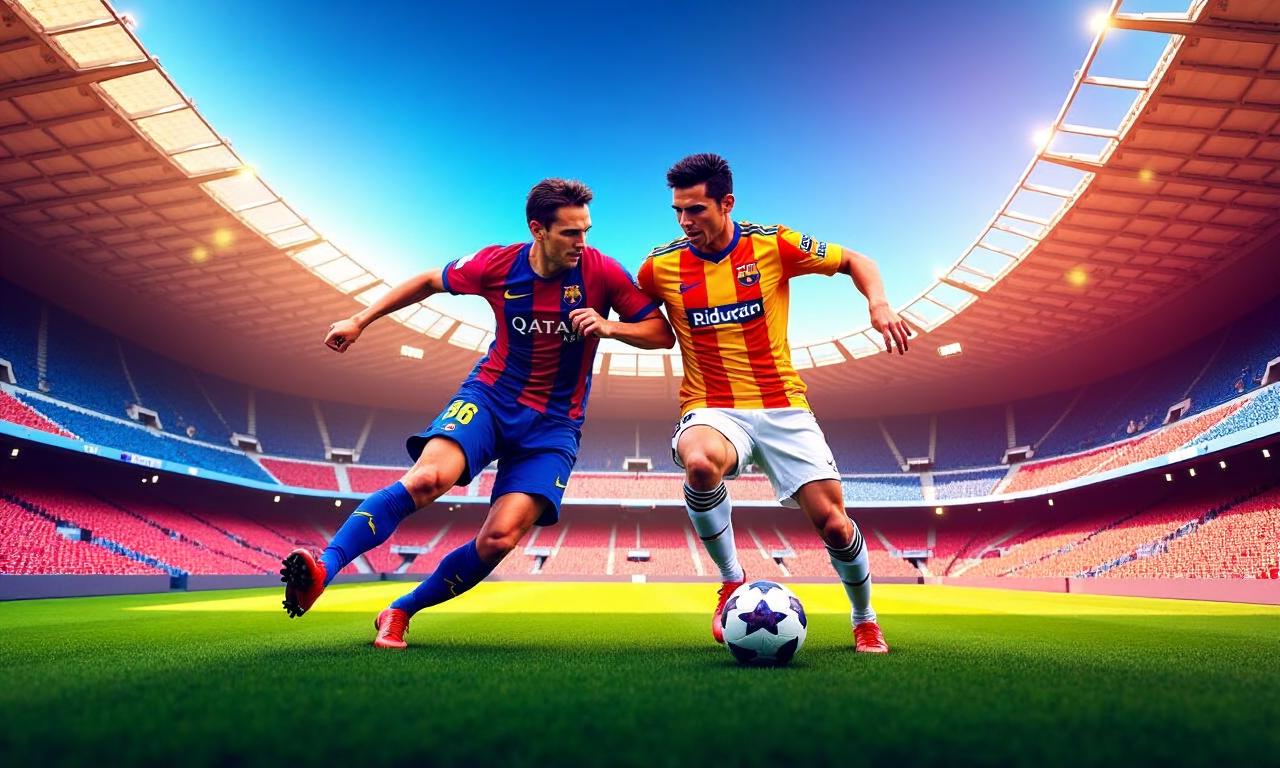
The rcd espanyol – barcelona rivalry has also captured the imagination of the media and popular culture. From sports documentaries to film adaptations, the clash between these two teams has been portrayed as a symbol of cultural pride and footballing passion. In recent years, social media has amplified this dynamic, with fans from both sides engaging in heated debates and emotional celebrations after each match. The media coverage of rcd espanyol – barcelona games is often more intense than that of other rivalries, highlighting the symbolic significance of the matchup.
Moreover, the rivalry has inspired numerous literary works and songs, with artists and writers drawing parallels between the footballing battle and the broader conflict between Catalan and Madrid identities. This cultural resonance ensures that the rcd espanyol – barcelona rivalry remains relevant and impactful, even as the teams evolve in their strategies and rosters. The memorable moments of this rivalry continue to be celebrated in football history, reinforcing its status as one of the most defining rcd espanyol – barcelona encounters in Spanish football.
The Modern Dynamics of the Rivalry
In recent years, the rcd espanyol – barcelona rivalry has taken on new dimensions as both teams adapt to the changing landscape of Spanish football. While Barcelona has remained a dominant force in the La Liga, with its historic tiki-taka style of play and star-studded squad, Espanyol has made strides to compete on equal footing. The 2020-21 season saw Espanyol nearly securing a top-four finish in the La Liga, a feat that highlighted their growing competitiveness against Barcelona. This resurgence has reignited the long-standing rivalry, with fans eager to see how the two teams will continue to challenge each other.
Tactical and Strategic Evolution
The modern rcd espanyol – barcelona rivalry is also shaped by tactical and strategic evolution. While Barcelona has traditionally prioritized possession and control, Espanyol has adopted a more dynamic and attacking approach in recent seasons. This shift has led to more thrilling and unpredictable matches, with Espanyol often catching Barcelona off guard in key moments. The integration of new players and coaching strategies has further complicated the rivalry, making each encounter more competitive and unpredictable.
The Impact of Player Rosters and Financial Power
Despite Barcelona’s financial power and star power, the rcd espanyol – barcelona rivalry has shown that even underdogs can make a mark. Espanyol‘s ability to attract and develop talent has challenged the status quo, with players like Míchel, Alvaro Vadillo, and Pedro Obregón representing the team’s growing strength. Meanwhile, Barcelona continues to dominate the headlines with its world-class signings and high-profile matches. The balance of power in this rivalry remains a topic of debate, with fans and analysts speculating about future clashes.
The Future of the Rivalry
As the rcd espanyol – barcelona rivalry moves into the future, it is clear that both teams will continue to play a crucial role in shaping the narrative of Spanish football. Espanyol has shown a remarkable ability to adapt and compete with the giants of the league, while Barcelona remains committed to its legacy of excellence. The next chapter of this rivalry will be shaped by new players, evolving strategies, and the ever-present cultural significance of the match.
Emerging Stars and Rivalry Revival
The rise of emerging stars in both teams has renewed the excitement around the rcd espanyol – barcelona rivalry. Players like David Villa, who once played for Espanyol before joining Barcelona, have added a personal dimension to the clash. Additionally, young talents from Espanyol’s academy have begun to make their mark, giving fans hope for a more balanced rivalry. These new faces inject fresh energy into the competition, making each encounter more compelling and emotionally charged.
The Legacy of the Rivalry
Despite the changing dynamics of the rcd espanyol – barcelona rivalry, its legacy as a defining chapter in Spanish football remains unshakable. From the early clashes in the 20th century to modern-day showdowns, the rivalry has *fostered a sense
