
Ligue 1: Complete Guide to France’s Top Football League
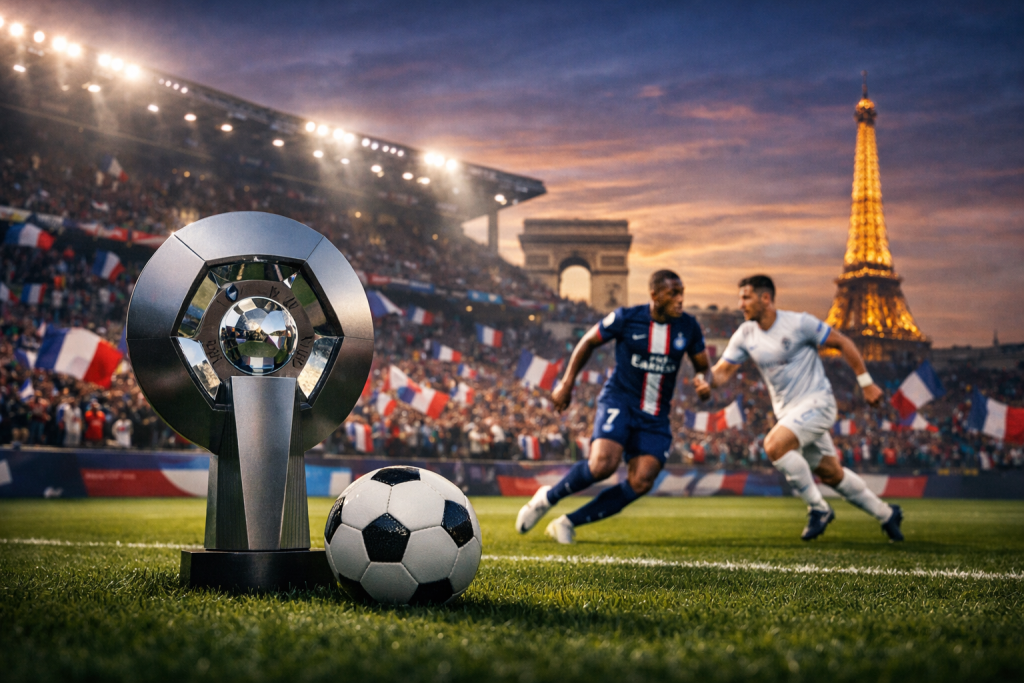
If you want to understand ligue 1 quickly and properly, this guide covers what it is, how it works, why it matters in world football, and what makes it different from other major European leagues. Ligue 1 is France’s top professional football division, known for producing elite talent, intense rivalries, and a tactical style that blends athleticism with technical development. It is also one of Europe’s most influential leagues in shaping the modern transfer market.
For new fans, ligue 1 can feel underrated compared to the Premier League or La Liga. In reality, it plays a unique role: it is both a high-level competition and a talent pipeline that constantly feeds Europe’s biggest clubs. This is why following Ligue 1 gives you an early look at the next global stars.
What Is Ligue 1 and Why It Matters
Ligue 1 is the highest tier of French club football, organized under the Ligue de Football Professionnel (LFP). It sits above Ligue 2 and below European competitions like the UEFA Champions League and Europa League. Each season, clubs compete for the national title, European qualification spots, and survival from relegation.
The league matters because France is one of the strongest football nations in the world, both at club and national team level. Ligue 1 has been central to the development of French players who later become international icons. Even when French clubs sell top talent abroad, the league remains influential due to its scouting, training, and player development systems.
In modern football, ligue 1 is also one of the most important “producer leagues.” Many clubs focus on developing young players and selling them at peak value. This shapes the style of the league: fast, physical, and tactically disciplined.
Ligue 1 Format: Teams, Points, and Season Structure
Ligue 1 is typically contested by 18 clubs (the current standard format). Each team plays every other team twice: once at home and once away. That creates a full season of league matches where consistency matters more than short-term form.
The points system is the standard used across Europe: 3 points for a win, 1 for a draw, and 0 for a loss. The team with the most points at the end of the season becomes champion. If teams finish level on points, tie-breakers such as goal difference and goals scored are used.
Relegation is a major part of the drama in ligue 1. The lowest teams are relegated to Ligue 2, while top Ligue 2 clubs are promoted. This creates high-stakes matches throughout the season, not just at the top of the table.
European qualification also shapes the competition. Ligue 1 clubs can qualify for the UEFA Champions League and other European tournaments depending on final league positions and domestic cup results. This is one reason the race for 2nd, 3rd, and 4th place is often as intense as the title race.
The Biggest Clubs and Rivalries in Ligue 1
When people think of ligue 1, the first club that comes to mind is usually Paris Saint-Germain (PSG). PSG has dominated much of the modern era due to financial power, global branding, and star recruitment. However, Ligue 1 is not only PSG, and the league becomes more interesting when you understand the wider club ecosystem.
Historically, clubs like Olympique de Marseille, AS Saint-Étienne, and Olympique Lyonnais have played major roles in French football. Marseille remains one of the most culturally important clubs in the country, with a massive fanbase and a history that includes European success. Lyon became famous for its dominance in the 2000s, winning multiple consecutive league titles.
Other clubs such as AS Monaco, LOSC Lille, and OGC Nice often compete at the top, depending on recruitment cycles and financial strategy. Monaco in particular is known for developing young players and selling them to elite clubs worldwide.
Rivalries are a core part of ligue 1 identity. The most famous is Le Classique (PSG vs Marseille), which carries cultural and political undertones beyond football. Another major rivalry is the Derby Rhône-Alpes (Lyon vs Saint-Étienne), rooted in regional pride and decades of history. These matches define the emotional side of the league and create some of the most intense atmospheres in European football.
Playing Style and Tactical Identity of Ligue 1
Ligue 1 has a distinct playing style compared to other top European leagues. It is often characterized by athletic intensity, structured defending, and explosive transitions. Matches can be physical, but that physicality is not random; it is connected to tactical discipline and high pressing systems.
French football culture places strong emphasis on player development and coaching education. Many clubs invest heavily in training centers, scouting networks, and youth teams. As a result, ligue 1 produces players who are tactically aware at a young age and capable of adapting quickly to different leagues.
The league also has a reputation for developing elite defenders, defensive midfielders, and versatile attackers. The tactical environment often rewards players who can handle pressure, win duels, and execute quick counter-attacks. This is one reason Ligue 1 talent translates well to the Premier League and Bundesliga.

At the same time, Ligue 1 is not purely defensive. Teams like PSG, Monaco, and others have played highly attacking football in different seasons. The league’s real identity is balance: compact defending combined with sharp attacking moments.
Youth Development, Transfers, and Why Ligue 1 Produces Stars
One of the strongest reasons to follow ligue 1 is its role as a star factory. France has one of the most respected football development systems in the world, supported by strong academies and national training infrastructure. Many Ligue 1 clubs treat youth development as a core business model, not just a sporting philosophy.
Clubs such as Lyon, Rennes, Monaco, and Lille have built reputations for producing top-level players. They identify talent early, develop them through competitive first-team football, and then sell them to larger clubs domestically or abroad. This is not a weakness; it is part of how these clubs stay financially stable while remaining competitive.
The transfer market impact of ligue 1 is massive. Many of the biggest transfers in European football involve players who first broke through in France. Ligue 1 often provides young players with real minutes earlier than other leagues, which accelerates development.
This dynamic also keeps the league fresh. Every season introduces new breakout players, new tactical ideas, and new teams rising unexpectedly. Even if star players leave, the league remains a constant pipeline of emerging talent.
How to Watch and Follow Ligue 1 Like a Real Fan
Following ligue 1 becomes much easier when you know what to track beyond the table. The title race is important, but so are the battles for European places and relegation survival. These storylines create tension across the entire league.
To follow Ligue 1 properly, focus on a few practical elements. First, track the top clubs, but also watch the teams known for youth development. These clubs often produce the most exciting matches and the most interesting players. Second, pay attention to coaching changes, because Ligue 1 tactics can shift dramatically based on managerial philosophy.
It also helps to understand the league’s rhythm. Ligue 1 seasons often feature strong mid-table teams that can defeat anyone on their day, especially at home. Away matches can be difficult due to travel, atmosphere, and tactical setups that prioritize defensive solidity.
Finally, do not judge ligue 1 only by global marketing. The league is not built around constant superstar retention like the Premier League. It is built around competitiveness, development, and tactical intensity, which makes it rewarding for fans who enjoy football beyond highlights.
Conclusion
Ligue 1 is France’s top football league and one of Europe’s most important competitions for developing elite players, shaping modern tactics, and feeding the global transfer market. With its mix of historic clubs, fierce rivalries, physical intensity, and constant emergence of young talent, ligue 1 offers a deeper football experience than its reputation suggests.
FAQ
Q: What is ligue 1 and how does it work? A: Ligue 1 is the top division of French professional football where clubs compete in a season-long points system, with the champion determined by the highest total points.
Q: How many teams play in ligue 1? A: Ligue 1 currently features 18 teams, each playing home and away matches against every other club.
Q: Why is ligue 1 famous for young talent? A: Ligue 1 clubs invest heavily in academies and often give young players first-team minutes earlier than many other European leagues.
Q: What is the biggest rivalry in ligue 1? A: The most famous rivalry is PSG vs Marseille, known as Le Classique, due to its cultural and historical significance.
Q: Is ligue 1 considered a top European league? A: Yes, Ligue 1 is widely recognized as one of Europe’s major leagues and regularly qualifies clubs for the UEFA Champions League and other competitions.
