
Inside Ligue 1: Uncovering the Top Teams and Star Players
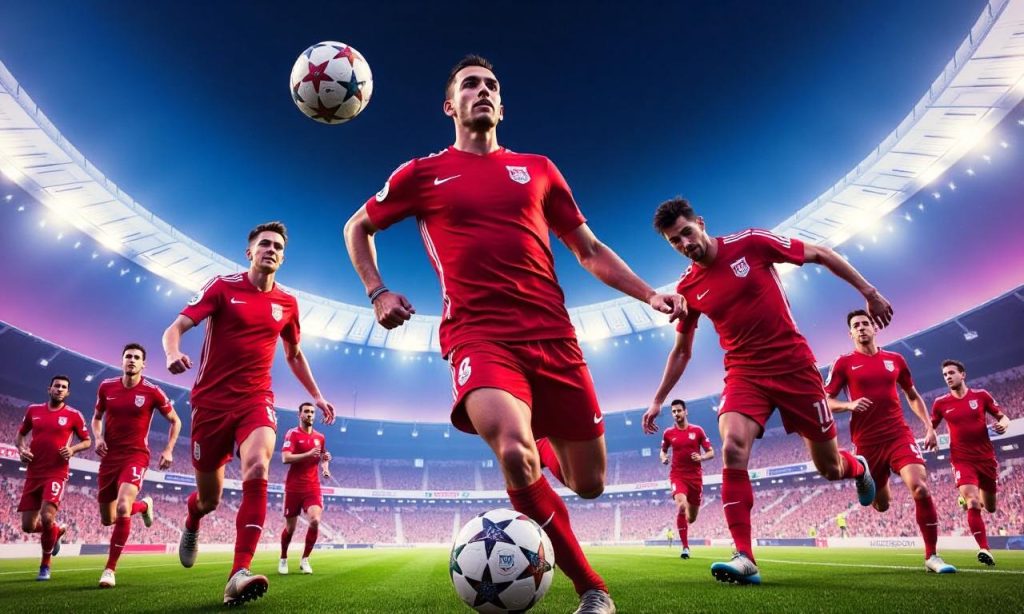
Ligue 1, the top-tier football league in France, has long been a focal point for football enthusiasts worldwide. As one of the most competitive leagues in Europe, ligue 1 attracts a blend of seasoned legends and emerging talents, creating a dynamic and thrilling environment. With its rich history, iconic stadiums, and passionate fans, the league has evolved into a hub for innovation and excellence. From the fast-paced matches in Paris to the tactical brilliance in Marseille, ligue 1 continues to shape the future of football. This article delves into the inner workings of the league, exploring the dominant teams, standout players, and the factors that make ligue 1 a must-watch for global audiences. Whether you’re a die-hard supporter or a casual fan, understanding the league’s landscape offers insight into the world’s most exciting football battles.
The Evolution of Ligue 1
Since its inception in 1932, ligue 1 has undergone significant transformations. Originally known as the Division 1, the league has maintained its status as the premier competition in France, consistently producing top-tier football. The early years saw clubs like Olympique Lyonnais and AS Saint-Étienne dominating the scene, but over time, the league expanded its reach and competitiveness. The introduction of the “top 3” rule in 2002, which allowed the top three teams to qualify for European competitions, marked a turning point. This change elevated the stakes for every match, pushing teams to perform at their peak throughout the season.
The league’s structure has also adapted to modern demands. With the inclusion of clubs from across France, ligue 1 now features a diverse range of playing styles and strategies. The rise of financial powerhouses like PSG and Monaco has introduced a new era of investment in talent, while smaller clubs like Lens and Rennes strive to compete on equal footing. This balance between big spenders and budget-conscious teams keeps the competition unpredictable. Moreover, the league’s broadcasting deals and global partnerships have ensured that its matches are accessible to fans in every corner of the world.
Dominant Teams in Ligue 1
While ligue 1 is known for its unpredictability, certain teams have consistently risen to the top. Paris Saint-Germain (PSG) has been the standout club in recent years, boasting a roster of world-class players and a financial backing that allows them to secure the best talents. Under the leadership of Qatar Sports Investments, PSG has transformed into a powerhouse, winning multiple titles and challenging the dominance of traditional giants like Marseille and Lyon. However, the competition remains fierce, with other teams like Lyon, Marseille, and Olympique de Marseille still vying for supremacy. Lyon, in particular, has been a long-standing rival to PSG. Known for their tactical discipline and strong youth academy, Lyon has won the ligue 1 title multiple times, showcasing their ability to sustain success over the years. Meanwhile, Marseille, with its storied history and passionate fanbase, continues to be a formidable force. The club’s ability to blend experienced players with young prospects has kept them competitive despite the influx of financial power in the league. Other teams like Bordeaux, Nancy, and Lille have also made their mark, proving that even clubs outside the traditional elite can challenge for glory.
The Impact of Financial Powerhouses
The financial influence of clubs like PSG and Monaco has reshaped the dynamics of ligue 1. These teams can afford to sign high-profile players, which often gives them an edge in the competition. For example, PSG’s acquisition of stars such as Neymar, Mbappé, and Haaland has allowed them to dominate both domestically and internationally. However, this financial power can sometimes lead to criticism, as it may reduce the league’s competitiveness. On the other hand, smaller clubs like Lens or Toulouse often rely on local talent and strategic transfers to stay afloat, creating a unique balance in the league. The competition in <strong>ligue 1</strong> is not just about star power; it's also about how teams manage their resources and develop young players. Clubs like Lyon and Monaco have demonstrated that investing in youth can yield significant returns, with players like Kylian Mbappé and Antoine Griezmann rising through the ranks. This approach has helped maintain the league’s reputation for producing world-class talent. Additionally, the financial power of clubs like PSG has led to a new era of aggressive transfers, where players are often signed for record fees, further intensifying the rivalry and excitement in ligue 1.
Star Players Shaping the League
Ligue 1 is home to some of the most influential players in world football. From the electrifying pace of Mbappé to the tactical intelligence of Antoine Griezmann, the league has consistently produced stars who make headlines globally. These players not only elevate their teams’ performance but also drive the league’s international appeal. Their ability to perform under pressure and deliver match-winning moments has made ligue 1 a stage for legends in the making.
One of the most iconic figures in ligue 1 is Zinedine Zidane, whose legacy as a player and manager continues to inspire. His time with Real Madrid and France national team made him a household name, but his influence on ligue 1 is still felt through the players he has mentored. Another standout is Patrick Vieira, who rose to fame with Arsenal and later with Paris Saint-Germain, showcasing the league’s ability to nurture talent. More recently, players like Kevin Garnier and Luka Modrić have further solidified ligue 1‘s reputation as a breeding ground for footballing excellence.
Emerging Talents in the League
While established stars dominate the spotlight, ligue 1 also serves as a launchpad for emerging talents. Clubs like Lyon and Rennes have been particularly successful in developing young players who later thrive in Europe. For instance, Hugo Lloris and Benoit Poussen were discovered in ligue 1 and went on to become key figures in their respective clubs. Similarly, the rise of Julien Faubert and Kevin Danso highlights the league’s ability to produce consistent, high-quality talent. The development of young players is a critical factor in the league's ongoing success. With the support of modern training facilities and experienced coaches, ligue 1 has created an environment where youth can flourish. This focus on development not only benefits individual players but also strengthens the league’s overall competitiveness. As a result, fans can expect to see more homegrown stars taking center stage in the future.

The Future of Ligue 1
As ligue 1 continues to evolve, its future looks promising. The league has embraced technological advancements, from data analytics to video-based training, ensuring that teams can stay ahead of the competition. These innovations have allowed coaches to refine strategies and players to improve performance, making ligue 1 one of the most advanced football leagues in the world. Moreover, the league’s commitment to sustainability and inclusivity has attracted new fans and sponsors, further enhancing its global reach.
The influx of international players has also enriched the league’s playing style. With players from Africa, Asia, and the Americas joining French clubs, ligue 1 has become a melting pot of cultures and tactics. This diversity has led to more exciting matches and a broader fanbase, as supporters from different backgrounds appreciate the variety in play. Additionally, the league’s partnerships with international broadcasters have ensured that its matches are streamed to millions, keeping ligue 1 relevant in the digital age.
The Challenge of Maintaining Balance
Despite its successes, ligue 1 faces challenges in maintaining balance. The financial disparity between clubs has led to concerns about the league’s competitiveness. While PSG and Monaco can afford the best players, smaller clubs often struggle to secure top talent. This imbalance has sparked debates about the future of the league and whether it can retain its identity as a fair and exciting competition. However, the league has taken steps to address these issues. The introduction of financial regulations and the promotion of youth development has helped level the playing field. Additionally, the rise of clubs like Rennes and Lens has shown that even with limited resources, teams can still compete and succeed. As ligue 1 continues to adapt, it remains a league that values both tradition and innovation, ensuring that it stays at the forefront of European football.
The Global Influence of Ligue 1
Ligue 1 has not only transformed domestic football but has also made a significant impact on the global stage. The league’s growing popularity is evident in the number of international transfers and the presence of French clubs in European competitions. Paris Saint-Germain’s dominance in the Champions League and Ligue 1 has brought French football into the spotlight, with fans from around the world tuning in to watch their matches.
The global influence of ligue 1 extends beyond the pitch. French football culture, with its emphasis on flair, creativity, and attacking play, has inspired players and coaches worldwide. The league’s events, such as the Ligue 1 awards and the Champions League qualifiers, are followed by millions, showcasing the league’s ability to generate interest beyond its borders. Moreover, the league’s collaborations with international brands have enhanced its visibility, making it a key player in the global football market.
The Role of Media and Technology
The integration of media and technology has played a crucial role in ligue 1‘s global reach. With the rise of digital platforms, fans can now watch live matches, access in-depth analysis, and engage with the league’s content in real-time. This has not only increased viewership but also created a more interactive fan experience. The use of social media has further amplified the league's presence. Clubs and players actively engage with fans through platforms like Instagram and Twitter, sharing behind-the-scenes content and personal stories. This connection helps build a loyal fanbase and ensures that ligue 1 remains a topic of conversation worldwide. As technology continues to advance, the league is well-positioned to maintain its relevance and attract even more global attention.
Conclusion
In conclusion, ligue 1 is a league that thrives on competition, innovation, and tradition. From its historic roots to its modern-day challenges, the league has continuously adapted to stay at the forefront of European football. The presence of dominant teams like PSG and Lyon, alongside emerging talents and global stars, ensures that every season is filled with excitement and unpredictability. Additionally, the league’s embrace of technology and media has expanded its reach, making it a must-watch for fans across the globe. As ligue 1 continues to evolve, it remains a testament to the power of football to unite and inspire, proving that the competition is far from over.
