
Belarus passes bill to crack down on LGBTQ+ rights echoing similar law in Russia
Belarus passes bill to crack down on LGBTQ+ rights echoing similar law in Russia
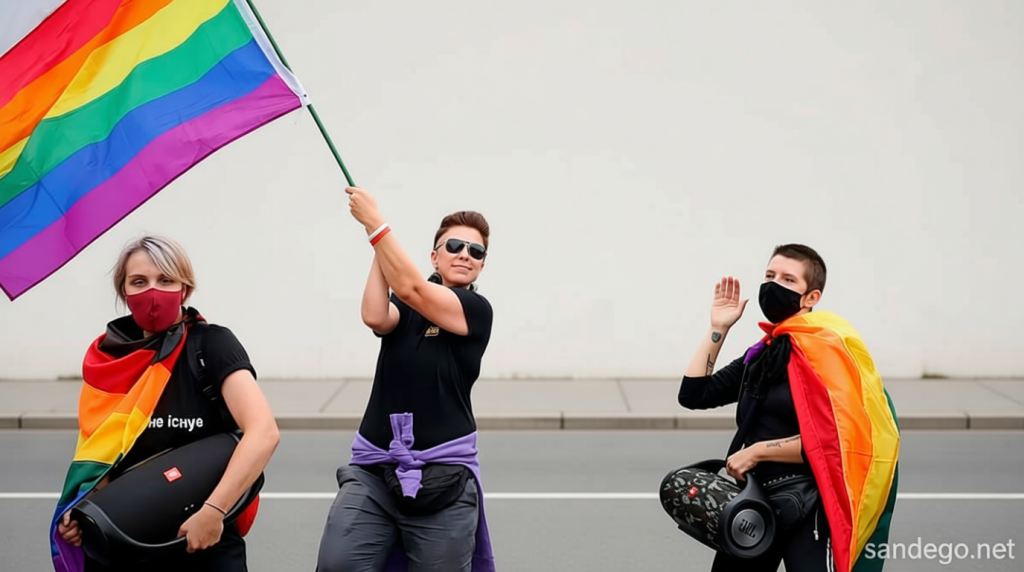
On Thursday, Belarus’s parliament approved a new law aimed at penalizing individuals who advocate for LGBTQ+ causes, mirroring Russia’s restrictive measures. The upper chamber ratified the legislation after it was previously passed by the lower house last month, with President Aliaksandr Lukashenka set to sign it into law shortly.
The proposed law targets actions such as promoting homosexual relationships, gender identity changes, reluctance to have children, and paedophilia. Offenders could face fines, mandatory community service, or up to 15 days in detention. Despite decriminalizing homosexuality in 1994 following the Soviet Union’s collapse, Belarus has not recognized same-sex marriages or established protections for LGBTQ+ rights.
Lukashenka, who has governed the nation of 9.5 million people for over three decades, has openly ridiculed homosexuality. The country has faced repeated sanctions from Western nations for its human rights violations and for enabling Russia’s use of its territory during the 2022 invasion of Ukraine.
Recent actions include the closure of LGBTQ+ organizations and frequent raids on nightclubs to disrupt private gay gatherings. The KGB, still operating under its Soviet-era name, has reportedly used blackmail to coerce members of the community into compliance. “Even before this law, LGBTQ+ individuals endured beatings, arrests, and mockery,” stated Alisa Sarmant, leader of TG House, a Belarusian group supporting transgender rights. “Now, law enforcement has a legal basis to escalate these repressions.”
“The Belarusian authorities have grouped gays, lesbians, transgender people, and paedophiles together, providing new reasons for social exclusion and stigma,” Sarmant added. “This mirrors Russia’s oppressive experience, making life harder for LGBTQ+ people.”
TG House has reported at least 12 instances of persecution in the past three months, including a police raid in Minsk during a private gay event last month. The legislation has heightened fears among transgender individuals that they might lose access to essential medications. The group has received hundreds of requests for mental health support and assistance in relocating abroad.
Russia, too, has enacted harsh laws limiting LGBTQ+ rights. Changing gender on official documents, gender-affirming care, and public displays of gay or transgender identities are all banned. The movement has been labeled extremist, with members facing up to six years in prison for their activities.
