American Landscapes Face Unprecedented Summer Congestion
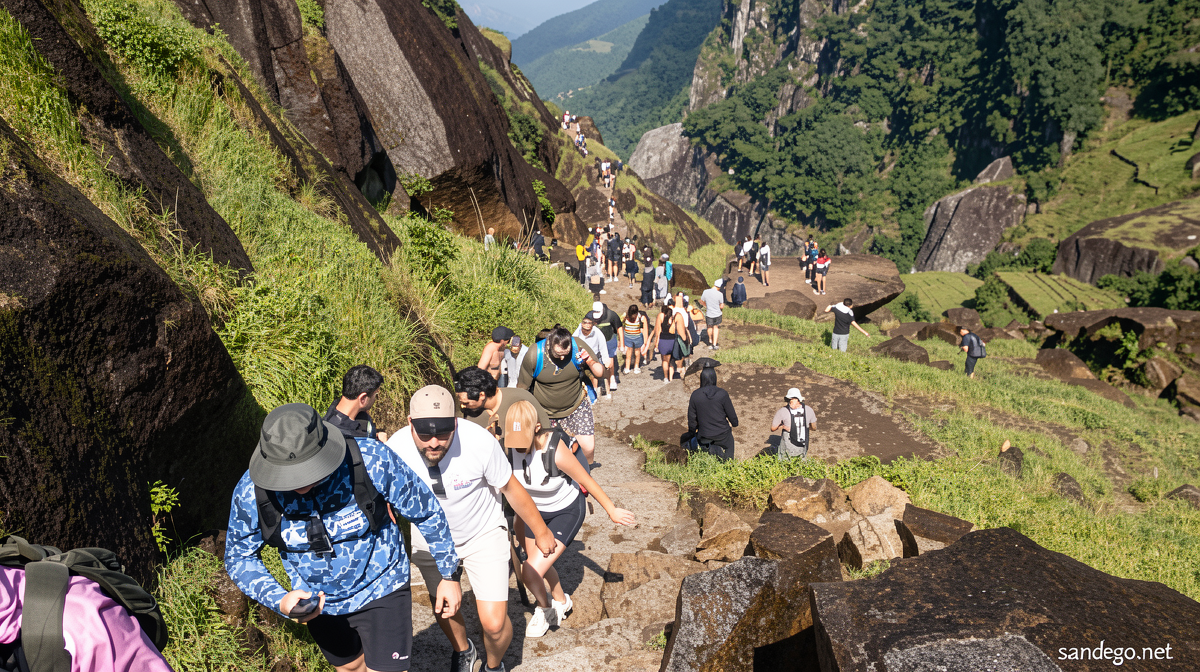
Sandego.net – Travelers are encountering unprecedented congestion across the United States’ most beloved landscapes. This summer season appears poised to surpass previous milestones, following a trend that began last year when twenty-six distinct locations achieved historic attendance figures. The influx of visitors has created bottlenecks that rival major metropolitan traffic patterns, testing the limits of park infrastructure and services.
Gridlock from Utah to California
Marti Pawlikowski traveled from Lancaster, Pennsylvania, on a Road Scholar excursion to witness the phenomenon firsthand. She noted a forty-five-minute delay just navigating the entrance to Zion National Park. Once inside the Utah destination, the congestion persisted rather than dissipating. Comparing the shuttle queues to the theme parks of Orlando, she highlighted the similarity in frustration levels among families and tourists alike.
Meanwhile, the massive ecosystem spanning Wyoming, Montana, and Idaho posted fresh records during May. Yellowstone National Park drivers faced saturated parking areas and significant travel times within the park boundaries. California’s Yosemite National Park experienced similar pressures after discontinuing its reservation requirements earlier in the year. Late April visitors encountered gridlock conditions that brought movement to a halt.
“The traffic reminded me of L.A. at rush hour,” said Walter Meyer of Sacramento, California, who visited Yosemite in late April only to discover that every trailhead parking lot he tried was already full.
Meyer found every trailhead completely occupied upon his arrival. Inside a local retail outlet, he spoke with an exhausted staff member who predicted even worse conditions ahead. She expressed concern about the upcoming month, noting that current levels were merely a preview of the peak season.
The 250th Anniversary Effect
The bicentennial-plus celebrations are intensifying the situation significantly. Historical reenactments and community festivals are drawing additional attention to specific sites. Some venues filled up well before the season started, leaving spontaneous travelers scrambling for accommodations. Michele Treacy traveled from Kinnelon, New Jersey, specifically for Independence Day. She had secured a campsite but missed out on the main fireworks viewing lottery at Mount Rushmore National Memorial.
“We were kind of blindsided by that,” she said. “All six of us put in for the lottery, and none of us got tickets.”
Her group watched the spectacle from a small deck alongside seventy-five others. The gift shop was densely packed with shoppers. Treacy mentioned the absence of special commemorative shirts despite the hype surrounding the anniversary. The presence of President Trump added excitement but also security protocols and traffic bottlenecks on local two-lane highways.
“The fact that the president was there added a whole other layer of excitement,” she said.
Industry Adaptation and Structural Challenges
Tourism businesses are adapting quickly to meet the demand. Backroads increased its tour capacity by twelve percent to accommodate more guests. Specific destinations like Death Valley and the Great Smoky Mountains saw booking increases of up to sixty percent compared to the prior year. However, this booming visitation comes at a moment of crisis for the National Park Service.
The agency has shed approximately a quarter of its permanent workforce since 2025. This reduction coincides with substantial budget reductions initiated by the Trump administration, leading to twenty-four billion dollars in postponed maintenance work. Although recent legislative efforts softened some proposed cuts for 2027, the total budget still declined by one point three percent. Additionally, resources are being redirected toward presidential renovation initiatives, including improvements at the White House.
“It’s a really challenging time for people who work for the Park Service,” said Cassidy Jones, a former park ranger and the NPCA’s senior visitation program manager.
Cassidy Jones, representing the National Parks Conservation Association (established in 1919), emphasized the difficulty for employees. While officials claim removing reservations improves access, critics argue this ignores the strain on infrastructure. The combination of record numbers and reduced resources creates a complex environment for both staff and visitors as the summer continues.