
Stopping weight loss jabs can lead to rapid weight regain in one year, study suggests
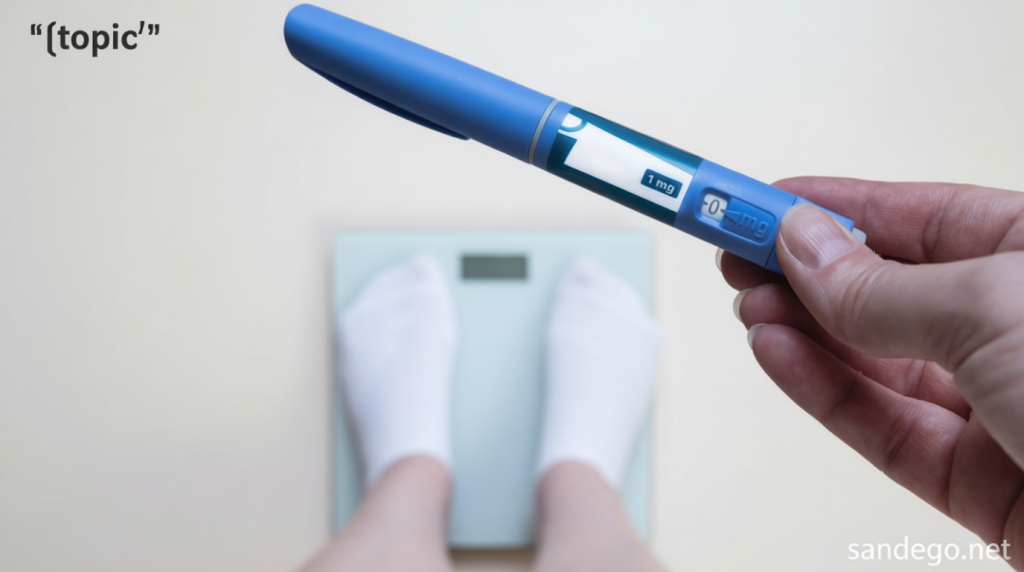
Study Indicates Rapid Weight Regain After Discontinuing Obesity-Targeted Injections
A new study highlights that individuals receiving obesity-targeted injections may experience substantial weight gain within a year of ceasing the medication, according to researchers. The findings suggest that the majority of lost weight is typically regained after stopping the treatment.
According to the University of Cambridge research, participants who discontinued the injections for 52 weeks saw an average recovery of 60% of their lost weight. The study, published in eClinicalMedicine, emphasizes the potential for significant weight gain following the end of treatment. However, it also notes that weight regain may stabilize, with 75% of the original loss retained by 60 weeks, implying that 25% could be sustained long-term.
GLP-1 receptor agonists, the drug class used in these injections, function by replicating the effects of GLP-1, a hormone involved in blood sugar regulation and insulin management. Initially developed for type 2 diabetes, certain variants like semaglutide (Wegovy) and tirzepatide (Mounjaro) are now approved for obesity management on the NHS. Their application extends beyond weight loss, as a separate US study involving over 600,000 veterans with type 2 diabetes indicates they may also aid in preventing and treating addictions to substances such as alcohol, cannabis, cocaine, nicotine, and opioids.
Experts Highlight Brain’s Role in Weight Loss Effects
Scientists suggest that the drugs’ impact on the brain’s reward system reduces cravings, offering benefits not only for weight loss but also for substance misuse prevention. The Cambridge study, which included six trials with more than 3,200 participants, underscores that “there is significant weight gain following cessation” of these treatments.
“Our projections indicate that although most weight is regained, a portion of the loss may persist. However, the extent to which lean mass is retained remains unclear,” stated Brajan Budini, a medical student at the University of Cambridge’s School of Clinical Medicine.
The US research, published in the British Medical Journal, tracked veterans for up to three years. It found that those without prior substance abuse had a 14% lower risk of developing disorders after initiating the injections. Additionally, individuals already struggling with addiction saw a 31% reduction in emergency department visits, hospital admissions, and mortality linked to substance misuse.
Among the substances, the study noted a 25% decrease in opioid-related issues, an 18% reduction in alcohol misuse, and a 20% decline in cocaine and nicotine dependence. While the research focused on older men, similar outcomes were observed in women. Researchers urge further exploration of how these injections influence weight composition during and after treatment.
