
Meta and YouTube found liable in landmark social media trial
Meta and YouTube Found Liable in Landmark Social Media Trial
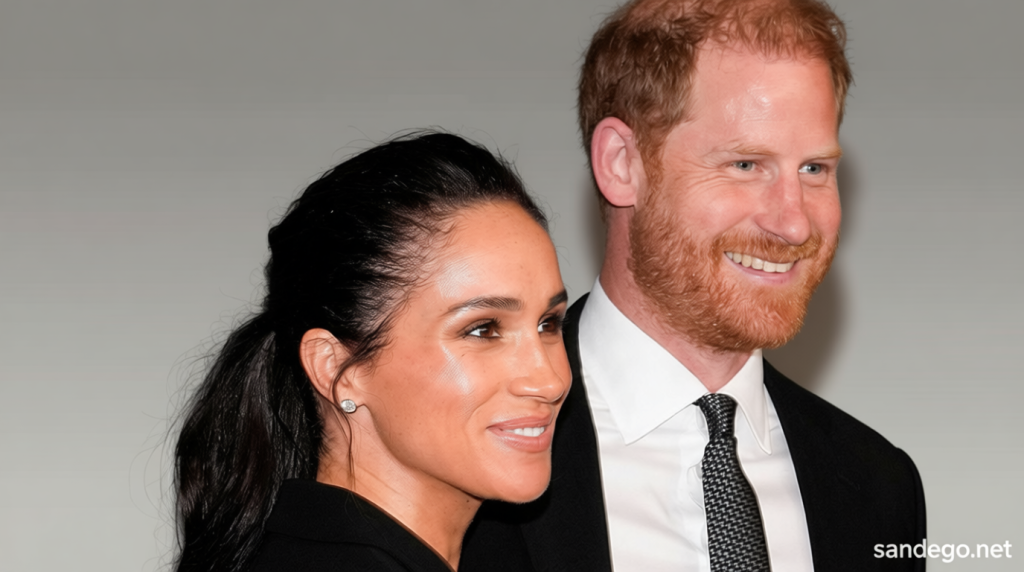
In a significant legal development, the Duke and Duchess of Sussex remarked that “the door has been opened” for additional lawsuits targeting tech corporations, following a ruling that held Google and Meta accountable for a woman’s social media dependency. The decision, reached by a jury in Los Angeles, assigned responsibility to Instagram—owned by Meta—and YouTube—owned by Google—for the damage inflicted on a 20-year-old plaintiff, awarding her $6 million in compensation.
Both Meta and Google have expressed their disagreement with the verdict, indicating plans to challenge the ruling in an appeal. However, legal analysts regard this outcome as a pivotal precedent, likely to shape numerous upcoming cases against social media platforms for their role in fostering addictive user experiences.
A Message of Accountability
“Accountability has finally arrived,” stated the Duke and Duchess, emphasizing that the question is no longer whether social media companies must adapt, but when and how swiftly they will do so.
They described the ruling as a “landmark” victory, underscoring its importance for families, advocates, and young individuals. “Justice has finally reached Big Tech,” they added, highlighting that the case revealed how product design, not parenting, contributes to the harm caused by digital platforms.
The verdict, the result of over 40 hours of deliberation across nine days, concluded that Meta and YouTube were negligent in their platform operations. The jury determined that each company’s actions were a major factor in the plaintiff’s distress. Kaley, the plaintiff, who remains anonymous, alleges that her mental health deteriorated due to prolonged social media engagement starting in childhood.
Kaley’s legal team argued that the platforms were designed to ensnare users. “How do you make a child never stop holding the phone? That’s the engineering of addiction,” her lawyer, Mark Lanier, told the jury. He likened the features to “Trojan horses” that appear beneficial but ultimately dominate users’ attention.
Testimonies and Defenses
During the trial, Meta’s CEO Mark Zuckerberg appeared before the jury, asserting that his platforms were created to positively impact users’ lives. “What we do […] is a positive force in their lives,” he stated, aiming to counter the notion of intentional harm.
Instagram’s Adam Mosseri testified that there’s no scientific proof linking social media to addiction. He drew a distinction between clinical addiction and “problematic use,” suggesting that the plaintiff’s 16-hour daily Instagram engagement was an example of the latter.
YouTube’s legal team contested the case’s relevance, claiming the platform doesn’t qualify as social media. They noted the plaintiff described losing interest in YouTube as she aged. “Can someone in addiction just say, ‘Yeah, I kinda lost interest’?” asked YouTube’s lawyer Luis Li, highlighting the debate over the platform’s role.
Meta also argued that the plaintiff’s mental health challenges stemmed from her childhood, with no therapist attributing her issues to social media. Despite this, the trial marks the first in a series of major cases against Instagram, YouTube, TikTok, and Snap, with over 1,600 plaintiffs—including 350 families and 250 school districts—alleging that addictive product designs have negatively affected young users.
