Some Janet Mills Backers Want Her to Resume Her Maine Senate Campaign Against Graham Platner
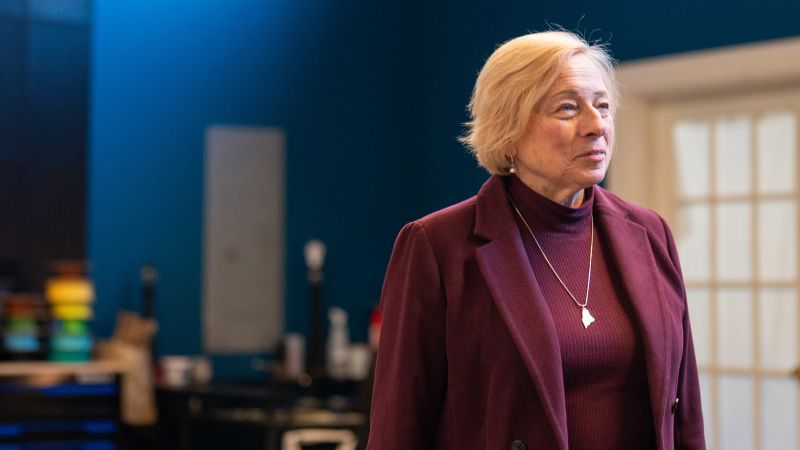
Sandego.net – As the June 9 Democratic primary approaches, a group of influential supporters of Maine Governor Janet Mills is pushing for a revival of her Senate campaign against Graham Platner. The call to action comes amid fresh scrutiny of Platner’s conduct, following recent revelations about his personal messages. Mills had previously suspended her bid in late April, citing financial constraints, but her absence has not diminished the enthusiasm of her base. Several activists and lawmakers are now urging her to re-enter the race, believing her presence could still sway voters in a state known for its ranked-choice voting system.
“I definitely want her to un-suspend her campaign,” said Lynn Bromley, a former state senator who had appeared in anti-Platner ads. “There are a lot of us,” she added, emphasizing that many would still support Mills despite Platner’s growing challenges.
Although Mills halted her campaign a month ago, her name remains on the ballot, offering a strategic advantage in a system where voters rank candidates. This has created a unique opportunity for her allies to argue that her candidacy could still influence the outcome. A recent statement from state Representative Holly Eaton, a vocal proponent of Mills, underscored this sentiment. “It has always been my intention to vote for Janet Mills in the Democratic primary,” Eaton said. “I would be pleased to see her unsuspend her campaign and continue her candidacy.”
“I believe that’s what the people of Maine care the most about,” said Elizabeth Warren of Massachusetts, who praised Platner’s resolve in taking on Susan Collins, the Republican senator seeking re-election. Warren, however, remained noncommittal about her concerns regarding Platner’s personal life, focusing instead on his policy platform.
Controversies Surrounding Graham Platner
The latest controversy involving Platner has reignited debates about his viability as a Senate candidate. His wife, Amy Gertner, revealed that she had informed campaign staff at the start of the race about his habit of sending sexual text messages to other women. The disclosure has drawn criticism from some quarters, with Gertner accusing a former campaign official of betraying her confidence. “Deeply hurt,” she said, describing the leak as a breach of trust.
This latest scandal follows earlier controversies that have tested Platner’s appeal, particularly among female voters. Critics argue that his past comments about rape victims have made him a lightning rod for scrutiny. Yet, his campaign continues to attract endorsements from progressive figures, including Senator Bernie Sanders, who has remained steadfast in his support. “I don’t know all of the details, but my understanding is that his wife is supporting him,” Sanders said, shifting focus to broader issues affecting working families.
Political Reactions and Strategic Implications
Senate Minority Leader Chuck Schumer, a key player in the race, has not ruled out Platner’s potential to defeat Susan Collins. When asked Monday about his confidence in the candidate, Schumer replied, “Not now,” as he arrived on Capitol Hill. His earlier backing of Mills had been a pivotal moment in the race, as Democrats viewed Collins as a critical target for winning Senate control in November. After Mills dropped out, Schumer quickly aligned with Platner, signaling his campaign’s adaptability.
Meanwhile, Platner’s campaign has seen continued momentum, bolstered by high-profile allies. California Representative Ro Khanna, a potential 2028 presidential candidate, has scheduled a rally with Platner along the Maine coast, aiming to energize his base. The event underscores the candidate’s ability to attract progressive backing despite the recent controversies. “I believe that’s what the people of Maine care the most about,” Warren reiterated, highlighting Platner’s determination to challenge Collins.
Campaign Fundamentals and Key Supporters
Mills’ decision to suspend her campaign was driven by financial pressures, which had mounted significantly by late April. Her supporters, however, argue that her absence has not diminished her relevance. “If unsuspending her campaign helps get the word out that she’s still on the ballot and that a vote for her still counts, I support that decision,” said Cassie Julia, a state representative and member of the “Women for Janet” coalition. Julia’s statement reflects the coalition’s commitment to Mills’ record on issues like abortion rights, which she had championed during her tenure as governor.
Other key figures within Mills’ network have echoed similar sentiments. Melanie Weiss, a Jewish community leader who had previously endorsed Mills, expressed optimism about her return. “I would be thrilled to see [Mills] rejoin the field,” Weiss told CNN. “I didn’t plan to vote for Platner regardless, but her candidacy could add momentum to the race.” These voices from the grassroots and influential sectors suggest that Mills’ presence might still play a role in shaping the primary.
Platner, on the other hand, has maintained a strong ground game, drawing large crowds and securing endorsements from prominent Democrats. His campaign has positioned itself as a bold challenge to Collins, emphasizing policies such as curbing the influence of billionaires and lowering the cost of living. While his personal conduct has sparked debate, his team insists that these issues are secondary to his legislative record and public appeal.
The renewed push for Mills’ campaign also highlights the ongoing tension between her and Platner. Though Platner praised her on the day she suspended her bid, he stopped short of endorsing her. This neutrality has left some supporters feeling uncertain, but the possibility of her return remains a topic of discussion. As the primary draws near, the race has become a test of both candidates’ ability to navigate personal and political challenges.
With the June 9 vote looming, the decision to revive Mills’ campaign could have significant implications. Her supporters believe that her candidacy might still rally voters who are skeptical of Platner’s personal conduct, while Platner’s backers argue that his platform and determination make him the best choice to secure a Senate seat. The race is now a dynamic interplay of strategy, public sentiment, and the lingering impact of recent controversies.