Israel Shared Intel on Iranian Hardliners’ Trump Ambitions
Intelligence Briefing Reveals Growing Threats
Sandego.net – Israel shared intel on Iranian hardliners who harbor ambitions to target President Donald Trump, according to multiple sources familiar with the matter. This revelation comes as Israeli officials briefed the Trump administration about specific factions within Iran’s hardline establishment that view the American president as a primary adversary. Unlike a coordinated assassination plot, this intelligence suggests a broader, ongoing sentiment among certain Tehran power brokers. Ahmad Vahidi, recently appointed as head of the Islamic Revolutionary Guard Corps, has emerged as a vocal proponent of confronting the United States directly. Israeli sources indicate that Vahidi has been particularly aggressive in his rhetoric, positioning himself as a leader who opposes diplomatic engagement with Washington.
Context of the Threats
The intelligence shared by Israel paints a picture of persistent rather than sudden hostility. Two American sources explained that current assessments do not reveal a fresh, singular conspiracy against the President. Instead, they describe a continuous flow of threats and rumors emanating from various Iranian entities. This desire to remove Trump extends beyond political circles into the general population. During the extended mourning period following Ayatollah Ali Khamenei’s death from Israeli strikes in late February, Iranian citizens displayed banners explicitly calling for the American leader’s elimination. The emotional atmosphere during this period of national grief helped fuel anti-American sentiment across multiple segments of Iranian society.
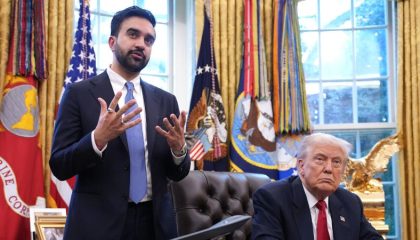
Trump’s reaction to these reports was characteristically dismissive. When speaking with the New York Post on Friday, the President suggested that the intelligence was hardly groundbreaking.
“Israel came up with nothing,”
he remarked, emphasizing that he has long been considered Iran’s main enemy. Despite receiving warnings from various US agencies about the escalating situation, Trump made practical adjustments to his travel plans. Upon returning from a NATO summit, he chose to fly on an older aircraft that has historically served American presidents, rather than using the newer plane recently donated by Qatar. This decision reflected concerns about the intensifying security situation in Iran.
The role of Israeli intelligence in this diplomatic landscape has become increasingly significant. Netanyahu’s government appears to be leveraging these intelligence findings to influence the broader course of regional conflict. By highlighting Iranian hardliners’ intentions, Israel may be positioning itself as a key ally in understanding Middle Eastern dynamics. The intelligence community’s categorization of Vahidi and similar figures as “obstructionists” suggests that American planners are preparing for multiple scenarios. Should large-scale conflict break out again, US forces could consider direct military action against these designated leaders.
What makes this intelligence particularly noteworthy is its timing. As regional tensions continue to evolve, the shared information between Israel and the United States provides valuable context for future policy decisions. The Wall Street Journal’s initial reporting on these developments has now been corroborated by additional sources, lending credibility to the narrative. While Trump’s casual assessment downplays the significance of the intelligence, the practical steps he took regarding his travel arrangements suggest underlying concern. The combination of political rhetoric and concrete action demonstrates how intelligence sharing between allies can shape both public perception and private decision-making in times of heightened international tension.