Supreme Court’s TPS Ruling Sparks Uncertainty for Over a Million Immigrants
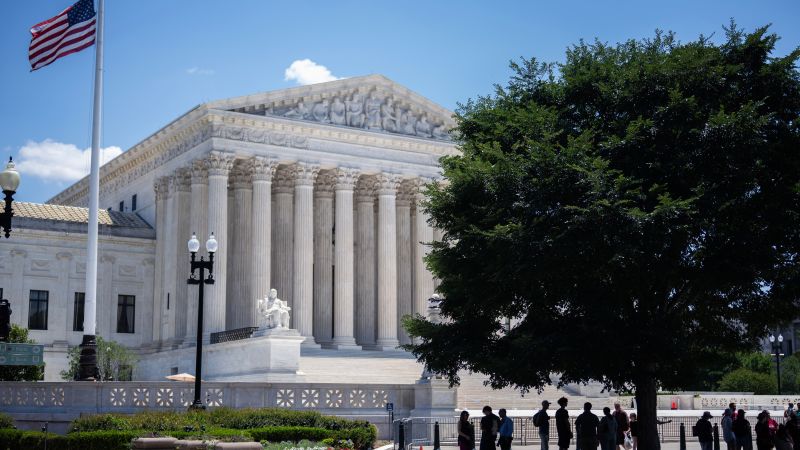
Sandego.net – For years, hundreds of thousands of Haitians have thrived in the U.S., contributing to communities and industries across the nation. Their status, along with that of thousands of Syrians, has now been upended by a recent Supreme Court ruling, leaving them in a precarious legal position as their work permits expire and deportation protections are revoked. The abrupt shift in their circumstances stems from the court’s decision, which grants the Trump administration sweeping power to determine the fate of Temporary Protected Status (TPS) designations. This ruling confirms that the Department of Homeland Security (DHS) can act independently in extending or ending such protections, a key argument the administration has long championed.
A Major Victory for Trump’s Deportation Agenda
The 6-3 decision marks a significant win for the Trump administration, which has long prioritized mass deportation and border control. By affirming the DHS’s broad authority, the court aligns with the administration’s vision of reducing the number of immigrants granted temporary relief from removal. While the case initially focused on the 350,000 Haitians and 6,000 Syrians currently under TPS, its implications extend to over a million additional immigrants from 11 other countries. Legal experts warn that this ruling could trigger widespread displacement, with communities and industries facing immediate disruptions.
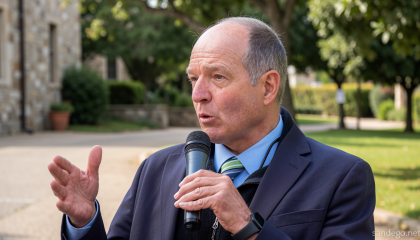
“This decision could mark the largest mass removal event in U.S. history, displacing hundreds of thousands of individuals who have built lives here,” said Ahilan Arulanantham, a law professor at UCLA School of Law and advocate for the Syrian TPS case. His words underscore the gravity of the ruling, which removes a critical safeguard for immigrants who have relied on TPS to remain in the country.
The Supreme Court’s ruling also clears the way for the administration to resume a controversial policy that allows it to systematically reject migrants at the southern border. This policy, combined with the TPS decision, reinforces the administration’s strategy to tighten immigration enforcement. In a separate 6-3 ruling, the court upheld the Trump administration’s ability to limit entry at the border, further consolidating its control over who can legally reside in the U.S.
TPS Designation and Its Origins
Temporary Protected Status was established in the 1980s to provide temporary relief for nationals from countries experiencing crises, such as war, natural disasters, or political instability. Currently, 17 nations are under TPS designation, with the Trump administration seeking to end it for 13 of them. Haiti, which has been in the program since 2010, was originally designated after a devastating 7.0-magnitude earthquake that left thousands dead and millions homeless. The extension of TPS for Haiti was later renewed following the assassination of President Jovenel Moïse in 2021, a period marked by gang violence and political chaos.
The ruling on Thursday comes amid ongoing challenges in Haiti, including a series of earthquakes and persistent gang activity that has destabilized the nation. These conditions, which previous administrations would have considered sufficient grounds for TPS extensions, now face scrutiny under the new legal framework. The decision allows the administration to terminate protections for 13 countries, including Haiti, without requiring judicial review of the grounds for revocation.
Broader Implications for Immigration Policy
Combined with the southern border policy, the TPS decision gives the government greater flexibility in shaping immigration law. James Percival, the Department of Homeland Security’s General Counsel, highlighted this in a statement, asserting that the rulings provide “several more important tools to continue securing our borders.” The implications are far-reaching, as the administration can now target specific groups of immigrants for removal, potentially reshaping the demographic composition of the U.S.
While the TPS ruling has immediate effects, the most anticipated immigration decision remains pending: the Supreme Court’s upcoming ruling on the Trump administration’s executive order to end birthright citizenship. This order, if upheld, could strip hundreds of thousands of children born to undocumented parents of their right to automatic U.S. citizenship, affecting their future legal status. The ruling on birthright citizenship is expected to have even broader consequences, as it challenges a longstanding principle of American immigration law.
Legal Challenges and the Path Forward
With the Supreme Court’s backing, the Trump administration is now poised to proceed with its plans to revoke TPS for multiple countries. Legal challenges against this move are likely to be dismissed, as the court has affirmed the DHS’s authority to make such decisions without judicial oversight. This means that TPS beneficiaries, including Haitians and Syrians, will now face the prospect of deportation as their work permits expire and protections are removed.
The decision to terminate TPS for 13 countries, including Haiti, has been justified by the administration as a necessary step to control immigration flows. Officials argue that TPS was always intended to be a temporary measure, and that many individuals from these countries have stayed in the U.S. far beyond the original conditions of their protection. However, critics point to the prolonged instability in Haiti, where decades of natural disasters and political turmoil have created conditions that make return to the homeland unsafe for years.
The uncertainty surrounding the timing of removals adds to the anxiety of TPS holders. While the process is expected to unfold over months, the lack of a clear timeline leaves families and communities in limbo. For Haitians, who have relied on TPS since 2010, the end of protections means a potential return to a country they can no longer call home. The Supreme Court’s ruling not only accelerates this process but also sets a precedent for future immigration decisions, enabling the administration to act with increased autonomy.
As the dust settles, the impact of these rulings will be felt across the U.S. From small towns to major cities, the deportation of over a million immigrants could reshape local economies and social structures. The TPS decision, in particular, highlights the administration’s ability to prioritize national security over humanitarian considerations, a shift that has already sparked debates about the future of immigration policy in America.
Looking Ahead: A New Era for Immigration Law
With the Supreme Court’s recent decisions, the landscape of U.S. immigration is entering a new phase. The administration’s ability to terminate TPS and restrict southern border entries signals a more aggressive approach to immigration control. These changes, though implemented gradually, could lead to the displacement of hundreds of thousands of immigrants, many of whom have lived in the U.S. for decades.
As the pending birthright citizenship decision approaches, the broader implications of the court’s rulings will become even more apparent. Whether these policies lead to a new era of immigration enforcement or a lasting shift in legal protections for immigrants, the decisions have already set the stage for a transformative period in American immigration law. For now, the focus remains on the immediate consequences of the TPS termination, with millions of lives hanging in the balance.