
Israel’s closure of Al-Aqsa Mosque is an act of war
Israel’s closure of Al-Aqsa Mosque is an act of war
Emergency Measures in the Wake of Conflict
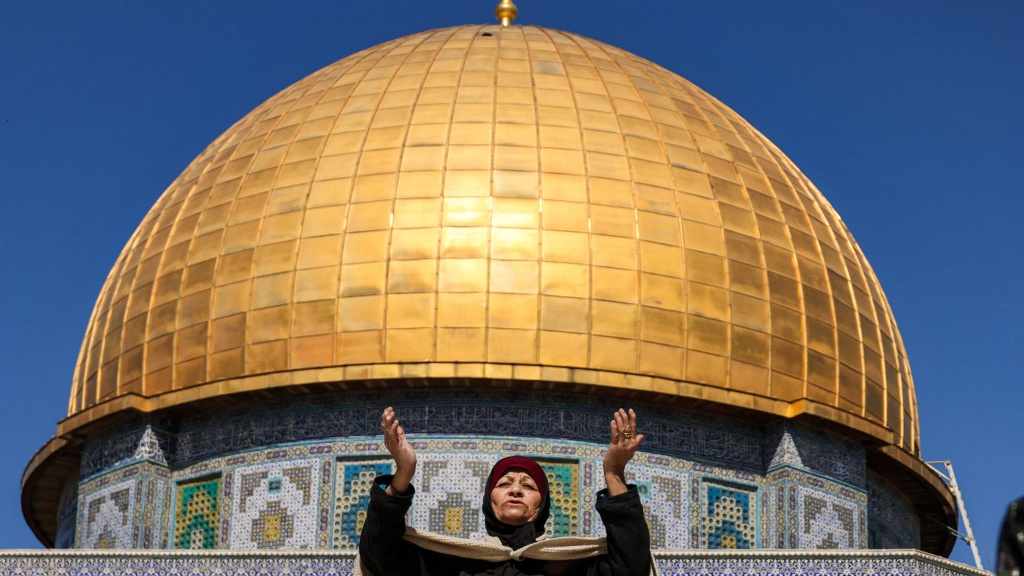
Less than a day after the US-Israeli military strike on Iran, the Ibrahimi Mosque in Hebron and Al-Aqsa Mosque in occupied East Jerusalem were shut down. Israeli occupation forces cleared worshippers from the premises, citing wartime “preventive actions” as justification for the abrupt closures.
Lack of Shelter and Vulnerability
In the occupied West Bank and East Jerusalem, Palestinian households often lack bomb shelters, leaving nearly half the population exposed to aerial attacks without secure refuge, as noted in Israel’s state comptroller reports. This absence of protective infrastructure underscores the precariousness of daily life under occupation.
While Israeli authorities claim to prioritize safety, their methods—restricting access to mosques and confining people to homes, markets, or workplaces—do not guarantee security. During the genocidal conflict in Gaza, the notion that these measures are genuinely protective of Palestinians is not only dismissive but deeply unsettling.
Confining worshippers to their homes, workplaces, or markets instead of allowing them to access mosques fails to ensure their safety. Amid the war in Gaza, the idea that Israeli authorities are concerned for the safety of any Palestinian is not merely laughable; it is stomach-turning.
Religious Replacement and Symbolic Control
The closures reflect a broader strategy by Israel’s Zionist government to redefine religious spaces. Religious Zionists, now the dominant ideological force in Israeli society, refer to the Al-Aqsa complex as the Temple Mount. This terminology subtly erases the mosque’s Islamic identity from public consciousness.
Similarly, the Ibrahimi Mosque is dubbed the Cave of the Patriarchs by the Zionist right, further diluting its significance. These symbolic rebrandings are part of an effort to assert control over sacred sites, positioning Israel as the ultimate authority.
Isolating the Mosques: A Strategic Move
Israeli emergency measures to shut down the mosques serve dual purposes. Primarily, they aim to solidify the country’s claimed dominion over these locations, sidelining Islamic administrators and dictating access terms. In each instance, the waqf is reduced to an observer, subjected to whatever rules the occupying government enforces.
Secondly, the closures during Ramadan act as a live trial for future occupation tactics. By restricting entry during the holy month, Israel tests the effectiveness of containment strategies, preparing for potential long-term seizure of the sites.
Historical Context and Escalating Control
This pattern of control has roots in Israel’s past efforts to dominate access to Al-Aqsa. Over the last decade, the government has worked to diminish the waqf’s authority, implementing policies that limit its autonomy. Key moments include the 2017 closure following a deadly attack, the 2020 lockdown during the pandemic, and the 2025 shutdown amid the 12-day war with Iran.
During the 2020 pandemic, Al-Aqsa was closed despite its expansive open layout, which should have made social distancing feasible. The mosque remained shut for two months, including the entire Ramadan period. This precedent sets the stage for more aggressive actions, as restrictions during Ramadan signal the potential for sustained control.
Testing the Machinery of Elimination
Recent closures follow these historical precedents, suggesting a shift toward unchallenged authority over religious sites. At the same time, Israel has intensified its assaults on Al-Aqsa during Ramadan, reportedly withholding supplies and rotating guards to disrupt operations.
Early in the holy month, Israeli officials imposed a cap of 10,000 worshippers for Friday prayers, favoring older men and women, as well as young children. These measures, framed as security necessities, exemplify the broader campaign to reshape the status quo. Additional pressure comes from calls by rabbis and activists to perform ritual animal sacrifices at Al-Aqsa during Passover, further destabilizing its role as a Muslim prayer space.
