
Are the US and Iran on a collision course for war or a surprise deal?
Are the US and Iran on a collision course for war or a surprise deal?
The US military buildup near Iran signals the most significant regional deployment since the 2003 Iraq invasion. With the USS Gerald R Ford, the world’s largest supercarrier, now operating in the Mediterranean and en route to join the fleet, the scale of the operation stands out. However, the most telling sign of readiness is the deployment of six E-3 Sentry airborne warning and control planes—nearly 40 percent of the US total.
These aircraft, often dubbed “eyes in the sky,” are crucial for monitoring distant threats and coordinating air defenses against possible Iranian retaliation. The sheer number deployed suggests Washington is preparing for a prolonged campaign, while also signaling preparedness for a swift Iranian reaction.
Trump’s approach to intervention has long been shaped by his disdain for traditional military involvement. Yet, his May 2025 speech in Riyadh reaffirmed his resolve to assert dominance in the region. Economically, a full-scale war risks derailing his domestic priorities, as analysts warn that conflict could drive oil prices to $90–$200 per barrel.
Despite these concerns, Trump’s pressure on Israeli Prime Minister Benjamin Netanyahu to end hostilities in Gaza hints at a broader desire for regional stability. However, his recent remarks about Tehran having only 10 to 15 days to reach a “meaningful deal” have created a dilemma. If talks fail, backing down could undermine his image as a decisive leader.
“Otherwise, bad things happen,” he added.
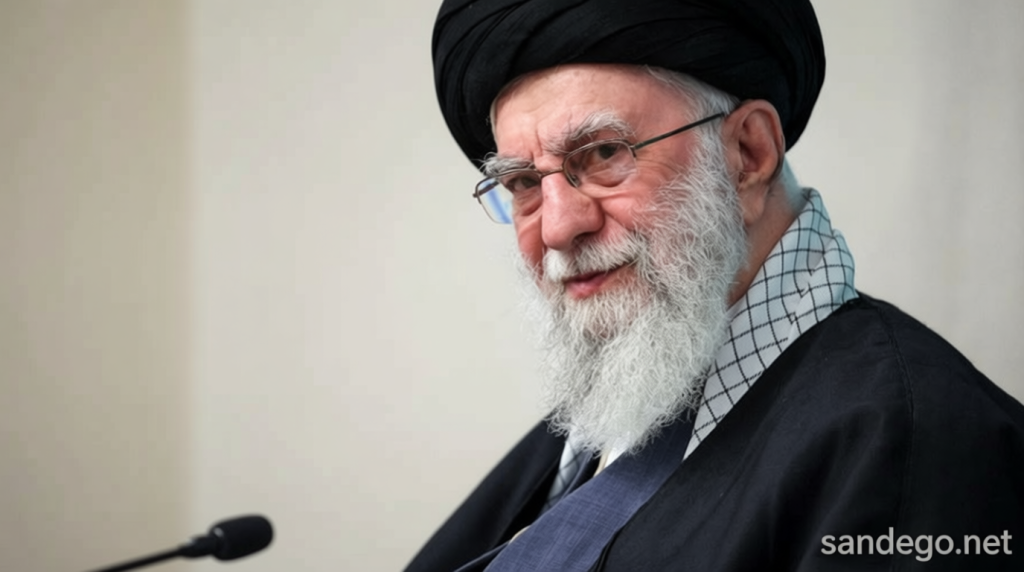
The Iranian leadership, led by Ayatollah Ali Khamenei, faces its own challenges. Domestic unrest has been growing since the suppression of January’s mass protests, with tens of thousands arrested and economic hardship intensifying. US sanctions, coupled with internal corruption, have left the economy in crisis, as a credible Iranian publication reported last week that food inflation has reached triple-digit levels.
Meanwhile, Trump’s political setbacks may be pushing him toward bold action. The Supreme Court’s 6-3 ruling against his use of emergency powers to impose global tariffs dealt a blow to his economic agenda. Seeking to counter this, Trump could leverage a military strike as a demonstration of resolve, as former Commerce Secretary Wilbur Ross suggested to The Wall Street Journal.
Trump’s rhetoric has placed the administration in a precarious position. By warning of imminent military action, he has framed negotiations as a test of Iranian willingness to compromise. Yet, the leadership in Tehran remains steadfast, having already endured months of public pressure and internal dissent. The prospect of war now appears as a final catalyst for their domestic struggles.
Trump’s envoy, Steve Witkoff, recently hinted at the administration’s calculated approach. “He’s curious about why they haven’t capitulated,” Witkoff said, acknowledging that the US leader seeks to maintain leverage without appearing defeated.
