
Trump has handed JD Vance his most difficult mission yet
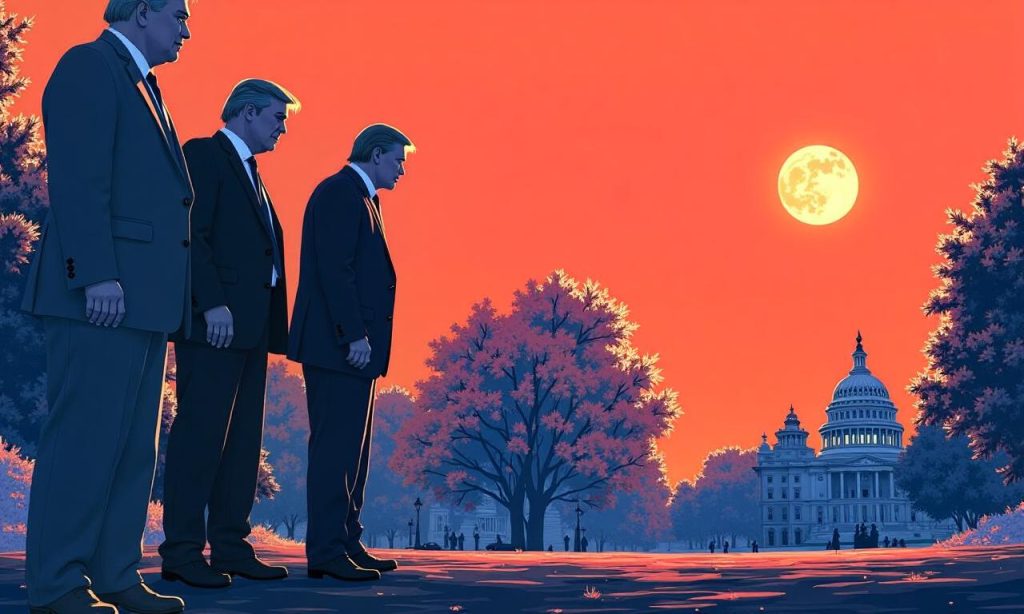
Trump has handed JD Vance his most difficult mission yet
During an Easter luncheon at the White House, President Donald Trump deviated from his prepared remarks to comment on JD Vance’s role in brokering a peace agreement with Iran. “If the deal doesn’t materialize, JD Vance will take the fall,” Trump quipped, prompting laughter among senior officials present, including Vice-President Vance, Secretary of State Marco Rubio, and Defense Secretary Pete Hegseth. He also hinted that he would claim full credit should the talks succeed. These remarks underscored the precarious position Vance now occupies as the U.S. delegation’s lead negotiator in Islamabad.
A Political Minefield
Vance’s assignment in Pakistan is shaping up as his most demanding task since assuming the vice-presidency. The mission carries limited rewards but significant risks if diplomacy falters. The stakes are high, as he must navigate a complex web of interests among stakeholders who harbor mutual suspicion. This comes after a six-week military campaign that disrupted stability in the Middle East and affected global markets.
“Vance needs to deliver a breakthrough,” said an unnamed European official, adding that failure could “diminish his standing.”
Success hinges on satisfying multiple groups: Trump, whose stance on the war has shifted unpredictably; Iran’s regime, which has reinforced control over the Strait of Hormuz; and Israel, which remains cautious about a broader regional ceasefire. European allies, some of whom oppose the conflict, are also scrutinizing Vance’s ability to balance U.S. interests with the need for international cooperation.
Testing Trump’s Resolve
Vance’s challenge extends beyond the table, as he must also address Trump’s base. Many MAGA supporters are wary of foreign interventions, making them closely watch the negotiations for clues about future presidential campaigns. Vance, a former Marine with Iraq experience, has previously criticized U.S. involvement in overseas conflicts. According to a New York Times report, he voiced strong doubts about launching strikes on Iran during private discussions with Trump.
“It’s challenging to reconcile Vance’s advocacy for restraint with the ongoing U.S. war against Iran,” remarked Jeff Rathke, president of the American-German Institute.
The question remains: can Vance appease all parties? His success may depend on whether the talks result in a comprehensive peace treaty or merely pave the way for a temporary ceasefire. A White House official told the BBC that Trump personally assigned Vance to spearhead the negotiations. Press secretary Anna Kelly confirmed that the vice-president has been working alongside special envoy Steve Witkoff and Jared Kushner, Trump’s son-in-law, both of whom will accompany him to Pakistan.
A Volatile Leader
Vance tempered expectations before departing Washington, stating, “If Iran is open to negotiation, the U.S. team is ready to respond with openness.” He also cautioned Iran against “playing us” and noted Trump’s clear directives. However, Trump’s tendency to reverse course adds uncertainty. Just days prior, he had pressured Iran to strike a deal within a day, warned of “a whole civilisation dying” on Truth Social, and later announced a ceasefire moments before his war escalation deadline.
