
Three merchant ships struck as tensions rise in Hormuz strait amid Iran war
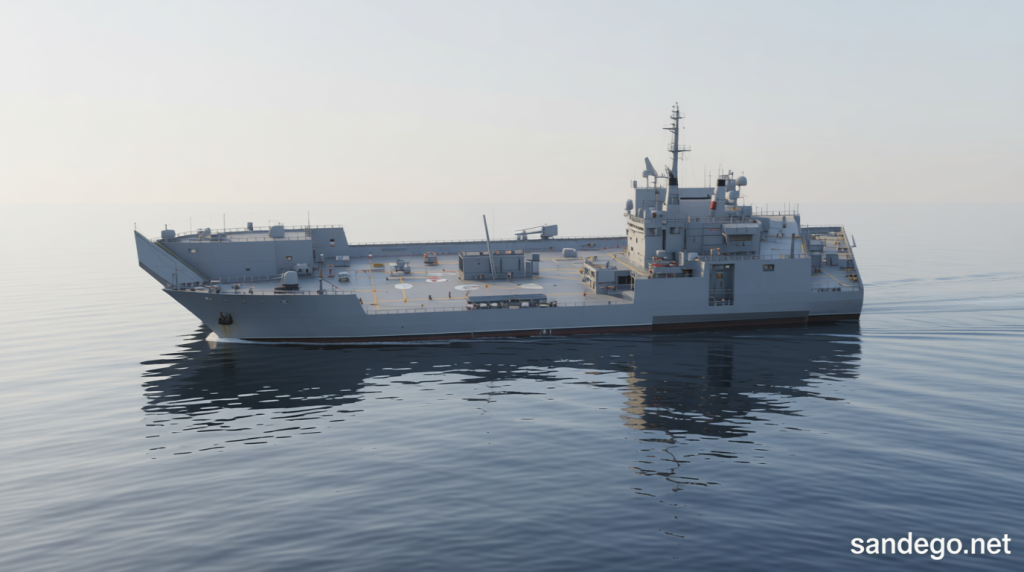
Three Merchant Vessels Targeted in Hormuz Strait Amid Escalating Regional Tensions
Three commercial ships were attacked in and around the strategic waterway of the Strait of Hormuz, including a Thai-registered bulk carrier that caught fire after departing a UAE port. This incident, which occurred 11 nautical miles north of Oman, ended a four-day period of relative calm in the area. The Mayuree Naree, as it sailed through the region, was hit by two projectiles of unknown origin, triggering a fire in its engine room. Crew members were evacuated by the Omani navy, with 20 personnel safely removed and a minimal crew of three left aboard to await assistance.
Earlier this week, Iran’s military command warned that it would not permit even a single litre of oil to leave the region if US-Israeli strikes persisted. The strait, which has been effectively closed since the start of the month, serves as a critical route for a fifth of global oil and gas traffic. The Islamic Revolutionary Guard Corps emphasized its commitment to disrupting maritime flow, highlighting the vulnerability of international trade in the area.
Attack Details and Crew Safety
The other two vessels targeted were only lightly damaged. The ONE Majesty, a Japanese container ship, sustained minor harm 28 miles northwest of Ras Al Khaimah in the UAE. A Marshall Islands-flagged bulk carrier, the Star Gwyneth, was struck 30 miles northwest of Dubai, damaging its hull in the hold while anchored. In both instances, no serious injuries were reported among the crew.
“Get ready for oil to be $200 a barrel, because the oil price depends on regional security, which you have destabilised,” said Ebrahim Zolfaqari, a military spokesperson for Iran.
Oil prices, which briefly spiked to $120 a barrel on Monday, have since stabilized around $90, buoyed by hopes of a swift resolution to the conflict. While US media claimed Iran had deployed a dozen mines in the strait, French President Emmanuel Macron stated he had no confirmed evidence of this. The operation could involve naval or Revolutionary Guard speedboats, or surviving midget submarines.
US Military Response and Strategic Moves
On Tuesday, Donald Trump posted on Truth Social that if Iran had placed mines in the Hormuz Strait and there were no prior reports, they should be removed immediately. Less than two hours later, the US military released unclassified footage of attacks on mine-laying vessels. It claimed to have destroyed 16 Iranian ships near the strait as part of a broader effort to neutralize the country’s naval capabilities.
Adm Bradley Cooper, head of US Central Command, noted that 5,500 targets had been struck in Iran, a rise of 500 from the previous day, along with over 60 vessels. Iranian civilians were advised to avoid civilian ports, where military operations were ongoing. Initial talks about US naval convoys for oil tankers have not yet led to active patrols, with the conflict remaining intense.
France expressed interest in joining a convoy once hostilities eased, while the UK suggested air defense was more pressing. At a defense briefing, top US general Dan Caine mentioned evaluating various options to secure the strait. When asked on Wednesday about ensuring safety, Trump asserted, “I think you’re going to see great safety, and it’s going to be very, very quickly,” though he offered no specifics.
The Strait of Hormuz is just 21 miles wide at its narrowest point, with shipping lanes confined to a 2-mile corridor on either side. Oil and gas shipments from Persian Gulf nations typically transit through this vital channel to reach global markets.
