
They survived the bombs, but not the virus: Fatal illness spreads in Gaza
They survived the bombs, but not the virus: Fatal illness spreads in Gaza
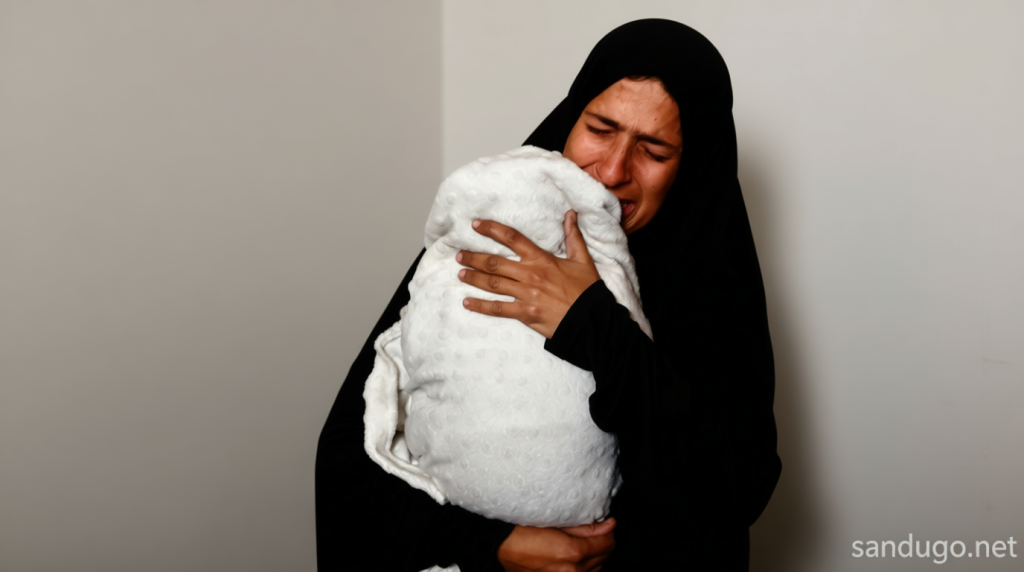
Marwa Kalloub, a 38-year-old mother, could never have predicted that her daughter Mariam would succumb to illness in a hospital, despite being admitted with mild symptoms resembling the flu. Her hopes rested on the child’s strong immune system and standard treatments.
Yet in Gaza, where prolonged Israeli restrictions have eroded health resilience and overwhelmed medical infrastructure, even a common ailment turned deadly. “Mariam had no previous health issues,” her aunt, Iman Kalloub, shared with Middle East Eye.
“Before she died, Mariam had a severe cough, nausea and a high fever. She stopped eating completely,” Kalloub added.
The family had welcomed the October ceasefire with cautious optimism, repairing their home and resuming Mariam’s schooling. It was unthinkable that a child who endured relentless bombardments would perish from a virus, not bullets or shrapnel.
A mutated strain accelerates crisis
In recent weeks, a rapidly evolving virus has swept through Gaza, targeting communities already reeling from two years of conflict and a crumbling healthcare system. Health officials remain uncertain about the exact nature of the disease, hindered by limited testing and shortages of critical medical supplies.
Mariam, eight years old, was taken to Rantisi Hospital on January 11. Once a hub for treating pediatric kidney disease and cancer, the facility now handles respiratory and gastrointestinal infections, as well as chronic conditions. Despite the Palestinian Ministry of Health’s efforts to restore services, the hospital operates at full capacity, struggling to meet patient needs.
Overwhelmed facilities and dire conditions
“Two years of war didn’t kill her. A small virus did,” Kalloub said, reflecting on the tragic loss. The hospital’s pediatric unit had become a battleground, with mothers waiting hours to see doctors due to overcrowding.
Doctors diagnosed Mariam with severe respiratory distress, finding her lungs in critical condition. Treatment options were limited to oxygen support, with even intravenous nutrition out of reach. “They knew they couldn’t save her,” her mother explained.
Meanwhile, the World Health Organization-led Health Cluster reported in November 2025 that most Gaza medical facilities could no longer provide full care. The study noted that 55 percent of essential medicines were unavailable, and 71 percent of basic supplies were depleted. “Bed occupancy has reached 150 to 200 percent,” said Mohammed Abu Salmiya, director of al-Shifa Medical Complex in Gaza City.
Abu Salmiya attributed the outbreak to a combination of factors: overcrowded refugee camps, leaking tents, contaminated water, and weakened immunity. “Children, the elderly, pregnant women and those with chronic illnesses are most at risk,” he warned. Famine and malnutrition had further compromised immune systems, leading to complications and deaths among patients requiring dialysis, cancer treatment, or heart care.
Despite the October ceasefire, UN agencies highlighted last month that 77 percent of Gaza’s population still grapples with acute food insecurity, leaving many vulnerable to disease. The situation underscores how a simple virus has become a silent killer in a region already ravaged by conflict.
