
Iran war threatens Trump’s affordability push as rising energy prices complicate Fed rate cuts
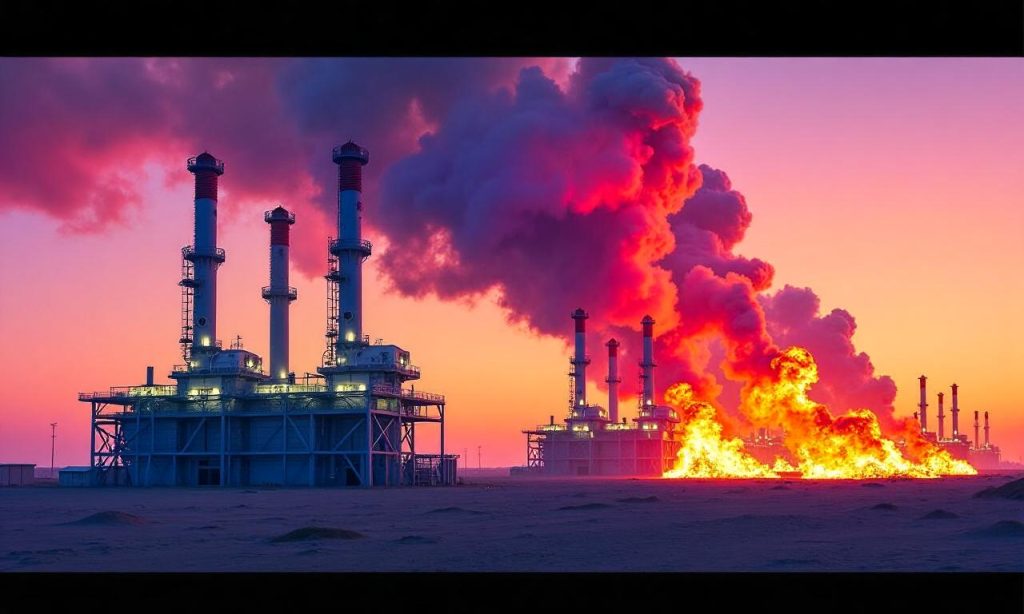
Iran War Challenges Trump’s Economic Agenda Amid Escalating Energy Costs
The escalating conflict with Iran has introduced new economic complexities for the United States, complicating the Federal Reserve’s efforts to manage inflation and employment. Recent spikes in oil prices, logistical challenges in the Middle East, and a deteriorating labor market are creating an environment where the Fed must navigate dual pressures: inflationary forces and slowing growth. This situation threatens to undermine the administration’s push for affordability, as rising energy costs strain consumer budgets and complicate monetary policy.
Gasoline prices surged to $3.41 per gallon on Saturday, according to AAA, marking a $0.43 increase in just one week. Simultaneously, U.S. crude oil recorded its largest weekly gain since 1983, signaling that higher fuel costs may persist. These developments come against a backdrop of a softening labor market, where February saw a loss of 92,000 jobs. Revised figures for December and January further revealed 69,000 fewer positions than initially reported, intensifying concerns about employment trends.
Typically, a weakening labor market would encourage the Fed to ease rates to stimulate job creation. However, the war in Iran is altering this calculus. Rising oil prices and supply chain disruptions risk pushing inflation higher, even as growth slows. This combination could trap the Fed in a difficult position, balancing the need to control prices with the goal of supporting employment.
“The February report and latest geopolitical developments complicate the Fed’s job by raising risks on both sides of the dual mandate,” noted Gregory Daco, EY’s chief economist, in a client note. “Weaker job growth and rising unemployment concerns amplify fears of economic slowdown, while the Middle East conflict heightens inflationary pressures.”
A critical factor in this scenario is the Strait of Hormuz, a vital chokepoint for global oil and commodity shipments. The narrow waterway transports approximately one-fifth of the world’s oil supply and serves as a major route for aluminum, sugar, and fertilizer. With over 80% of global trade reliant on maritime routes, any disruption here could send shockwaves through international supply chains.
Slower shipping may elevate freight costs, delay deliveries of raw materials and finished goods, and increase production expenses for businesses. These factors often translate to higher consumer prices, further fueling inflation. If the Strait remains disrupted, oil prices could climb significantly, potentially surpassing $100 per barrel, as warned by Goldman Sachs. Crude oil prices closed near $91 on Friday, but sustained increases might push gasoline prices upward.
Kevin Warsh, the Fed’s chair nominee, faces a tough balancing act. “Even if oil prices stabilize soon, it’s harder to imagine the Fed supporting rate cuts without clearer signs inflation is returning to 2%,” wrote Stephen Brown, Capital Economics’ deputy chief North America economist. Fed officials emphasize they are monitoring both inflation and employment trends closely, though some believe the war’s impact on prices may be temporary.
San Francisco Fed President Mary Daly acknowledged that February’s job data added to a challenging policymaking landscape. “Moving forward, it’s a balance of risks calculation,” she stated. Meanwhile, Christopher Waller, a Federal Reserve governor, suggested the central bank might not overreact to current gas price trends. However, the energy sector remains a key battleground for the Fed’s ability to meet its dual objectives in the face of geopolitical uncertainty.
