
Essential Tips to Protect Your Personal Data Effectively
In today’s digital age, protecting personal data has become more critical than ever. With the increasing reliance on online platforms for banking, shopping, socializing, and even healthcare, the risk of data breaches, identity theft, and cyberattacks is constantly rising. Personal data includes sensitive information such as your name, address, email, phone number, and even financial details. If this information falls into the wrong hands, it can lead to serious consequences, from fraudulent transactions to targeted phishing attempts. Therefore, knowing How to protect personal data is essential for maintaining privacy and security in both personal and professional life. This article explores practical strategies to safeguard your personal data effectively, covering everything from strong passwords to regular monitoring. By implementing these tips, you can significantly reduce the chances of your information being compromised and ensure that your digital presence remains safe and secure.
Understanding the Importance of Personal Data Protection
Personal data is more than just a collection of numbers and letters—it represents your identity, habits, and preferences in the digital world. Every time you create an account, fill out a form, or make an online purchase, you’re sharing information that could be exploited if not properly secured. Cybercriminals often target personal data because it can be used to gain access to your financial accounts, social media profiles, or even your email inbox. For instance, a single leaked email password might lead to a hacker infiltrating your entire network, accessing private messages, and stealing valuable information. This makes it imperative to understand the value of your personal data and take proactive steps to shield it from potential threats.
The consequences of failing to protect your personal data can be severe. According to a 2023 report by the Identity Theft Resource Center, there were over 1,200 data breaches in the United States alone, exposing millions of records. These breaches not only result in financial losses but also erode trust in online services and institutions. Moreover, personal data can be used to create fake identities, leading to long-term damage to your reputation and credit score. By recognizing the risks associated with personal data exposure, you can prioritize security measures and ensure that your information remains safe from cyber threats.
Strengthening Your Digital Defenses with Strong Passwords
One of the most fundamental steps in How to protect personal data is using strong, unique passwords for all your accounts. A password is often the first line of defense against unauthorized access, and weak or reused passwords make it easier for hackers to guess or steal your credentials. For example, a simple password like “password123” can be cracked in seconds using automated tools, whereas a complex password with a mix of letters, numbers, and special characters can take significantly longer to break.
To create a strong password, avoid using common words or phrases that are easy to guess. Instead, combine uppercase and lowercase letters, numbers, and symbols. A good example is “7!z$Mq9L” or “T3L3s#5vP”. Additionally, it’s crucial to use different passwords for different accounts. If one password is compromised, it won’t affect your other accounts. Password managers like Bitwarden or 1Password can help you generate and store unique passwords securely, eliminating the need to remember them all.
Another key aspect of How to protect personal data is enabling two-factor authentication (2FA). While a password is essential, it’s not foolproof. 2FA adds an extra layer of security by requiring a second verification step, such as a code sent to your phone or a biometric scan. This method ensures that even if a hacker obtains your password, they’ll still need the second factor to access your account. Many online services now offer 2FA, and enabling it is a simple yet effective way to enhance your security.
Securing Your Devices and Networks
Your personal data is also vulnerable to threats originating from your devices and the networks you connect to. Whether you’re using a smartphone, laptop, or tablet, ensuring that these devices are secure is vital for How to protect personal data. Start by installing reputable antivirus and anti-malware software to detect and remove malicious programs that could steal your information. Regularly update your operating system and applications to patch security vulnerabilities and protect against known threats. For instance, a recent software update might fix a flaw that allows hackers to access your data through a specific vulnerability.
When connecting to Wi-Fi networks, especially public ones, use a virtual private network (VPN) to encrypt your internet traffic. A VPN creates a secure tunnel between your device and the internet, making it difficult for others to intercept your data. This is particularly important when accessing sensitive information like online banking or email accounts. Additionally, avoid using unsecured networks for activities that involve personal data, such as logging into your accounts or making purchases.
For mobile devices, enable screen lock with a strong PIN, password, or biometric authentication. Set up remote wipe features so you can erase all your data if your device is lost or stolen. Regularly back up your data to an external drive or cloud storage service, and ensure that your backup settings are encrypted. These measures help protect your personal data from physical theft and cyberattacks.
Monitoring and Updating Your Data Safely
Even with strong passwords and secure devices, it’s important to regularly monitor and update your personal data to ensure it remains protected. Set up account activity alerts to receive notifications whenever someone accesses your account or makes a transaction. These alerts can help you detect suspicious behavior early and take action before significant damage occurs. For example, if you receive an alert about a login from an unfamiliar location, you can change your password immediately.
Review your data sharing settings on social media and other online platforms. Many apps and websites collect personal data without explicit consent, so it’s essential to understand what information you’re sharing and with whom. Adjust your privacy settings to limit access to your data and remove unnecessary permissions. Additionally, regularly check for data leaks or breaches involving your information. Tools like HaveIBeenPwned can help you identify if your email or other details have been exposed in a data breach.
Educate yourself and others about data security best practices. Share knowledge about phishing scams, which often trick users into revealing personal data through fake emails or websites. Teach family members or coworkers how to recognize suspicious links and avoid clicking on them. By staying informed and proactive, you can maintain a secure digital environment and protect your personal data effectively.
The Role of Encryption in Data Security
Encryption is a powerful tool in How to protect personal data, as it transforms readable information into an unreadable format that can only be deciphered with a specific key. This ensures that even if your data is intercepted, it remains secure and inaccessible to unauthorized users. For example, when you send an email or store files on a cloud service, encryption can prevent hackers from reading your messages or accessing your documents.
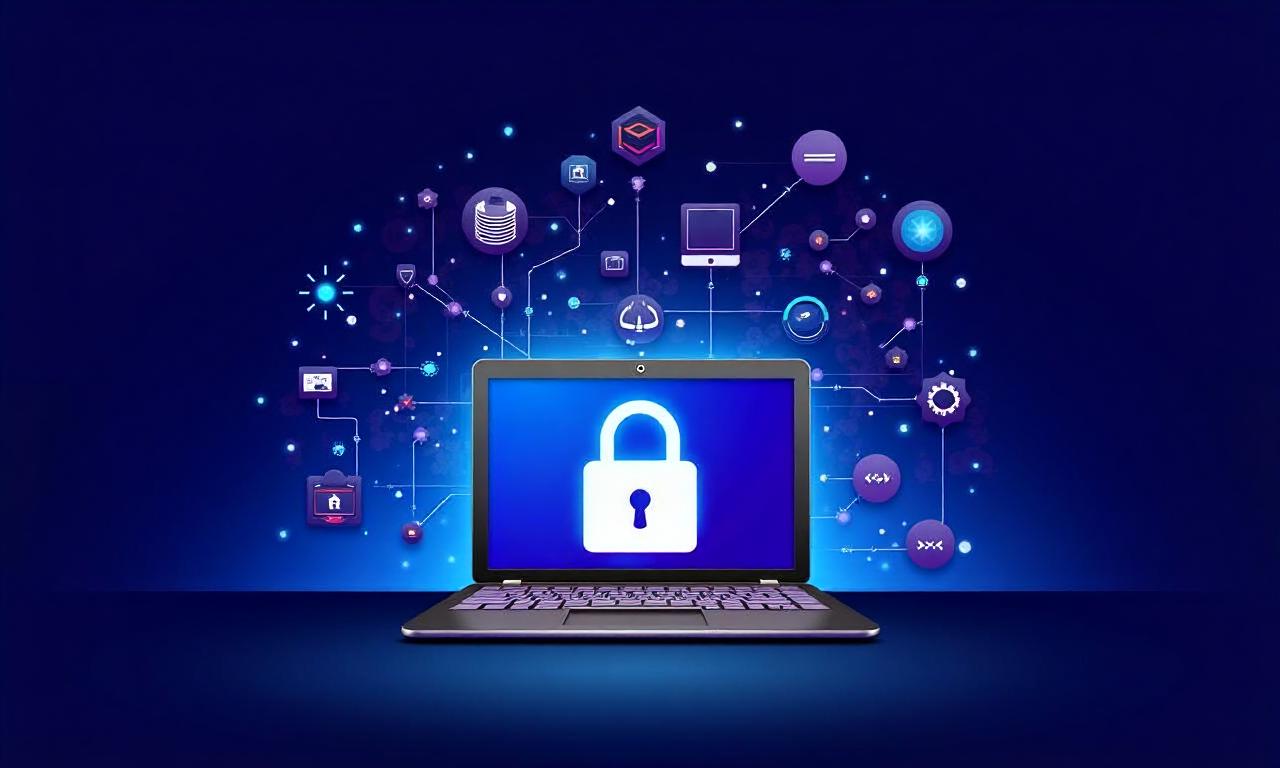
Enable end-to-end encryption for your communications, such as using messaging apps like Signal or WhatsApp. These platforms encrypt your messages so that only the intended recipient can read them. Additionally, use encrypted storage for sensitive files, such as financial records or medical information. Many devices and cloud services offer built-in encryption options, but you should verify that they are activated.
When sharing personal data, always use encrypted channels. Avoid sending sensitive information through unsecured websites or email services that lack encryption. For instance, a website with HTTPS instead of HTTP uses encryption to protect data transmitted between your browser and the server. By incorporating encryption into your How to protect personal data strategy, you can add another layer of security to your digital activities.
Staying Vigilant Against Cyber Threats
Cyber threats are constantly evolving, which means that How to protect personal data requires ongoing vigilance. Be wary of phishing attacks, which often involve fake emails or messages designed to mimic legitimate sources. These attacks can trick you into revealing your personal data by asking for your password or credit card information. To stay safe, always verify the sender’s email address and avoid clicking on links in suspicious messages.
Regularly update your software and apps to ensure they have the latest security patches. Many cyberattacks exploit outdated software, so keeping everything up to date is crucial. For example, a recent update to a mobile app might fix a vulnerability that allows hackers to access your data. Additionally, use secure browsing habits by avoiding public Wi-Fi for transactions and ensuring that you’re always using trusted websites.
Another important aspect of data security is educating yourself about online threats. Stay informed about the latest trends in cybercrime and learn how to recognize and respond to them. Subscribe to cybersecurity newsletters, follow reliable tech blogs, and attend workshops or webinars on data protection. By continuously improving your knowledge, you can adapt to new risks and maintain a strong defense against potential breaches.
The Impact of Data Protection on Daily Life
Protecting your personal data has a direct impact on your daily life, from safeguarding your finances to maintaining your online reputation. When you take steps to How to protect personal data, you’re not only preventing unauthorized access but also ensuring that your personal information is used appropriately. For instance, if a company collects your data for marketing purposes, it’s important to know how that data is being stored and shared.
Personal data breaches can lead to long-term consequences, such as identity theft or fraud. Imagine if a hacker uses your personal data to open a credit card account in your name or send fake messages under your identity. These incidents can take time to resolve, often requiring you to contact financial institutions, change passwords, and update your contact information. By implementing strong security measures, you can minimize these risks and enjoy peace of mind while using digital services.
Moreover, protecting your personal data is a social responsibility. When you secure your own information, you also help protect others who may share your data, such as family members or coworkers. This is especially important when using public devices or shared networks, where unauthorized users can access your information. By staying proactive and informed, you contribute to a safer digital ecosystem for everyone.
The Future of Personal Data Security
As technology continues to advance, the methods used to How to protect personal data must also evolve. Emerging threats such as quantum computing could potentially break current encryption standards, making it necessary to adopt more advanced security protocols. Additionally, the rise of artificial intelligence has introduced new ways for hackers to analyze patterns and predict vulnerabilities, which means that traditional security measures alone may not be sufficient.
To stay ahead of these threats, consider using biometric authentication methods like fingerprint scanning or facial recognition. These techniques offer a more secure alternative to passwords, as they are unique to each individual and difficult to replicate. Furthermore, invest in data privacy tools that can help you manage and protect your information. For example, virtual private networks (VPNs) not only secure your internet connection but also mask your IP address, making it harder for hackers to track your online activities.
Another trend in data security is the implementation of data minimization principles, where organizations collect only the necessary information to fulfill their purpose. This reduces the risk of data breaches and ensures that your personal data is not stored longer than needed. As a user, you can support this by being selective about the information you share online and regularly reviewing your data access permissions. By embracing these future-focused strategies, you can ensure that your personal data remains protected in an increasingly connected world.
Conclusion: A Holistic Approach to Data Security
In conclusion, protecting your personal data requires a combination of proactive measures, technical tools, and informed habits. By understanding the importance of How to protect personal data and implementing strategies such as strong passwords, secure devices, encryption, and regular monitoring, you can significantly reduce the risk of breaches and cyberattacks. The digital landscape is constantly changing, so it’s essential to stay updated on the latest security trends and adapt your approach accordingly. Whether you’re using two-factor authentication or adjusting your data sharing settings, every step you take contributes to a safer online environment. Remember, personal data is a valuable asset that deserves your attention and protection. By taking these essential steps, you can ensure that your information remains private, secure, and under your control.
