
‘Endless fears’: Even if fighting stops, the damage to Iran’s children will endure
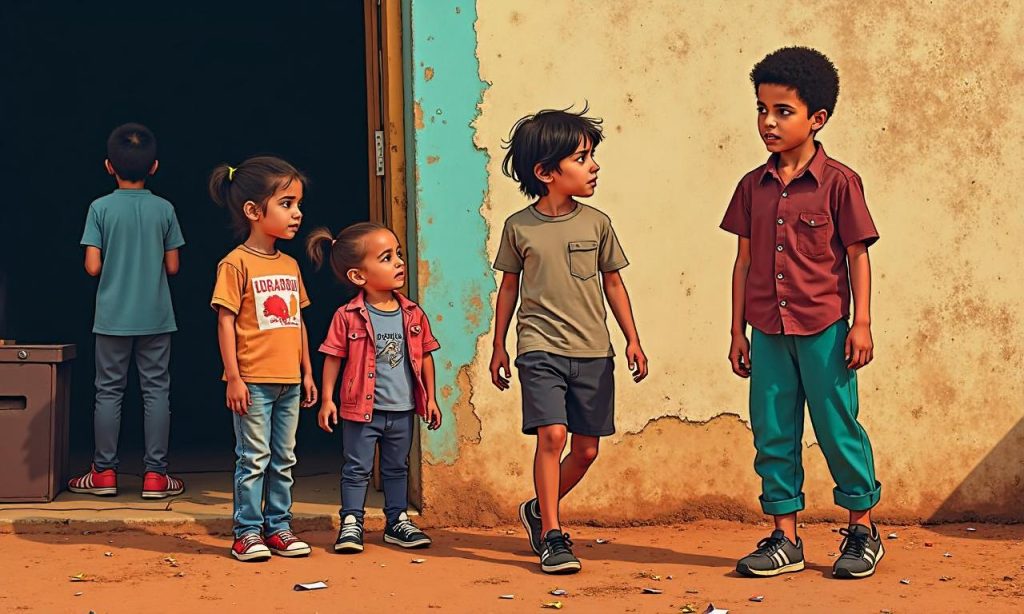
Endless fears
Ali’s Story
For 15-year-old Ali, the war’s echoes persist within his mind. Everyday sounds like a door slamming or dishes clattering trigger sudden jolts of fear, unrelenting even after the conflict paused. “Before the war, I had no stress at all,” he says. “But now even the smallest sound causes my brain to react very badly.”
“The sound of explosions, the shock waves, and the sound of fighter jets flying over the city can have a very serious effect,” he adds.
Ali’s experience reflects a broader crisis. Over 20% of Iran’s population is under 14, roughly 20.4 million children, many grappling with trauma. Psychologists identify the constant anxiety as “hyper arousal,” a potential precursor to post-traumatic stress disorder. His father, now unemployed due to the war, and his mother, perpetually on edge, are sources of both comfort and unease. “My mother stays at home, and whenever fighter jets fly overhead, she becomes frightened and stressed,” Ali explains. “As for myself, I am very afraid.”
The Broader Impact
Schools have closed, streets are guarded by regime militias, and the sky remains a battlefield. Iranian families are confined to their homes, with little to do but wait for the ceasefire to hold. The war has infiltrated the lives of the young, reshaping their world into one of quiet dread. “We are seeing a lot of sleep disturbances, nightmares, reduced concentration, and even aggressive behaviour,” says Aysha, a counselor at a Tehran human rights center. She aids parents through phone calls and in-person visits, offering strategies to ease their children’s distress.
“Try to do the things I mentioned to you to create a calmer environment for him,” Aysha says. “If possible, play with him and keep him engaged. And if even then things don’t improve, bring him back to the centre.”
The war’s toll is measured not just in lives lost but in the psychological toll on the next generation. According to the US-based Human Rights Activists News Agency, 3,636 people have been killed since the conflict began, including at least 254 children. Tens of thousands have been injured. The Iranian government has actively enlisted children in military roles, urging parents to send their sons to checkpoints. In a televised speech, a regime official described the war as a “test of manhood” for boys, saying, “Do you want your son to become a man? Let him feel he’s a hero in the battlefield, commanding the battle. Mothers, Fathers, send your children at night to the roadblocks. These children will turn into men.”
Children in the Line of Fire
For 11-year-old Alireza Jafari, the call to arms meant death. Killed by a drone strike while assisting his father at a Tehran checkpoint on 29 March, he left behind a legacy of courage. His mother, Sadaf Monfared, recalled him declaring, “I would like to become a martyr.” Amnesty International criticizes the recruitment of minors under 15, calling it a violation of international law. “The Iranian authorities are trampling upon children’s rights and committing a grave violation of international humanitarian law amounting to a war crime,” the organization states.
Parents like Noor, who has a son in his early teens, vow to shield him from the battlefield. “A 12-year-old should not be forced into military service,” he insists. “They should grow up, study, and dream of a future free from constant worry about bombs and politics.”
