
Effective Security Breach Prevention Tips to Safeguard Your Data
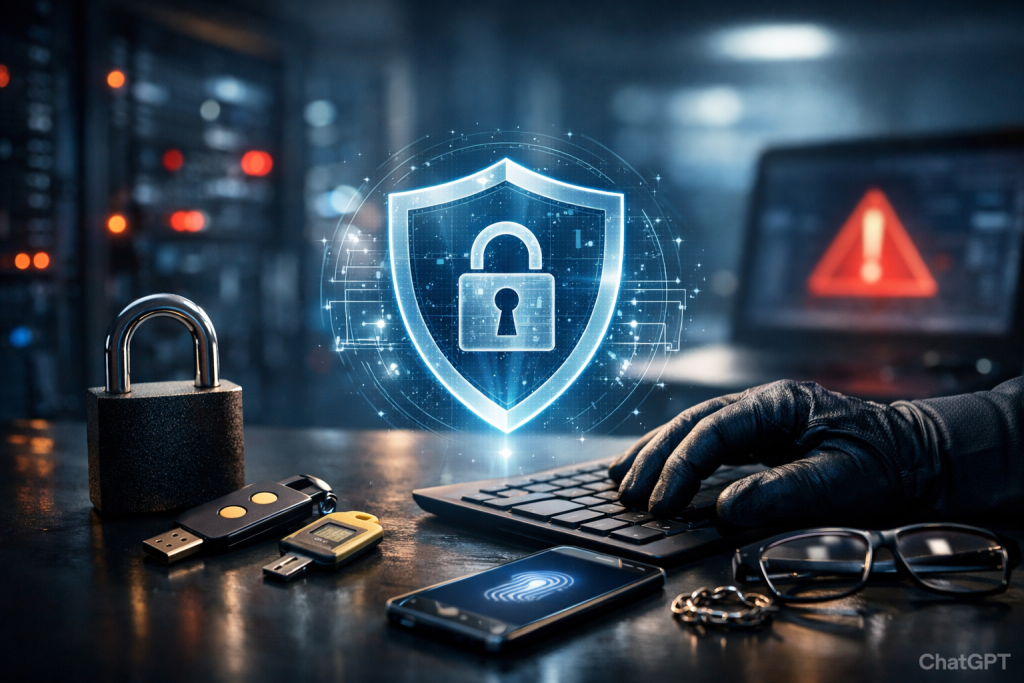
Effective Security Breach Prevention Tips to Safeguard Your Data
In today’s digital age, protecting sensitive data is more critical than ever. A security breach can lead to disastrous consequences for both individuals and organizations, ranging from financial loss to reputational damage. To prevent such breaches, it’s essential to implement a robust security strategy. Below, we’ve outlined effective security breach prevention tips that will help safeguard your data from potential threats.
Understanding Security Breaches and Their Risks
A security breach occurs when unauthorized individuals gain access to systems or data. This could be through hacking, phishing attacks, or even internal threats. The risks associated with security breaches are significant, as they can expose personal information, intellectual property, and sensitive business data.
Breaches can be costly, not only in terms of financial loss but also in terms of damage to an organization’s reputation. For individuals, a breach can lead to identity theft, fraud, and loss of privacy. Therefore, security breach prevention tips are vital for maintaining trust and securing sensitive information.
1. Use Strong Passwords and Multi-Factor Authentication
One of the easiest yet most effective security breach prevention tips is to ensure that all accounts are protected by strong passwords. Weak passwords are an open invitation for hackers to exploit. A strong password should include a combination of uppercase and lowercase letters, numbers, and special characters.
Moreover, multi-factor authentication (MFA) adds an extra layer of security. This requires users to provide two or more verification factors when logging in. For instance, in addition to entering a password, users might need to verify their identity through a code sent to their mobile device. By using strong passwords and MFA, you significantly reduce the risk of unauthorized access.
2. Regularly Update Software and Systems
Cyber attackers often exploit vulnerabilities in outdated software or systems. To prevent such breaches, it’s crucial to keep all software, including operating systems, antivirus programs, and applications, updated with the latest security patches. These updates are designed to address vulnerabilities that hackers might exploit.
Automating updates where possible ensures that systems are always protected. By staying proactive with software updates, you decrease the chances of attackers using known weaknesses to infiltrate your systems.
3. Encrypt Sensitive Data
Data encryption is one of the most effective methods for protecting sensitive information. When data is encrypted, it’s converted into a format that can only be read by someone with the proper decryption key. This means that even if hackers manage to access your data, they won’t be able to understand it.
Encrypting data both at rest (when stored) and in transit (when being transmitted) is a critical step in security breach prevention. By ensuring that your sensitive data is encrypted, you mitigate the impact of a potential breach.
4. Educate Employees and Users on Cybersecurity
Human error is one of the most common causes of security breaches. Phishing attacks, for example, often succeed because employees unknowingly click on malicious links or attachments. To mitigate this risk, organizations must invest in cybersecurity training for their employees.
Training should focus on recognizing phishing emails, safe browsing habits, and the importance of password security. By educating staff about potential threats, you empower them to make safer decisions and reduce the likelihood of a security breach.
5. Implement a Robust Backup Strategy
Even the best security breach prevention tips cannot guarantee 100% protection against all threats. That’s why having a comprehensive data backup plan is essential. Regularly backing up your data ensures that, in the event of a breach, you can restore your systems to their previous state without losing critical information.
Backup systems should be both automated and secure, with encrypted copies stored in multiple locations (e.g., cloud and on-premises). This redundancy ensures that data remains safe, even if one backup method fails.
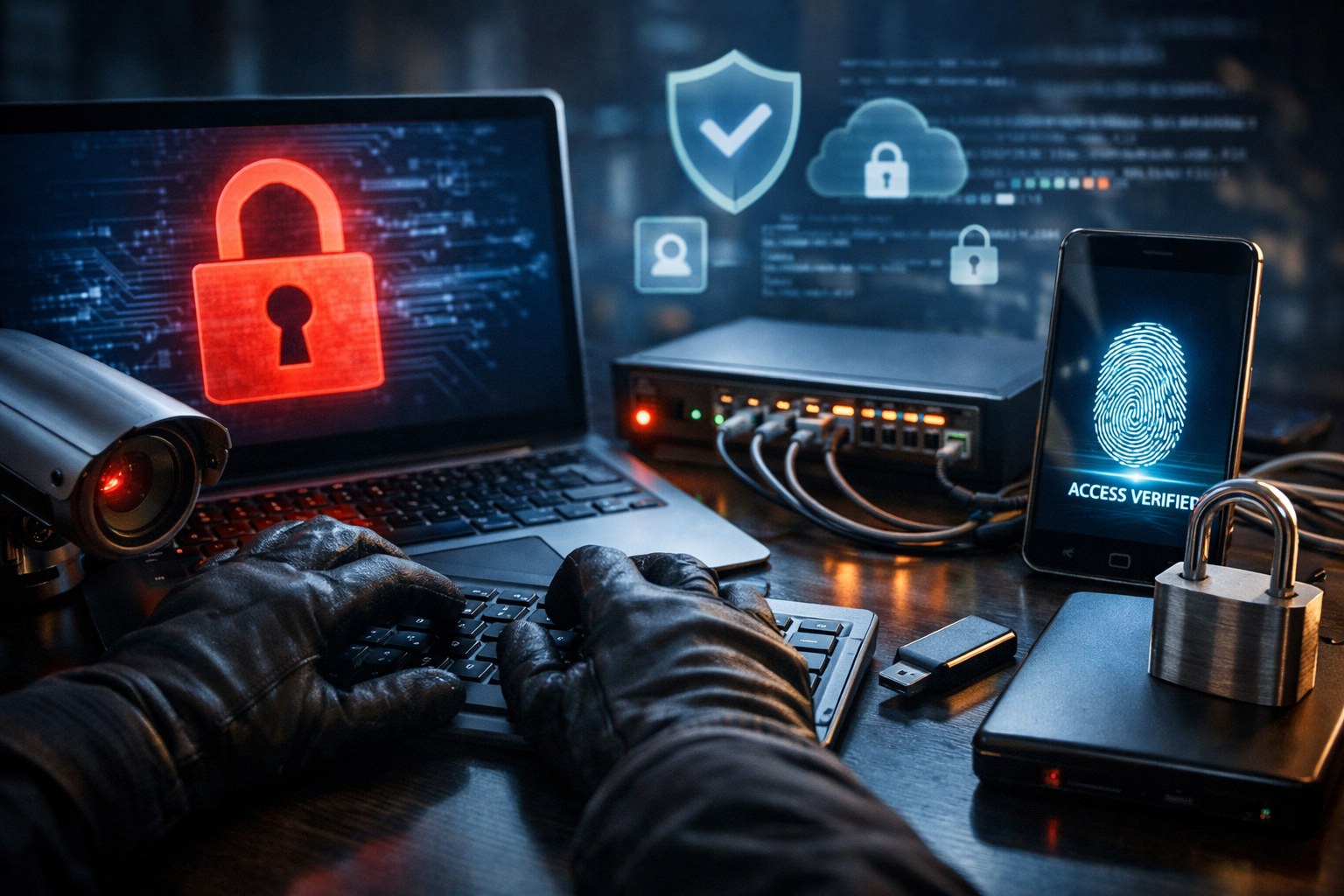
6. Monitor and Audit Systems Regularly
Regularly monitoring and auditing your systems can help identify potential vulnerabilities before they are exploited. Implementing continuous monitoring tools allows you to track user activity, network traffic, and system performance in real time. Any suspicious activity, such as unusual login attempts or unauthorized access, can be flagged and investigated immediately.
Auditing systems helps identify gaps in security and assess whether current policies are effective. By routinely conducting these checks, you can ensure that your security measures are up to date and functioning as intended.
Conclusion
Implementing security breach prevention tips is crucial in today’s threat landscape. By using strong passwords, enabling multi-factor authentication, encrypting data, educating employees, backing up data, and regularly monitoring systems, you can significantly reduce the risk of a security breach. Safeguarding your data requires ongoing effort and vigilance, but the rewards of a secure environment far outweigh the potential risks.
FAQ
Q: What are the best security breach prevention tips for small businesses?
A: Small businesses should focus on using strong passwords, enabling multi-factor authentication, educating employees, and regularly updating software to protect their data from breaches.
Q: How can I prevent a security breach if I work remotely?
A: Working remotely requires secure internet connections, using VPNs, and ensuring that personal devices are updated and have proper security software. Always use strong passwords and multi-factor authentication.
Q: Is it necessary to encrypt all my data?
A: Encrypting sensitive and personal data is essential, especially for businesses. Encryption ensures that even if your data is compromised, it remains unreadable without the decryption key.
Q: What is the role of multi-factor authentication in preventing security breaches?
A: Multi-factor authentication adds an additional layer of security by requiring users to verify their identity using more than one method, making it harder for attackers to gain unauthorized access.
Q: How often should I update my software to prevent security breaches?
A: It’s crucial to update your software as soon as updates are available. Most software developers release regular security patches, which help close any vulnerabilities that could be exploited by cybercriminals.
