
Digital forensics could be the tool that helps ‘paint a picture of truth’ in the Guthrie case
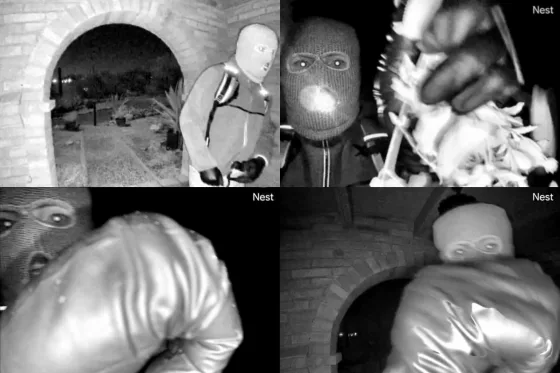
Digital Forensics Offers Clues in Nancy Guthrie’s Disappearance Case
Nearly five weeks have passed since Nancy Guthrie, mother of “TODAY” co-anchor Savannah Guthrie, was reported missing on February 1. As the search continues without a public suspect identified and DNA evidence presents challenges, digital forensics is emerging as a critical tool. Authorities have yet to detail their use of digital data, but experts like Heather Barnhart believe it holds the key to uncovering the truth.
Experts Highlight Digital Trails’ Importance
“People often overlook the extent to which their data spans multiple devices,” said Heather Barnhart, a digital forensics specialist with the SANS Institute and Cellebrite. “The very factors complicating investigations can also hinder criminals’ attempts to erase their tracks.”
Barnhart, who played a pivotal role in the University of Idaho murders case, noted that smartphones serve as silent witnesses to daily life. “Your phone knows everything you do,” she explained. “Identifying deviations in behavior, such as altered digital footprints, becomes essential in tracing someone’s actions.”
Challenges with DNA Evidence
Despite efforts, DNA collected from gloves found two miles from Guthrie’s home yielded no matches in CODIS, the FBI’s convicted offender database. Pima County Sheriff Chris Nanos remains optimistic, citing investigative genetic genealogy as a potential breakthrough. However, the lab processing the sample reported difficulties, leaving investigators to rely on other leads.
Guthrie’s family recently offered a $1 million reward, intensifying public concern. Nanos emphasized the team’s commitment, stating, “We’re not going to give up. We’re going to find Nancy, and we’re going to find out who did this.”
Digital Forensics: Beyond Physical Evidence
“Let’s really start combing every other bit of information that exists out there in the world,” said former Salt Lake City police chief Chris Burbank. “Most of the time, people involved in this leave some sort of social media trail.”
Barnhart stressed that digital evidence, including cell tower data, Wi-Fi logs, and cloud storage, can reveal patterns in a person’s routine. She recounted how, in the 2022 University of Idaho case, analyzing laptop and phone logs helped build a timeline against Bryan Kohberger. “He manually powered down a device at 100% battery shortly before the murders, creating a clear sequence of events,” she noted.
Potential for Digital Insights
As the Guthrie investigation progresses, digital forensics could provide clarity. Analysts might uncover hidden traces through technology like license plate readers or social media activity. “Eventually, when digital evidence becomes available, it will paint a picture of truth,” Barnhart concluded. This approach underscores the evolving role of technology in solving mysteries, even when traditional methods fall short.
