
Digital forensics could be the tool that helps ‘paint a picture of truth’ in the Guthrie case
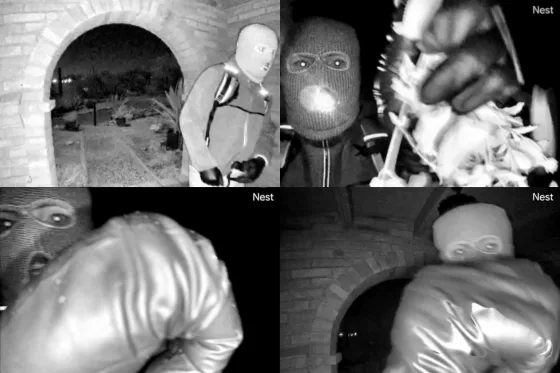
Digital forensics could be the tool that helps ‘paint a picture of truth’ in the Guthrie case
With no public suspect identified in the Nancy Guthrie disappearance case, investigators are increasingly turning to digital forensics to uncover hidden clues. The 84-year-old woman, mother of “TODAY” co-anchor Savannah Guthrie, has been missing for nearly five weeks. Despite challenges with DNA evidence, experts believe digital data might reveal critical insights into her whereabouts and the person responsible.
Heather Barnhart, a digital forensics expert affiliated with the SANS Institute and Cellebrite, emphasized that digital trails can be invaluable. “People forget how much their data spreads across devices,” she said. “So the same thing that complicates investigations also hinders criminals from erasing their footprints.” Barnhart played a key role in the 2022 University of Idaho murders, where Bryan Kohberger received four life sentences. However, she is not directly involved in the Guthrie case.
“Your phone is the silent witness to your life. It knows everything you do,” Barnhart added. “Forming those patterns and then spotting anomalies can help reveal someone trying to conceal their digital presence.”
Pima County Sheriff Chris Nanos has expressed optimism about using investigative genetic genealogy, a technique that merges DNA analysis with genealogical research. Despite challenges with the DNA sample from gloves found two miles from Guthrie’s home, which failed to match any profiles in the FBI’s CODIS database, authorities remain committed to pursuing leads.
A $1 million reward has been offered by Guthrie’s family, reflecting growing concern as the search continues. While physical evidence remains a focus, Chris Burbank, a former Salt Lake City police chief, highlighted the potential of other data sources. “Let’s really start combing every other bit of information that exists out there in the world,” Burbank suggested. He argued that social media activity often leaves a trail for investigators to follow.
“Most of the time, people involved in this leave some sort of social media trail,” Burbank noted.
Barnhart explained that digital forensics examines data from a wide range of sources, including cell towers, Wi-Fi logs, and cloud storage. “Your phone is a really smart device,” she said. “Locations you’ve traveled to, times you switch it to airplane mode, or when you enable Do Not Disturb—these details can expose irregularities in a person’s routine.”
In the 2022 University of Idaho murders, Barnhart’s team analyzed logs from a suspect’s devices. “Initially, the lack of evidence freaked everyone out,” she recalled. “But by focusing on the laptop and phone logs, we built a timeline showing Bryan Kohberger manually powered down his device at 100% battery, which aligned with the time of the crime.”
Barnhart stressed that digital evidence could ultimately clarify the mystery. “When it becomes available, it will paint a picture of truth,” she said. This might come through identifying a suspect, a license plate reader detecting clues, or other technological methods that track digital footprints.
