
Diabetics who rely on glucose monitors are alarmed by recall linked to 7 deaths
Abbott Recall Sparks Concern Among Diabetics
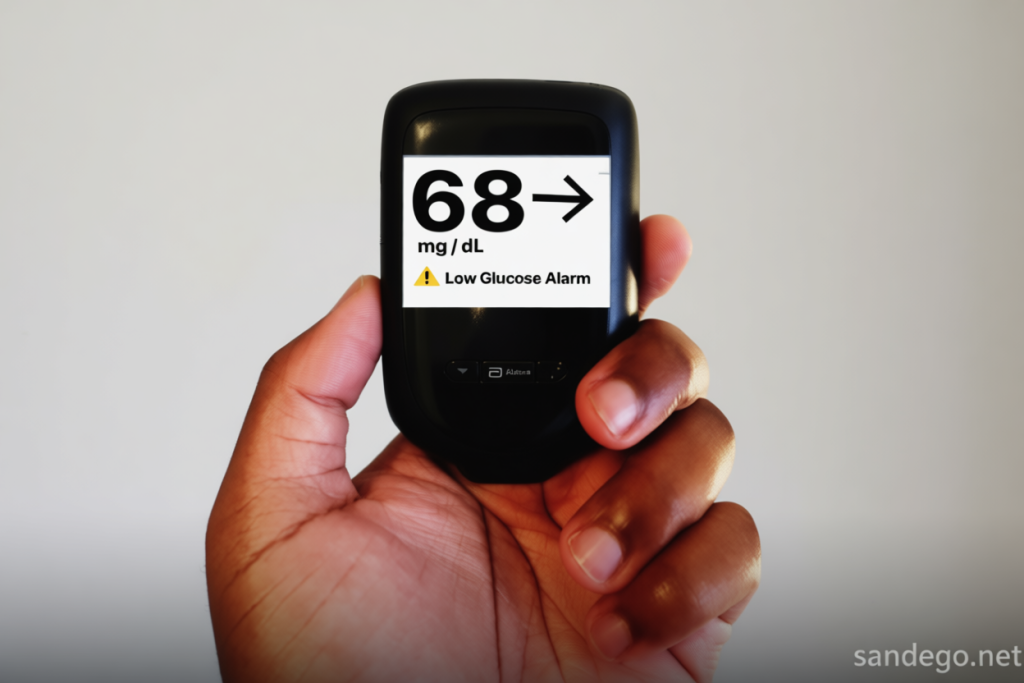
Michael Ford, a 68-year-old man with Type 2 diabetes, relied on his son Davonte Ford as his full-time caregiver. Davonte handled routine tasks such as bathing, administering medications, and responding to blood sugar fluctuations. One November morning, the pair awoke to a low blood sugar alert from Michael’s FreeStyle Libre 3 Plus sensor, a product of medical company Abbott. Davonte trusted the reading, as advised by healthcare professionals, and administered fast-acting carbohydrates to stabilize his father’s condition.
Eight days later, Abbott issued a warning about a potential flaw in its glucose monitoring system. The company reported that approximately 3 million FreeStyle Libre 3 and Libre 3 Plus sensors could produce false low readings, resulting in seven deaths and over 730 serious injuries worldwide. Davonte, who had recently filed a lawsuit, described the readings as “catastrophically inaccurate.”
On the day of the incident, Michael’s blood sugar levels fluctuated despite Davonte’s efforts to correct them. A cup of coffee with added sugar only slightly raised his levels, which then dipped again. Concerned by the persistent readings around 68 mg/dL, Davonte gave Michael a sweetened tea and a cookie. Michael’s condition deteriorated, with slowed speech and heavy eyelids. When paramedics arrived, they found Michael’s blood sugar at 551 mg/dL—over three times the expected level. “My heart just dropped,” Davonte said, “Obviously, there’s a problem here.”
Legal Action and Broader Implications
Michael’s death, which occurred in the hospital ICU, is not included in Abbott’s tally of 860 reported injuries. His sensor was from a recalled batch, but his specific serial number was not listed. The company’s spokesperson, Lindsy Delco, acknowledged the tragedy, stating Abbott takes adverse events seriously and investigates them thoroughly. She noted that not all sensors in each batch were faulty, and not every incident is tied to the recall.
The faulty readings were attributed to a production line error, which Abbott claims was swiftly addressed. Despite this, at least three class-action lawsuits have been proposed in the U.S., with Davonte’s wrongful death case among them. Three other individuals in California, Washington, and North Carolina plan to sue, alleging harm from the device’s inaccuracies.
“When continuous glucose monitors debuted more than two decades ago, they were a ‘complete game changer’ for diabetes patients,” said Dr. Amy Warriner, an endocrinologist and professor at the University of Alabama at Birmingham’s medical school. “An alternative to tedious finger sticks, they provide real-time data, but their reliability is now under scrutiny.”
