
Civil rights icon Cesar Chavez abused girls and women, according to explosive new allegations
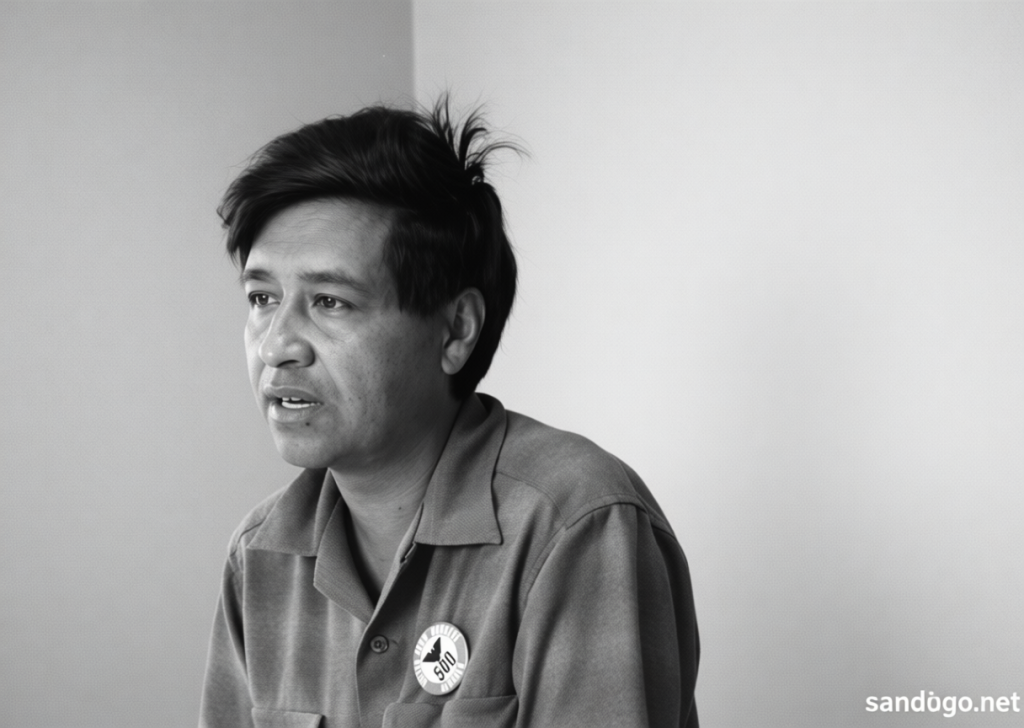
Civil rights icon Cesar Chavez abused girls and women, according to explosive new allegations
The late Cesar Chavez, a leading figure in the nation’s civil rights movement, faces new allegations of sexual abuse against girls and women. Dolores Huerta, a civil rights icon and co-founder of the United Farm Workers, claims Chavez manipulated and pressured her into sexual relations during their early years together. In a second incident, she says she was compelled to have sex with him “against my will” in a situation where she felt trapped.
“The first time I was manipulated and pressured into having sex with him, and I didn’t feel I could say no because he was someone I admired, my boss, and the leader of the movement I had already devoted years to,” Huerta stated. “The second time I was forced, against my will, and in an environment where I felt trapped.”
Huerta first disclosed her claims to the New York Times, which published an investigative report Wednesday. The piece cited accounts from her and two other women, who alleged they were 13 and 15 when Chavez first sexually assaulted them. The newspaper conducted interviews with over 60 individuals, including former aides, family members, and UFW members, and examined union documents, confidential emails, photographs, and recordings of UFW board meetings.
Chavez, a Mexican American, is among the most revered Latinos in U.S. history, serving as an inspiration to countless activists. His work championed equality for Mexican Americans, the largest Latino group in the country, and for farmworkers. He passed away in 1993, leaving a legacy honored at the highest levels of government, with streets named in his memory and a symbol of enduring social justice efforts.
Chavez Family Reacts with Shock and Sorrow
A statement from the Chavez family expressed dismay at the revelations. “Our family is shocked and saddened to learn of news that our father, Cesar Chavez, engaged in sexual impropriety with women and minors nearly 50 years ago,” the family wrote. “As a family steeped in the values of equity and justice, we honor the voices of those who feel unheard and who report sexual abuse. This is deeply painful to our family. We hope these matters are approached thoughtfully and fairly.”
The family requested privacy and understanding, adding, “We will process and be responsive to the experiences of others as we hold cherished memories of our father. We hope these conversations are approached with care, fairness, and compassion for everyone involved.”
Delia Garcia, a former Kansas state labor secretary and Huerta’s mentee for 26 years, shared her emotional reaction to the allegations. When contacted by NBC News, she cried, revealing her family has displayed Chavez’s photos alongside Huerta’s throughout their home. “Chavez’s photos will be coming down,” she said, emphasizing her solidarity with Huerta and other survivors of his alleged abuse. “This is another reason why we can’t let people suffer in silence, whether it’s farm workers or survivors of abuse.”
Legacy and Impact of the Allegations
According to Huerta, both encounters with Chavez resulted in pregnancies, which she kept secret. She arranged for the children to be raised by other families, believing they could provide more stable lives. “The knowledge that he hurt young girls sickens me. My heart aches for everyone who suffered alone and in silence for years,” she said.
The New York Times noted it could not fully verify Huerta’s claims, yet the allegations have already sparked cancellations of Cesar Chavez Day events in several communities. March 31, Chavez’s birthday, was designated as a national holiday by President Barack Obama in 2014, and in California, it is a state observance. The Cesar Chavez Foundation responded Tuesday, acknowledging “very troubling allegations” and warning that “very young women or girls may have been victimized.”
Though Huerta did not comment directly with NBC News, her statement was provided by a spokesperson. Suzanne Gamboa, a national reporter for NBC News, contributed to the coverage of this story.
