Why Can’t We Just Get Rid of Mosquitoes? One Fed-Up Community Is Trying
Sandego.net – For Michelle Mingrone, the summer months in Washington, DC’s Capitol Hill neighborhood have become a relentless struggle against biting insects. As a dedicated gardener, she often found herself trapped indoors, dodging swarms of mosquitoes that seemed to thrive in the humid air. These pests, with their needle-like proboscises, not only left itchy welts but also posed a risk of transmitting diseases like malaria, Zika, or West Nile virus. “They’re intolerable. You can’t step outside without being targeted,” Mingrone said, expressing frustration over the annual battle. Her hope was to create a safer outdoor environment for her children, who she wanted to enjoy the natural world. When she reached out to the local government in February, she discovered that the district’s mosquito control program was underfunded, relying on a single full-time specialist with occasional support. Mingrone realized that if she wanted her yard—and the yards of her neighbors—to become mosquito-free, the community would need to take charge.
A Grassroots Solution Takes Flight
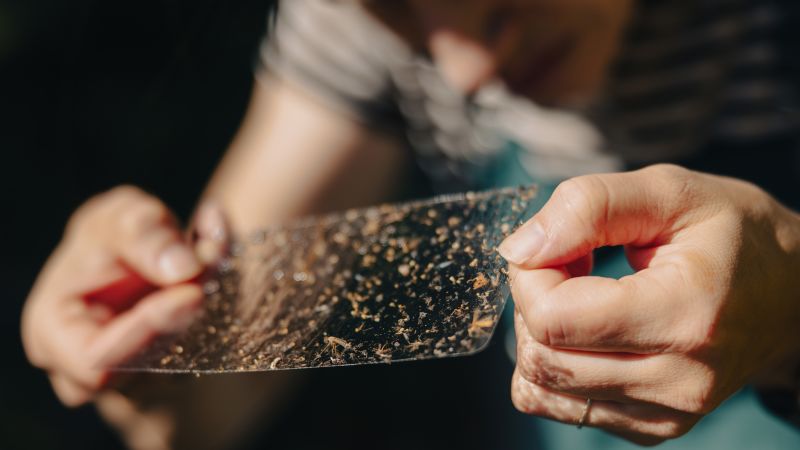
Mingrone’s resolve led her to share a message on a local parenting listserv in March. Her post, titled “Mosquito Season Is Here. Let’s Take Action,” captured the growing discontent among residents. “I’m determined to do something about it this year,” she wrote, urging others to join her efforts. Her plan was inspired by a Maryland initiative that used a pesticide-free approach to combat Asian tiger mosquitoes. Instead of relying solely on chemical sprays, which she noted could harm beneficial insects like bees and dragonflies, Mingrone proposed a community-driven strategy. The key, she argued, was collective participation. “Mosquitoes don’t care about property lines,” she emphasized, explaining that a coordinated effort would be more effective than isolated actions.
“Want in?” she asked, sharing a link to an interest form and a dedicated email address.
The response was overwhelming. Within four days, Mingrone received 600 sign-ups, far exceeding her initial goal of 40 households. This led to the formation of the Itty Bitty Mosquito Population Committee, a volunteer group committed to reducing local mosquito numbers through non-toxic methods. Mingrone, who admitted she hadn’t anticipated such rapid support, described the initiative as a grassroots movement fueled by shared concern. “I knew mosquitoes were a problem, and people were frustrated,” she said. “But the scale of the response surprised me. I just decided to go with it.”
Climate Change and the Global Mosquito Crisis
While Mingrone’s efforts were localized, the mosquito problem is growing worldwide. Climate change has altered weather patterns, extending warm temperatures and creating new habitats for these insects. As a result, mosquitoes are now found in nearly every corner of the planet, far beyond their traditional strongholds in South America, Central America, and Africa. The World Mosquito Program reports that countries in Europe have seen a rise in mosquito populations and the diseases they carry, including malaria, dengue, Zika, and chikungunya. In Germany, extreme flooding in 2024 led to a tenfold increase in mosquito numbers, while even Iceland—once considered mosquito-free—reported sightings in 2025.
Dr. Daniel Markowski, a technical adviser for the American Mosquito Control Association, highlights the challenge: “Municipal mosquito control efforts in the U.S. haven’t kept pace with the changing climate,” he said. “Areas like Miami and South Texas have robust programs, but newer regions in the Northeast, Mid-Atlantic, and Midwest are struggling with limited resources.” These places, once safe from mosquitoes, are now facing unprecedented infestations. Markowski warns that as temperatures rise, mosquito seasons are starting earlier and lasting longer, allowing more time for disease transmission. “Mosquitoes are shifting their distribution and frequency, bringing illnesses to areas that lack effective control measures,” he added. “That’s a real concern.”
The Role of Mosquitoes in Ecosystems
Despite their nuisance, mosquitoes play a vital role in the environment. According to experts, there are nearly 3,700 species worldwide, many of which are not harmful to humans. These insects serve as pollinators, feeding on plant nectar for energy, and contribute to the food chain by providing sustenance for predators like dragonflies, birds, bats, and fish. “Most mosquitoes depend on other animals for their meals,” said Markowski. “Only a few species have evolved to prefer human blood.”
However, the few species that do bite humans are responsible for devastating health impacts. They cause an estimated 700 million illnesses and 1 million deaths annually through diseases such as malaria, dengue fever, Zika virus, and West Nile virus. In 2024, Dr. Anthony Fauci, former director of the National Institute of Allergy and Infectious Diseases, shared a personal account of being infected with West Nile virus from a mosquito in his own backyard. The experience left him fatigued, feverish, and delirious, underscoring the serious threat these pests pose.
Mingrone’s community initiative is a small but significant step in the fight against mosquitoes. While chemical sprays offer temporary relief, they disrupt ecosystems by eliminating non-target species. Her pesticide-free approach, which includes eliminating breeding sites and using natural repellents, aims to address the root of the problem. “This isn’t just about getting rid of mosquitoes,” she explained. “It’s about creating a sustainable solution that protects both people and the environment.”
As mosquito populations continue to surge, the need for innovative strategies becomes urgent. From Capitol Hill to global cities, the battle against these tiny invaders is evolving. Whether through community-led efforts or scientific advancements, the goal remains the same: to reduce their impact without harming the delicate balance of nature. For Mingrone, the journey has been both exhausting and rewarding. “We’re making a difference,” she said. “Even if it’s just one step at a time.”
With climate change reshaping the world, the fight against mosquitoes is no longer a local issue—it’s a global one. As temperatures rise and habitats expand, these insects will continue to challenge public health. But initiatives like Mingrone’s remind us that collective action and ecological awareness can pave the way for solutions. The question isn’t just about getting rid of mosquitoes. It’s about understanding their role, adapting to their presence, and finding ways to coexist without suffering their bites.