Heat Hazards at the World Cup: Expert Insights on Fan and Worker Safety
Sandego.net – As the World Cup intensifies, medical professionals are raising alarms about the heat’s impact extending far beyond the players. While the focus often remains on the athletes, the extreme conditions at certain venues could threaten the health of millions of spectators and thousands of workers. The summer heat, though familiar, poses unique challenges in locations where open-air stadiums dominate the landscape, leaving fans and laborers vulnerable to severe discomfort and potential health risks.
The Riskiest Venues: A Tale of Two Climates
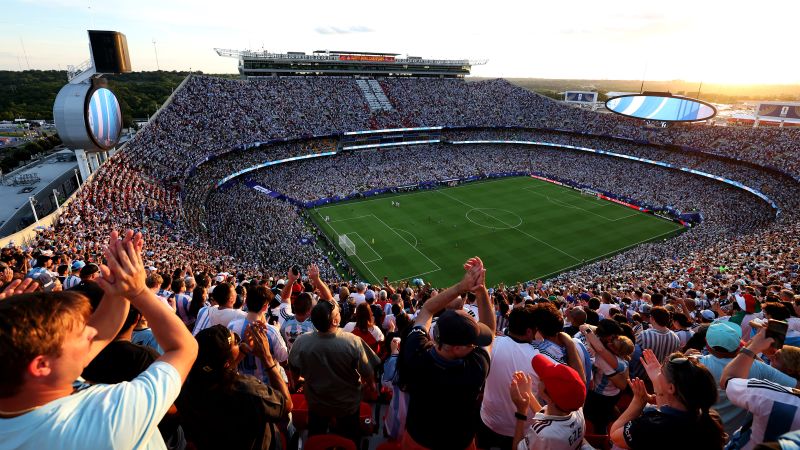
In the United States, the three host cities of Miami, Kansas City, and Philadelphia have drawn particular attention due to their exposure to high temperatures and humidity. Unlike Atlanta, Houston, and Dallas, which offer air-conditioned indoor venues, these three cities rely on outdoor stadiums. This setup creates a heightened risk for attendees, as the combination of heat and humidity can lead to dangerous conditions. Dr. Fabian Arous, a sports medicine specialist at the Children’s Health Andrews Institute for Orthopedics and Sports Medicine, emphasized that the “very high heat” and “very high humidity” in these locations could expose fans to significant challenges.
“There are two things we worry about: heat exhaustion and, more severely, heat stroke,” said Dr. Douglas Casa, a professor at the University of Connecticut and CEO of the Korey Stringer Institute. Casa, who studies the effects of heat and hydration on athletes, military personnel, and laborers, noted that spectators and workers are more susceptible to heat-related illnesses than the players themselves.
Players benefit from advanced medical support, cooling breaks, and controlled environments, but the people behind the scenes—security, concessions, construction, and fans—may not have the same level of protection. “The majority of people were presenting with some mild heat-related illnesses, mild heat exhaustion,” reported Dr. Kathleen Faccio, an emergency medicine physician at Jefferson Abington Hospital and event medicine specialist. Her team was on standby during Sunday’s match between Ivory Coast and Ecuador in Philadelphia, where temperatures exceeded 90 degrees.
Historical Context: Learning from the 2022 Qatar Tournament
The 2022 FIFA World Cup in Qatar became a focal point for heat-related concerns, with migrant laborers facing life-threatening conditions before the event. Held in November and December, the tournament’s venues were largely covered and temperature-controlled, which mitigated some risks. However, this year’s edition, taking place in the U.S., Canada, and Mexico, sees most matches occurring in open-air settings, potentially making it the hottest World Cup in history.
“This could be the hottest World Cup in history,” Casa warned. He highlighted the importance of proactive measures, as the risk to non-athletes is often overlooked. “Spectators and workers are at a higher risk than the athletes,” he explained, underscoring the need for awareness beyond the field.
Dr. Hany Atallah, chief medical officer at Jackson Memorial Hospital, confirmed that Miami’s seven matches are being supported by the Jackson Health System and FIFA’s medical team. “Heat is certainly on our concern list,” Atallah said, noting the preparation of on-site medical facilities to address emergencies. “We’re making sure we have the right supplies available. If someone needs IV fluids or other care, we’re ready to respond.”
Preparing for the Heat: Medical Strategies and Symptoms
Heat exhaustion, the most common issue reported, manifests in various ways, including headaches, nausea, fatigue, and muscle cramps. Dr. Faccio, who collaborates with FIFA’s medical team during Philadelphia’s matches, described the symptoms as “a myriad of signs” that require immediate attention. “We’re gearing up for the next several matches and will ensure IV fluids are among our on-site supplies,” she said, adding that her team is anticipating a surge in heat-related cases, especially as fans gather in parking lots for tailgating events.
During the match in question, the increase in heat complaints was subtle but notable. “The temperatures were well above 90,” Faccio explained, emphasizing the need for vigilance even before the game begins. Her colleagues were actively managing the situation, with two medical areas within the stadium staffed by physicians to assist fans. “I do anticipate that even before the game starts, we’ll have some patients,” she said, reflecting on the growing number of attendees and their exposure to the elements.
Challenges Beyond the Field: A Broader Health Impact
The heat’s effects ripple through the entire event, influencing not just the players but also the infrastructure and logistics of the tournament. Dr. Casa pointed out that outdoor venues, especially in the U.S., may create conditions where workers and spectators are less prepared. “The people who make the World Cup possible—security guards, concession staff, construction workers—are often in the heat for extended periods without the same access to cooling measures,” he said.
Experts stress that awareness is key to preventing serious complications. “We need to ensure fans are hydrated, wear appropriate clothing, and take breaks,” Arous advised. He also highlighted the importance of monitoring conditions in real time, as temperature fluctuations can catch individuals off guard. “Heat stroke is a critical concern, and early intervention is vital,” he added, noting that even mild symptoms should not be ignored.
Global Lessons and Local Actions
The 2022 Qatar tournament serves as a cautionary tale, showcasing how extreme heat can affect both athletes and laborers. While the U.S. venues have air-conditioned alternatives, the open-air stadiums in Miami, Kansas City, and Philadelphia may present similar challenges. Dr. Casa, whose institute focuses on heat and hydration impacts, emphasized that the 2026 event could be a test for global health protocols. “We’re not just watching the games—we’re watching for signs of heat stress in every corner of the event,” he said.
Collaboration between local medical teams and FIFA’s global network is critical to addressing these concerns. In Philadelphia, Dr. Faccio’s team works alongside international experts to ensure comprehensive care. “We’re coordinating closely to adapt to the unique conditions of each venue,” she said. This partnership aims to provide timely relief and education to attendees, particularly those who may not be accustomed to such heat.
What Fans and Workers Can Do
For fans and workers, the advice from health professionals is clear: stay hydrated, take frequent breaks, and monitor for early symptoms. “Families tailgating in parking lots might not realize how quickly the heat can take a toll,” Faccio warned. She urged attendees to bring water, wear light clothing, and avoid prolonged exposure, especially during peak hours. “Even before the game starts, we’re seeing people affected,” she said, highlighting the need for proactive measures.
Meanwhile, medical teams at Miami Stadium are reinforcing their preparedness, with supplies like IV fluids and emergency equipment on standby. “We’re not just treating symptoms—we’re preventing them,” Atallah stated. His team is also working with EMS to ensure rapid transport for those requiring more intensive care. “The goal is to minimize the impact of heat on everyone involved,” he said.
As the World Cup unfolds, the combination of excitement and extreme conditions creates a unique environment for health challenges. While the athletes have access to elite support, the broader community of fans and workers must also take steps to stay safe. “Heat, travel, and sleep can challenge teams as much as the opposition,” Casa noted, framing the issue as a multifaceted one. With careful planning and awareness, the 2026 tournament can serve as a model for future events, balancing competition with health and safety.