
Parents Track Their Adult Children for Safety. Is It Really Safer?
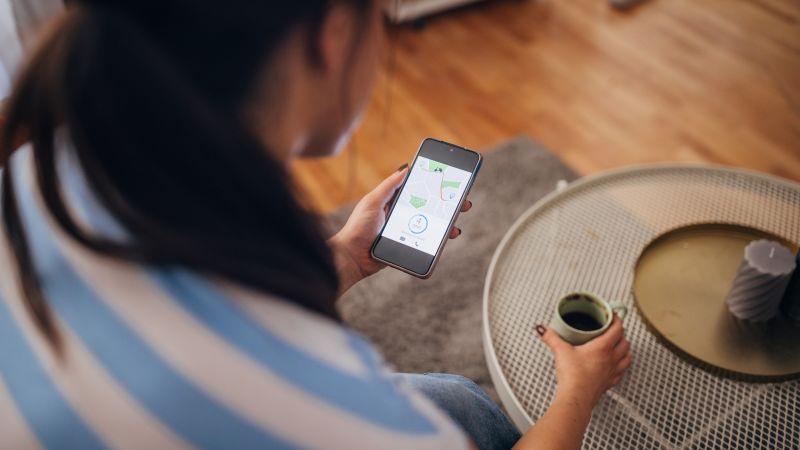
Sandego.net – As adult children navigate life independently, many parents turn to digital tools to monitor their whereabouts. This practice, once reserved for younger children, now extends to teenagers and young adults. A recent poll conducted by the C.S. Mott Children’s Hospital at the University of Michigan reveals that over half of parents use location tracking to stay connected with their grown children. While this may offer reassurance, the question remains: does it truly enhance safety or create new challenges for autonomy?
The Rise of Digital Surveillance
The survey, which gathered responses from more than 1,500 parents with children aged 18 to 25, highlights a growing reliance on technology for oversight. Nearly a quarter of respondents admitted that tracking their adult children sometimes deepened their anxieties rather than easing them. “Digital tracking can create a constant stream of worry,” explained Kara Alaimo, a CNN contributor and communication professor at Fairleigh Dickinson University. “It removes the broader context needed to interpret a situation accurately.”
“Tracking doesn’t automatically translate to understanding,” said Sarah Clark, a research scientist at the University of Michigan and co-director of the Mott poll. “Parents might think they’re offering protection, but they’re often just responding to their own fears.”
Clark also pointed out that while 68% of parents use tracking to alleviate concerns, 64% primarily rely on it for emergency preparedness. However, only 17% cite it as a tool for enforcing behavioral expectations. “This suggests tracking is more about parental comfort than ensuring the child’s safety,” she noted. The practice, she argued, can reflect an ongoing need for control despite the child’s legal independence.
Striking a Balance Between Safety and Autonomy
Experts caution that overreliance on tracking may hinder young adults from developing self-reliance. “When parents micromanage without clear boundaries, it can undermine the child’s ability to make independent decisions,” Alaimo said. This dynamic may not only strain relationships but also delay the growth of critical thinking skills. “Even if a child makes a risky choice, knowing their location alone doesn’t address the underlying issue.”
“Tracking should complement, not replace, a child’s own judgment,” Clark added. “It’s about being present when needed, not constantly monitoring every move.”
Some parents defend the practice, citing scenarios like monitoring a child’s first date or checking in during a road trip. Yet, Alaimo emphasized that tracking should serve as a backup, not the main strategy. “We should teach young adults to evaluate risks themselves, rather than depend on parents to do it for them,” she suggested.
Communication as the Foundation of Trust
Open dialogue between parents and adult children plays a vital role in shaping the effectiveness of tracking. While most participants in the poll acknowledged their children were aware of the practice, only half of the parents made it optional. “This lack of input can feel like an intrusion,” Clark observed. “It’s important for parents to discuss their motivations and involve the child in decisions about their privacy.”
Parents are encouraged to establish clear expectations and boundaries. Alaimo highlighted that the transition from childhood to adulthood is a key moment for building trust. “If parents don’t collaborate on tracking strategies, it can appear as if they’re trying to control their child’s life rather than support them,” she said. This could foster resentment and reduce the practice’s positive impact.
“The goal isn’t to track every step, but to ensure the child feels supported in their choices,” Alaimo concluded. “Otherwise, tracking may become a tool for anxiety rather than safety.”
As society evolves, so too must the approach to parental oversight. While tracking their adult children can provide peace of mind, it’s essential to recognize when it becomes a reflex rather than a necessity. Balancing technology with trust ensures safety without stifling independence, allowing young adults to grow into self-assured individuals.