Raw Milk’s Controversial Rise: A Farmer’s Defiance
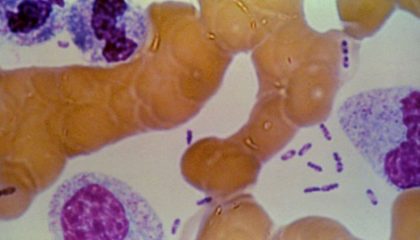
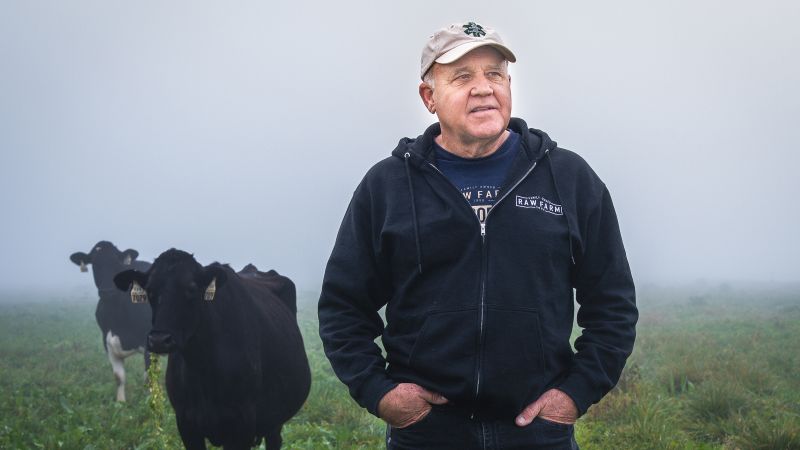
Sandego.net – Mark McAfee, a 64-year-old dairyman from California’s Central Valley, greets visitors with a firm handshake and a broad smile. His farm, Raw Farm, is a hub of activity, where the rhythmic clatter of milking machines and the scent of fresh pasture mingle. Yet, beneath this pastoral charm lies a story of controversy. McAfee’s raw milk, celebrated by many as a natural alternative to processed dairy, has become a source of public concern due to recurring outbreaks of salmonella and E. coli. Despite these risks, his enterprise continues to thrive, earning millions annually and challenging the role of regulatory agencies in safeguarding food safety.
A Legacy of Controversy
The journey of raw milk in America is one of scientific debate and cultural shift. For over a century, pasteurization has been the gold standard for eliminating harmful pathogens. Before this process was widely implemented, contaminated dairy products were responsible for thousands of infant deaths annually. Today, however, raw milk advocates argue that its unprocessed nature preserves vital nutrients and enzymes, offering health benefits that pasteurization erases. McAfee, a vocal proponent, claims his milk not only supports digestion but also provides relief for conditions like asthma, even suggesting it can be life-saving.
“I’ve put a couple kids in the hospital, and they have been sick, but they recovered,” McAfee acknowledged before my visit. “But here’s the thing: I’m a pioneer. And I’m going against the grain here. I’m climbing a mountain they say you can’t climb.”
McAfee’s farm, the largest raw-milk producer in the nation, generates around $30 million in annual revenue. This success is fueled by a growing consumer base that prioritizes perceived naturalness over scientific caution. The rise of wellness trends and skepticism toward institutional authority have amplified demand for raw milk, transforming it from a niche product into a mainstream staple. Over 10 million Americans now consume it weekly, with sales surging by 65% between 2023 and 2024 alone.
Political and Cultural Winds
The popularity of raw milk has been shaped by more than just health claims. A potent blend of political activism and cultural shifts has placed it at the center of a broader movement. Critics argue that health institutions are compromised by corporate interests, particularly Big Pharma and Big Food. This sentiment has emboldened raw milk advocates, framing their product as a symbol of freedom and resistance against industrialized food systems.
McAfee’s influence extends beyond his farm. In 2024, the Biden administration prepared to tighten regulations on raw milk, aiming to reduce outbreaks and protect public health. However, the arrival of President Donald Trump at the helm of the Food and Drug Administration and the Department of Justice marked a turning point. Trump’s appointees, including Robert F. Kennedy Jr., have shown favor toward raw milk, even supporting its promotion through policy initiatives. Kennedy, who ran for president in 2023, famously criticized the government’s “aggressive suppression” of raw milk, later using his position as Secretary of Health and Human Services to advocate for its benefits.
“They think we’re some kind of a fringe, weird trend, and we are dead serious here,” McAfee said after greeting me at his farm, which he runs with his adult children. “I’m not just selling milk—I’m selling the idea that it’s safe and healthy for your whole family.”
McAfee’s reputation as a trailblazer has shielded him from significant legal consequences. Over the past two decades, his business has been linked to more than a dozen recalls and outbreaks, leaving hundreds of people ill. Yet, the Federal Drug Administration and the Department of Justice have hesitated to enforce strict penalties, citing his longstanding defiance of regulatory norms. This leniency raises questions about the balance between innovation and safety in the food industry.
Science vs. Advocacy
While raw milk proponents highlight its natural qualities, the scientific consensus remains clear. Most health experts agree that pasteurization effectively reduces bacteria without compromising nutritional value. Raw milk, by contrast, carries a risk of foodborne illness up to 100 times higher than pasteurized milk. This risk is particularly acute for vulnerable populations, such as young children, the elderly, and immunocompromised individuals. Despite these warnings, the demand for raw milk persists, driven by a belief in its holistic benefits and a distrust of industrial food standards.
The recent discovery of bird flu in Raw Farm’s milk has not deterred customers. Instead, it has reinforced the idea that raw milk is a natural product, untouched by the interventions of modern processing. McAfee’s ability to navigate regulatory scrutiny and maintain his business’s credibility has made him a key figure in this movement. Yet, his success also underscores a broader trend: the government’s reluctance to curb raw milk sales, even as scientific evidence of its risks accumulates.
A Tug-of-War Over Trust
The conflict between raw milk advocates and health officials reflects a deeper struggle over trust. For McAfee, raw milk represents a return to tradition, a rejection of what he sees as overregulation. For scientists and public health officials, it symbolizes a threat to consumer safety, especially when outbreaks occur. This divergence has led to a stalemate, with the government often walking a fine line between supporting innovation and enforcing safety standards.
Raw Farm’s story is emblematic of this tension. Its customers include parents seeking alternatives for their children and health-conscious individuals drawn to the product’s purported benefits. Yet, the farm’s history of contamination and its continued operation under federal oversight have sparked debate. Some argue that the government’s tolerance for raw milk is due to political pressures, while others see it as a failure to protect public health. McAfee’s ability to align with influential figures like Robert F. Kennedy Jr. has further solidified his position in this contentious landscape.
As the demand for raw milk grows, so does the need for a robust regulatory framework. The question remains: how long can the government allow this product to thrive, even as it endangers those who consume it? McAfee’s defiance continues to challenge the status quo, proving that the battle over raw milk is far from over. For now, the mountain he claims to be climbing remains uncharted, and the debate over its safety will likely persist for years to come.