
Ferries in Europe emit more CO2 than 6.6 million cars. Which ports are the worst culprits?
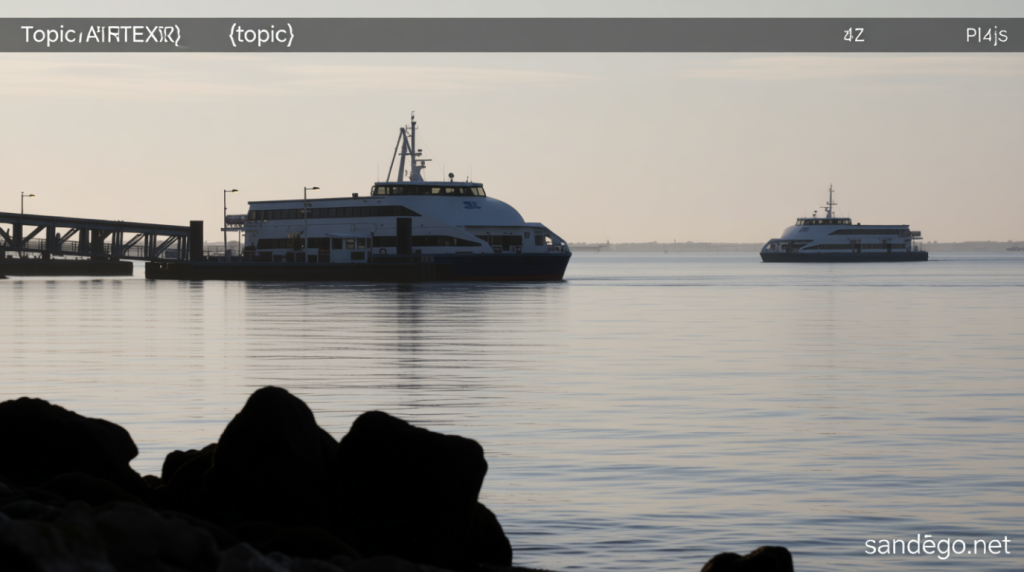
Ferries in Europe emit more CO2 than 6.6 million cars. Which ports are the worst culprits?
Study Reveals Ferry Emissions Impact
A recent analysis by the environmental organization Transport & Environment (T&E) reveals that fossil-fuel powered ferries are a significant source of pollution in European ports. Despite their role in linking mainland Europe with island regions, these vessels often emit harmful gases, challenging their reputation as a greener alternative to air travel.
CO2 Emissions Exceed Millions of Cars
According to the findings, 1,043 ferries across Europe released 13.4 million tonnes of carbon dioxide in 2023—equal to the annual emissions of 6.6 million vehicles. The study underscores the environmental toll, particularly in port cities where ferry activity contributes more toxic sulphur oxide emissions than all cars combined.
Regional Pollution Hotspots
Barcelona, Dublin, and Naples are identified as areas where ferry-related SOx pollution surpasses that of their car fleets. Dublin currently leads in ferry-induced SOx exposure, followed by Las Palmas in Gran Canaria and Holyhead in Wales. However, this ranking may shift in 2027 when new regulations target the North-East Atlantic, leaving the Canary Islands without such restrictions.
Regulatory Changes and Challenges
Starting May 1, 2025, the entire Mediterranean will be designated a Sulphur Emissions Control Area, mandating ships to use fuel with a sulphur content reduced to 0.10%. While this aims to improve air quality, the Canaries remain excluded, making Las Palmas the top emitter in 2027. The study also points out that charging infrastructure is a key hurdle for widespread electrification, but T&E suggests it’s manageable with smaller-than-expected investments.
Electrification Offers Promising Solutions
T&E highlights that the average age of Europe’s ferry fleet is 26 years, emphasizing the need for a “clean renewal.” Transitioning to electric or hybrid systems could cut CO2 emissions by up to 42%, enhance local air quality, and lower operational expenses. In Stockholm, a hydrofoil electric ferry trial demonstrated a 94% reduction in emissions and a 25-minute cut in travel time, showcasing the potential for efficiency gains.
“Ferries should connect communities, not pollute them,” says Felix Klann of T&E. “Too many ferries are burning polluting fossil fuels, pumping toxic air into Europe’s port cities.”
“Electric ferries are already cheaper to run on many routes, and more will become cost-competitive in the coming years,” adds Klann. “With the average age of ferries at 26 years, now is the time for a clean renewal.”
