Artists Bailing on Trump’s 250th Concert Series Sparks Controversy
Sandego.net – Artists are bailing on a Trump-backed concert series that was meant to celebrate America’s 250th anniversary. The event, initially planned as a cultural showcase by the nonpartisan United States Semiquincentennial Commission, has faced a dramatic shift in its lineup. Many top performers have withdrawn, citing concerns over the political alignment of the project. President Donald Trump has taken over as the host of the opening ceremony, marking a pivotal moment in the event’s evolution. The National Mall in Washington, D.C., is now set to host a more politically charged celebration than originally intended.
Freedom 250 Takes Over as Trump’s Vision Emerges
The White House-backed Freedom 250 initiative, launched by executive order, has replaced the original plan for the Great American State Fair. This move has sparked criticism from artists who felt their involvement was misrepresented. A spokesperson for Freedom 250 emphasized that Trump would “personally kick off this historic celebration,” positioning the event as a tribute to American patriotism. However, the lineup has since been reshaped, with many performers questioning whether the event remains neutral or has become a platform for Trump’s political agenda.
High-Profile Artists Distance Themselves from Trump’s Event
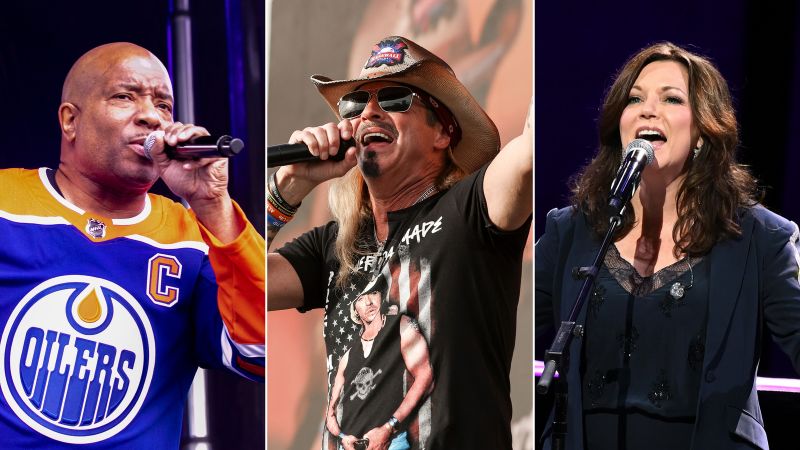
Several prominent acts have pulled out of the concert series, expressing unease over its political direction. The Commodores, Martina McBride, Morris Day and the Time, Bret Michaels of Poison, and Young MC are among those who have officially announced their exits. McBride, who gained fame in the 2000s, shared her decision in an Instagram post, stating,
“I was offered a chance to perform at a nonpartisan event, but that turned out to be misleading.”
Young MC, a veteran rapper, added,
“The artists were never informed about any political involvement with the event.”
This “bait-and-switch” approach has left the organizers scrambling to find replacements.
Other performers, such as Bret Michaels, have also voiced their dissatisfaction. In a social media post, he wrote,
“Unfortunately, what was presented to us as a celebration of our country has become something much more divisive than I anticipated.”
Michaels, who previously supported Trump during his 2010 run on “The Celebrity Apprentice,” mentioned that his team had received threats due to their potential participation. The artist withdrawals have raised eyebrows, with critics arguing that the event has lost its cultural impartiality and is now a vehicle for political messaging.
Booking Agent Ties Highlight Ideological Leanings
The event’s lineup has been scrutinized for its reliance on veteran performers, many of whom share a common booking agent. Jeff Epstein of Universal Attractions, who represents several of the original acts, has been at the center of the controversy. While Epstein has not commented on the situation, the selection of artists has sparked debates about the event’s alignment with Trump’s vision. The lineup includes figures like Vanilla Ice, the “Ice Ice Baby” rapper, who remains a steadfast Trump supporter. In a TikTok video, Vanilla Ice said,
“I’m super honored to do this concert.”
He also dismissed critics with humor, adding,
“We don’t take anything too seriously, man.”
Milli Vanilli’s Controversial Inclusion Deepens Debate
The infamous pop duo Milli Vanilli has added another layer of controversy to the event. Known for their Grammy-winning 1990 hit “Girl You Know It’s True,” the group was revealed to have used session vocalists for their recordings. Jodie Rocco, part of the real vocals team that worked with Milli Vanilli under the name “The Real Milli Vanilli,” expressed surprise at the group’s inclusion. “I was shocked that Milli Vanilli was listed as an act,” she said. Their participation has raised questions about the event’s credibility and whether it is leveraging nostalgic acts to support Trump’s political narrative.