Ariana Grande Condemns White House’s Use of Her Music in Immigration Campaign
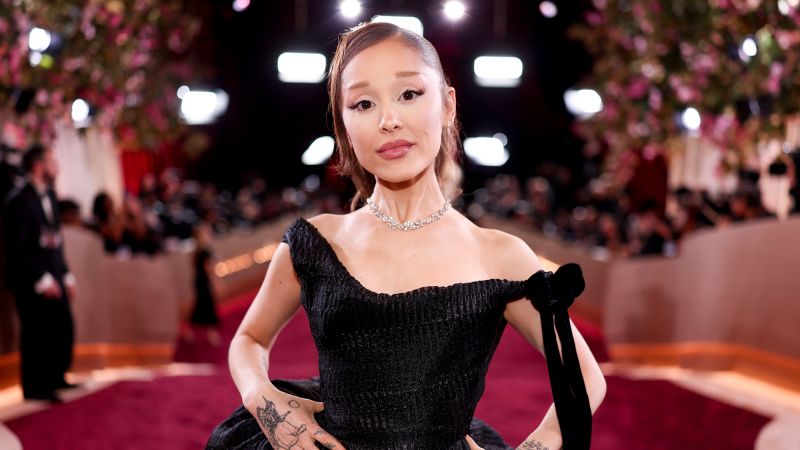
Sandego.net – Ariana Grande, the globally acclaimed pop star, has publicly expressed her disapproval of the White House’s decision to feature one of her tracks in a promotional video highlighting the administration’s immigration policy. The 14-second clip, which was posted on TikTok on Tuesday, depicts federal officers, including Immigration and Customs Enforcement (ICE) agents, handcuffing and arresting individuals. The video’s audio is set to Grande’s 2024 song “Bye,” a track known for its melodic rhythm and emotive lyrics. However, the song was later removed from the clip, leaving only silence or a different track in its place.
Political Messaging and Musical Choice
The video, captioned with the message “Bye-bye 👋 President Trump has delivered the most secure border in history,” serves as a tool to promote the administration’s stance on immigration. According to the BBC, the sound was initially “Bye,” which was selected to underscore the theme of separation and closure. Grande’s criticism, however, suggests she views the song’s use as a misrepresentation of her artistic message. Her comment on the TikTok video, published on Thursday, was directed at the White House’s decision to pair her music with the footage, which she described as “barbaric, inhumane, heinous nonsense.”
“Please do not use my music in relation to this barbaric, inhumane, heinous nonsense.”
The White House responded to Grande’s remarks via an email on Friday, citing spokesperson Abigail Jackson. In the statement, Jackson asserted that the video’s content—highlighting the actions of “criminal illegal aliens” who have “injured and murdered innocent American citizens”—was the true source of the “barbaric, inhumane, and heinous” behavior, not the song itself.
Grande, who has long been vocal about her political views, has previously used her platform to advocate for social justice causes. For instance, she wore an “ICE OUT” pin at the Golden Globes in January, a gesture that symbolized her criticism of the agency’s practices. This latest incident is part of a growing pattern where artists have taken issue with the White House’s use of their work to support policies they find controversial.
Artists Opposing Trump’s Messaging
Grande is not the first musician to challenge the White House’s decision to repurpose their music for political purposes. President Donald Trump, known for his signature style of using popular songs in campaign rallies, has drawn backlash from a variety of artists. Among them were ABBA, Adele, and John Fogerty, the lead singer of Creedence Clearwater Revival. ABBA, for example, once requested that the Trump campaign cease using their hit “Dancing Queen” during events that emphasized his immigration policies.
This trend of artist dissent has continued in recent years. A notable example occurred when a video shared by the White House and the Department of Homeland Security on Instagram encouraged people to “LEAVE NOW and self-deport.” The clip featured Olivia Rodrigo’s 2023 song “All-American Bitch,” which sparked immediate controversy. Rodrigo reportedly commented on the post, stating: “don’t ever use my songs to promote your racist, hateful propaganda.” Her message was later deleted, and the video’s audio was replaced with a different track.
Such instances highlight the growing tension between artists and political figures who incorporate their music into campaigns that may not align with their personal values. Grande’s comment, though briefly hidden, has reignited discussions about the role of music in shaping public perception of policies and the ethical considerations of using artists’ work without their consent.
Context of the Video and Public Reaction
The TikTok video, which was widely shared on social media, has become a focal point for debates about the intersection of art and politics. Critics argue that the selection of “Bye” adds an emotional layer to the imagery of detention, potentially framing the policy as more punitive or heart-wrenching than it is. Supporters of the administration, however, believe the music enhances the message of national security and order.
Grande’s response underscores her stance as an artist who is willing to take a stand on issues she deems important. Her use of strong language—“barbaric,” “inhumane,” “heinous”—reflects a personal connection to the impact of immigration policies on individuals. This aligns with her broader advocacy work, including her support for LGBTQ+ rights and her criticism of policies that target marginalized communities.
While the White House defended its choice, the video’s removal of the song and the subsequent deletion of Grande’s comment have raised questions about transparency. Some analysts suggest that the administration’s swift action to eliminate the song from the video indicates a desire to mitigate any potential backlash. Others argue that the removal of the sound was a strategic move to control the narrative surrounding the policy.
Historical Precedents and Cultural Impact
The use of music in political campaigns is not a new phenomenon, but the frequency with which it has sparked controversy in recent years reflects a shift in how artists engage with public discourse. Trump’s reliance on popular songs during rallies and promotional videos has made him a target for musicians across genres. From ABBA’s classic hits to contemporary pop tracks, the White House’s appropriation of these songs has often been seen as a way to resonate with a broad audience while aligning with its political messaging.
Grande’s situation echoes similar incidents involving other artists. For example, John Fogerty, whose band Creedence Clearwater Revival gained fame in the 1960s and 1970s, faced criticism for his support of Trump. Fogerty’s comments about the administration’s policies, combined with his use of songs like “Proud Mary” in campaign videos, highlighted the ongoing debate over the role of music in political advocacy. His remarks, much like Grande’s, were seen as a reflection of his personal beliefs rather than a purely artistic choice.
In addition to Grande and Rodrigo, other musicians have publicly opposed the White House’s use of their work. These artists have leveraged their influence to challenge the administration’s policies, often framing their critiques as extensions of their creative expressions. The trend underscores the power of music to evoke emotion and shape public opinion, even in the context of political campaigns.
Future Implications and Artist Autonomy
As the debate over the use of music in political messaging continues, artists like Grande are increasingly positioning themselves as advocates for their own creative autonomy. Her comment on the TikTok video, while brief, signals a willingness to confront the White House directly. This aligns with her previous actions, such as wearing the “ICE OUT” pin, which demonstrate her commitment to using her platform to voice her opinions on social issues.
The White House’s response to Grande’s criticism has also sparked discussions about the administration’s approach to public relations. By attributing the “barbaric” actions to the individuals being detained rather than the policy itself, the spokesperson appears to be shifting the focus away from the song and onto the broader implications of immigration enforcement. This strategy, however, has not quelled the controversy surrounding the video’s original soundtrack.
Grande’s case is emblematic of a larger movement among artists to assert control over how their work is used. In an era where social media amplifies public scrutiny, the ability to remove a song from a video or delete a comment can be seen as a key step in maintaining artistic integrity. While the White House may have succeeded in removing the song, the controversy it generated has already sparked conversations about the ethical responsibilities of political entities when using music in their messaging.
As the White House and other organizations continue to integrate popular music into their campaigns, the question of consent and alignment with the artist’s values will remain central to public discourse. Grande’s critique, though brief, serves as a reminder that music is not just a background element but a powerful tool that can carry significant cultural and political weight. Whether the administration’s use of her song was intentional or incidental, the incident has reaffirmed the importance of artists in shaping the narrative around policy and public opinion.