
With the US pressuring Cuba, a Castro known as ‘the Crab’ is making appearances. Here’s why it matters
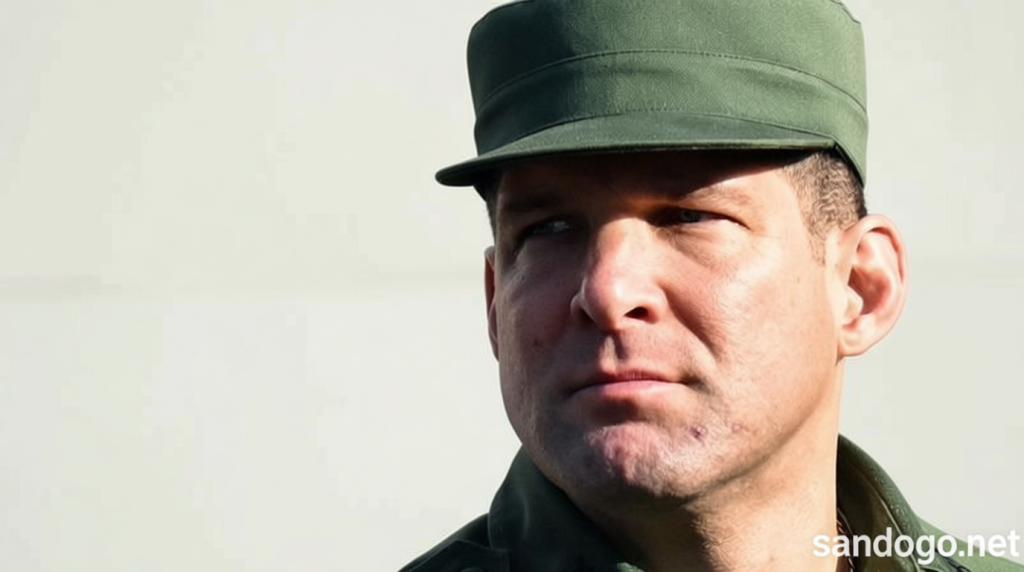
With the US pressuring Cuba, a Castro known as ‘the Crab’ is making appearances. Here’s why it matters
Raúl Guillermo Rodríguez Castro, the grandson of former Cuban President Raúl Castro, made his debut in public events with current President Miguel Díaz-Canel this week, sparking discussions among analysts about his growing influence. The timing of his visibility coincides with intensified US pressure on Havana, as Washington seeks to push the island toward political transformation. Analysts are questioning how this emerging figure fits into the country’s leadership framework amid mounting challenges.
Castro’s recent public appearances followed reports that he has been engaging with US officials, including Secretary of State Marco Rubio, through unofficial channels. While CNN has not confirmed these discussions with the State Department or Cuban government sources, the meetings suggest a potential shift in Cuba’s strategic approach. Díaz-Canel, during a press conference, acknowledged ongoing talks with the US, highlighting the administration’s efforts to ease economic strains imposed by decades of sanctions.
Castro’s Legacy and Family Ties
Raúl Guillermo, known by the nickname “Raulito” or “the Crab,” is the son of Débora Castro Espín, one of Raúl Castro’s daughters, and Luis Alberto Rodríguez López-Calleja, a former military commander. His father headed the Business Administration Group (GAESA), a network of state-controlled enterprises under the former president’s oversight. The group’s role in Cuba’s economy made it a key target of US sanctions, which have intensified in recent months.
“Raúl Guillermo, ‘el Cangrejo’ (the Crab), became head of Raúl’s personal security detail during his presidency, from 2008 to 2018,” said Sebastián Arcos, director of the Cuban Research Institute at Florida International University. “Eventually, he took charge of the Cuban equivalent of the Secret Service.”
Raúlito’s rise to prominence has been linked to the broader context of Cuba’s crisis. The communist government, weakened by sustained US economic pressure and internal mismanagement, is grappling with severe shortages, power outages, and declining tourism. These issues have created a backdrop of uncertainty, with many Cubans speculating about the future of the regime.
The situation worsened after the January 3 US operation that removed Venezuelan leader Nicolás Maduro. This move disrupted Cuba’s oil supply, as Maduro’s government had provided heavily subsidized fuel. Analysts note that Washington’s actions may aim to exploit Cuba’s vulnerabilities by fostering alliances with rival factions. The decision to leave Maduro’s allies in power, including allowing Vice President Delcy Rodriguez to assume interim leadership, hints at a strategic approach to destabilize Havana’s leadership.
While Raúlito lacks a documented history within the Communist Party, his familial ties and military background position him as a potential heir to the Castro legacy. His presence in high-profile events, including guarding his 94-year-old grandfather during meetings with Pope Francis and Russian officials, underscores his role as a figure of symbolic importance. As Cuba navigates its most challenging period in years, the question remains: how significant is the influence of this next-generation Castro in shaping the nation’s future?
