
Cuba is going dark under US pressure. How the crisis unfolded and why its troubles are far from over
Cuba is going dark under US pressure. How the crisis unfolded and why its troubles are far from over
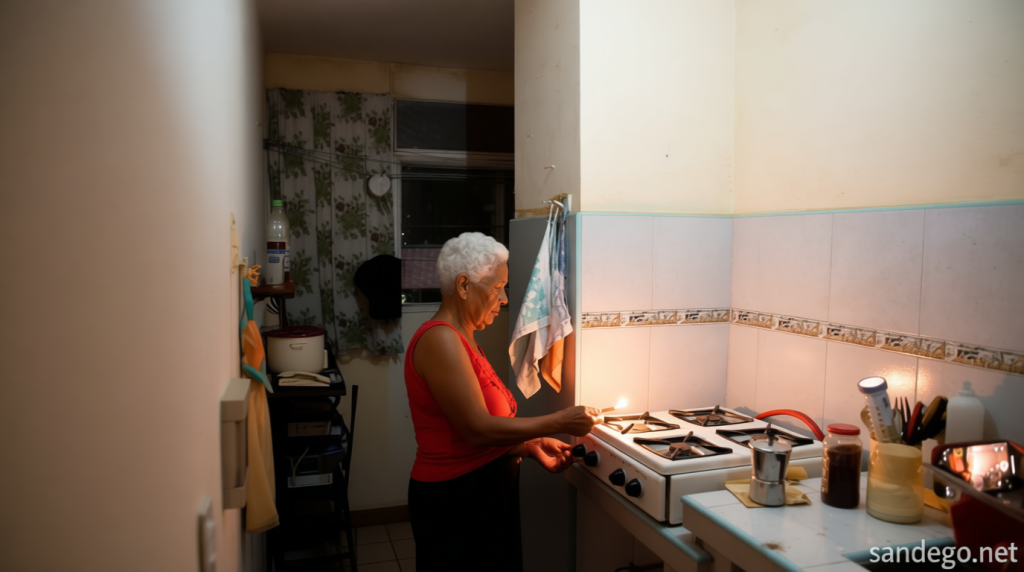
Nearly three months into the US oil blockade, Cuba’s daily life is increasingly disrupted. The measure has deepened the nation’s energy shortfall, leading to widespread challenges across society. Streets in Havana are littered with trash, medical procedures are delayed, and households rely on wood fires for heating. Power outages, already a frequent occurrence, have grown more severe, with the entire country experiencing a blackout in early March. President Miguel Díaz-Canel emphasized during a press conference that the government is actively working on solutions, though he acknowledged the task remains complex.
The Energy Crisis Deepens
Cuba’s energy woes trace back to the US embargo, which has cost the island “trillions of dollars” and hindered its “overall human development,” per a United Nations report. Despite global calls to ease the sanctions, the US has intensified its pressure. In January, the US halted Venezuela’s oil deliveries after capturing its leader in a military operation, forcing the acting government to stop shipments. Soon after, other suppliers like Mexico faced threats of additional tariffs, resulting in Cuba losing fuel sources. This has worsened an ongoing energy crisis, with power plants unable to operate due to insufficient oil reserves.
Public Protests Emerge
The crisis has ignited rare public demonstrations. On March 7, Havana residents gathered in streets, using pots and pans to signal frustration over the blackout. Days later, students at the University of Havana protested peacefully, citing disrupted studies due to power and internet shortages. A more intense incident occurred in Morón, where protesters damaged the Communist Party’s local headquarters. Authorities reported five arrests, linking the unrest to energy and food access issues.
Impact on Essential Services
Shortages are affecting more than just electricity and water. Antonio Rodríguez Rodríguez, head of the National Institute of Hydraulic Resources, noted efforts to reduce reliance on the grid, such as solar panel installations. However, hospitals struggle to function, with surgeries and stays limited. Public transport has also been reduced, causing long waits at stations and overcrowded buses. CNN has sought updates from the ministries of transportation and public health to assess the situation.
Human Rights Watch Concerns
“The humanitarian situation in Cuba was already extremely fragile, but the electricity crisis is pushing many essential services to the limit,” said Juanita Goebertus, Americas director at Human Rights Watch. “People don’t have reliable access to drinking water, hospitals can’t operate safely, basic goods are becoming increasingly difficult to obtain, and garbage is piling up in the streets.”
Díaz-Canel highlighted that the lack of power has disrupted critical operations, including surgeries and medical care. He also noted that garbage trucks, unable to collect waste due to fuel shortages, have left trash piling up in Havana. The government claims to be addressing the oil crisis by boosting domestic production, but the situation remains dire as the country grapples with multiple challenges.
