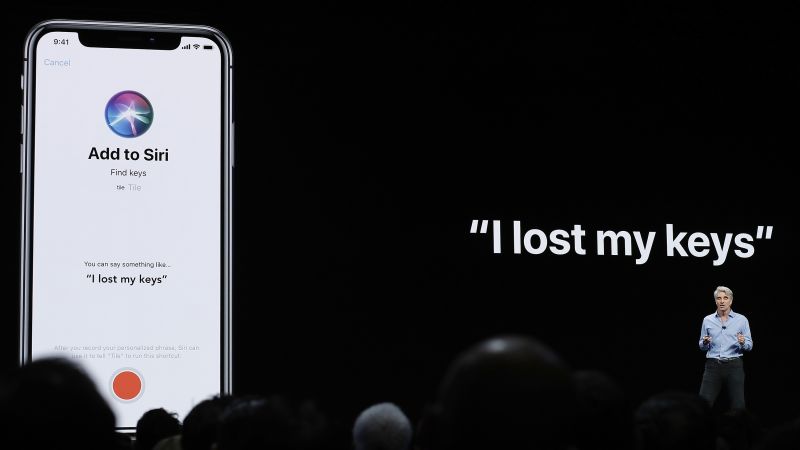
Apple’s Major AI Overhaul for Siri Finally Arrives
Sandego.net – After years of anticipation, Apple is launching a transformative AI update for its digital assistant, Siri. The company’s latest iteration, dubbed Siri AI, marks a significant shift from its previous iterations, aiming to position the 15-year-old assistant as a competitive player in the rapidly evolving AI landscape. This update, announced during a recent event, is expected to roll out in beta later this year, offering users a range of new capabilities that could redefine how they interact with their iPhones.
A New Era of Smart Assistant Functionality
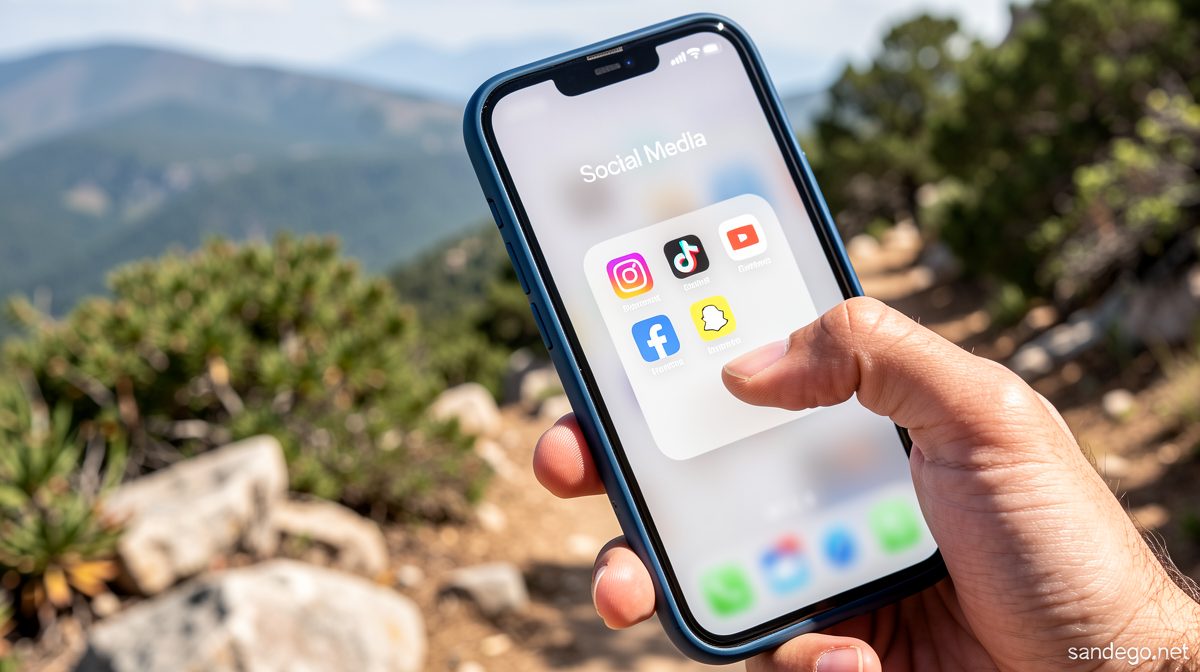
The revamped Siri AI introduces features designed to make the assistant more proactive and context-aware. Apple claims the update will enable the assistant to better manage app operations, interpret visual data from the iPhone’s screen, and tailor responses based on personal information. For example, users might ask Siri to analyze their current screen activity or pull details from recent messages, such as a friend’s new address. These enhancements are intended to make Siri not just a tool for answering questions, but a seamless integration into the iPhone’s ecosystem, working behind the scenes to assist with everyday tasks.
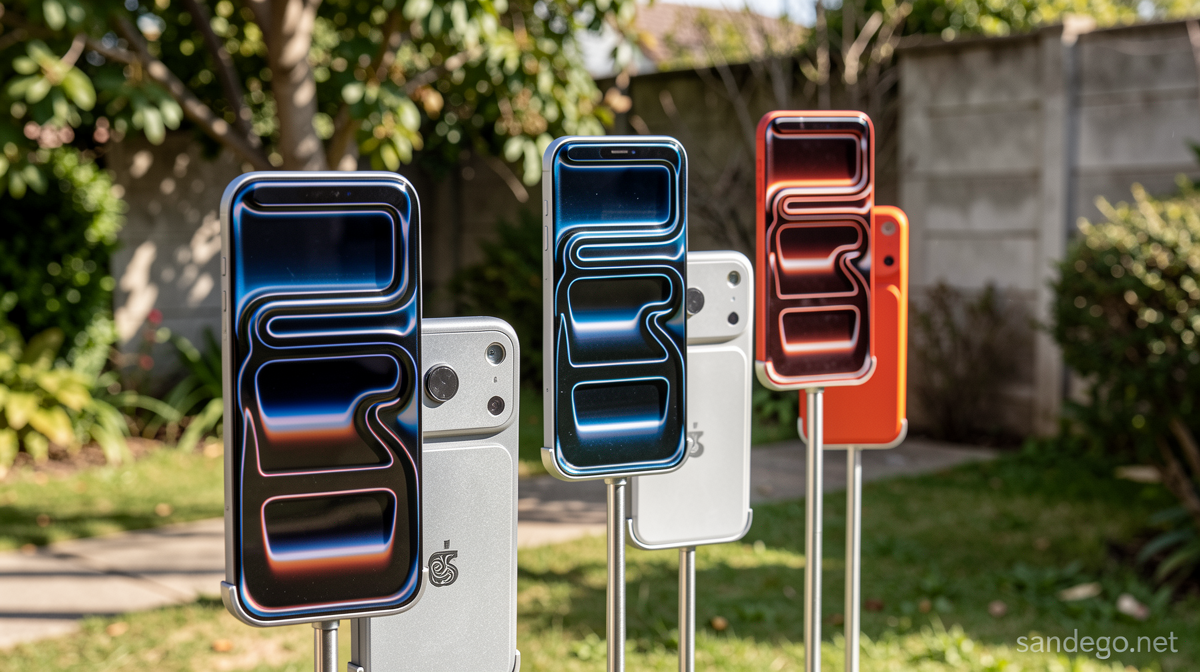
One of the standout capabilities is the ability to customize Siri’s voice to sound more expressive, a feature that could appeal to users looking for a more natural interaction. Additionally, Siri AI will support more accurate voice dictation, potentially improving user experience for those relying on hands-free input. These functions, however, are limited to Apple’s top-tier devices: the iPhone Air, iPhone 17 Pro, and iPhone 17 Pro Max. According to Morgan Stanley estimates, over 1.3 billion iPhones currently in use lack the processing power or memory to run these advanced features, which may affect widespread adoption initially.
Monetizing AI: A Crucial Test for Apple
While the technical upgrades are impressive, Apple faces a significant challenge: proving that consumers will pay for these AI-driven features. Analysts have been skeptical about the company’s ability to monetize its AI initiatives effectively. Barclays, in a research note following the event, noted that previous updates to Siri felt more evolutionary than revolutionary, and the firm continues to view Apple as a laggard in AI with no standout applications and a questionable strategy for generating revenue from its AI tools.
“Updates felt more evolutionary vs revolutionary, and we continue to view (Apple) as a laggard in AI with no killer apps and a questionable monetization strategy,” Barclays analysts wrote in a research note following Apple’s event.
Apple’s AI ambitions are tied to broader goals, including driving iPhone sales, boosting services revenue, and power new product lines. The company’s recent success in the March quarter, which saw record revenue largely driven by demand for the iPhone 17, has provided some breathing room. However, analysts remain cautious, emphasizing that Apple must demonstrate how its AI advancements translate into tangible benefits for users and profitable outcomes for investors.
Competition and the Road Ahead
Apple is not the only tech giant navigating the AI race. Companies like OpenAI and Anthropic, both poised for public listings, have faced scrutiny over their ability to generate sufficient revenue to justify their high valuations. Apple, on the other hand, has been shielded from similar concerns by its strong reliance on iPhone sales. Yet, as the market shifts toward AI-centric features, the company must ensure that its updates do more than just keep pace—they must accelerate adoption and drive growth.
The success of Siri AI will depend on how well it integrates with existing Apple services. For instance, certain features, such as enhanced image generation and smart home camera analysis, require an iCloud+ subscription. This could be a double-edged sword: while it provides a revenue stream, it may also limit accessibility for users who haven’t upgraded to the latest storage plans. Analysts at Morgan Stanley acknowledged that Apple’s AI announcements offer “clearer paths to monetizing AI,” but they cautioned that the progress will be gradual, describing it as a “marathon, not a sprint.”
Despite the potential hurdles, Apple is positioning Siri as a key component of its broader AI strategy, known as Apple Intelligence. The company aims to shift the assistant from a simple question-answering tool to a central hub for managing tasks across the iPhone. This approach contrasts with competitors like Google and Samsung, which have embedded advanced AI models like Gemini into their platforms to target productivity and business use cases. Apple’s focus on everyday functions, such as locating a restaurant mentioned in a text or summarizing a friend’s new address, suggests a different vision—one that prioritizes convenience over complexity.
“I’m looking for something, I’m replying to a text message, I’m trying to find the address of the restaurant that my friend mentioned last week — those kind of things,” Carolina Milanesi, president and principal research analyst at Creative Strategies, said in reference to Siri AI’s main functions.
While Apple’s current iPhone models may not fully support all AI features, the company is banking on the allure of these capabilities to justify premium pricing. However, as of now, more than half of all iPhones in use do not support Apple Intelligence, according to estimates shared by Bloomberg Intelligence analyst Anurag Rana. Even if users upgrade to newer models, the primary drivers of demand may still be factors like longer battery life or faster performance, rather than AI-centric features.
Analysts like Paul Schell from ABI Research have expressed doubts about whether AI is yet capable of significantly influencing upgrade cycles. “I don’t think (AI is) driving upgrade cycles in the way that manufacturers were hoping that it would,” Schell told CNN. This sentiment underscores the challenge Apple faces: transforming Siri into a must-have feature that compels users to upgrade their devices and subscribe to premium services. The upcoming beta release will be a critical test, offering a glimpse into the future of AI on iPhones and its potential to reshape the market.
With the AI landscape shifting rapidly, Apple’s ability to execute on its promises will determine whether Siri AI becomes a cornerstone of its strategy or fades into obscurity. The company’s reputation for turning emerging technologies into blockbuster products remains intact, but the question is whether this time will be any different. As the beta launches and more details emerge, the focus will shift to how Apple balances innovation with user adoption and profitability in the long run.