
‘Afraid to get my next bill’: Americans brace for higher costs to cool their homes this summer
Rising Cooling Costs Disrupt Budgets Across the Nation
Sandego.net – Kevin Martin, a 19-year-old accounting student, had meticulously planned his finances before moving out of his parents’ home last year. By sharing expenses with three roommates in Tempe, Arizona, he managed to save up to $200 monthly, balancing part-time jobs and frugal habits. However, the warm spring that followed caught him off guard, causing a significant surge in air conditioning costs. What began as a manageable expense quickly became a financial burden, forcing Martin to return to his family’s residence. His goal of independent living was thwarted by the escalating costs of utilities, groceries, and other necessities amid the ongoing U.S. conflict with Iran.
“Over the months, I was saving less money and spending more,” said Martin, who realized it was “probably smarter to go back home so I could save more money … I didn’t really want to spend all that money on AC.”
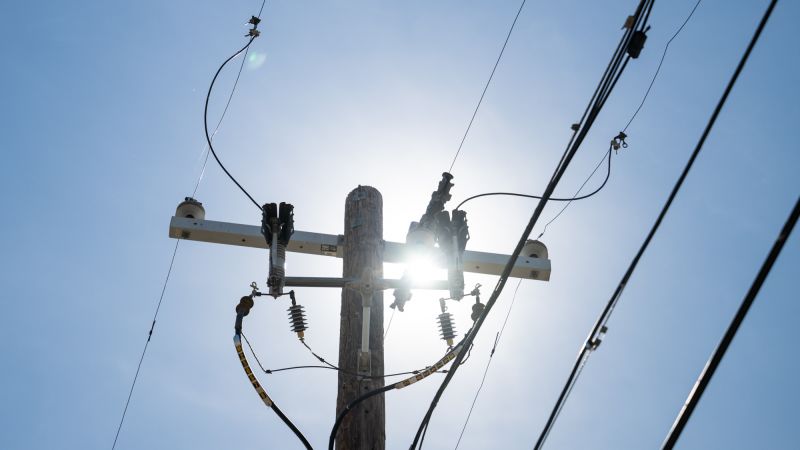
His experience reflects a growing trend across the country. The National Energy Assistance Directors Association projects a 10.5% rise in electricity bills nationwide for June through September, averaging $792 per month. This increase stems from both higher energy prices and increased demand for cooling, driven by forecasted above-average temperatures. The financial pressure is compounding existing challenges, as annual inflation in May reached 4%—its highest level in three years—thanks to soaring fuel and other costs linked to the Iran war.
Utility Bills Outpace Wages, Straining Families
As of April, wages are no longer outpacing inflation, leaving many households scrambling to cover basic expenses. For Alisha Hamid, a 34-year-old sales professional in Egg Harbor Township, New Jersey, electricity costs have nearly doubled in recent years. Her monthly bill now approaches $600, almost matching her mortgage payment. “It’s hard to stay on top of my expenses,” she said, adding that she’s forced to cut back on discretionary spending, like family trips to a water park.
“Every time I feel I’m getting ahead, prices go up and the finish line gets farther away,” Hamid said, waiting to determine if she qualifies for the federal Low Income Home Energy Assistance Program (LIHEAP).
Hamid’s situation highlights the strain on even middle-income families. While higher incomes are increasingly seeking utility aid, the executive director of the National Energy Assistance Directors Association, Mark Wolfe, noted that “middle- and moderate-income families are struggling to pay basic expenses.” This trend underscores the broader economic strain, with cooling costs becoming a critical part of household budgets.
Strategies to Cope with Escalating Energy Demands
Christina Meikrantz, a 46-year-old software support technician in Benton, Pennsylvania, has taken proactive steps to reduce her electricity expenses. She now limits AC usage by operating only one unit at a time, relying on fans and blackout curtains in key areas. “I’m trying to keep my energy costs down,” she said, while also planning to set up kiddie pools for her three dogs to mitigate the need for constant cooling.
“I’m afraid to get my next bill,” said Meikrantz, who feels overwhelmed by mounting expenses and worries about potential disconnection if she falls behind.
Despite these efforts, Meikrantz, like many others, is considering taking on a second job to cover costs. She’s reluctant to work 60-hour weeks but feels it’s necessary to avoid financial instability. Her story mirrors the experiences of countless Americans navigating an uncertain economic landscape, where the cost of staying cool is becoming a major concern.
Energy Costs Surge: A Long-Term Trend
Staying cool during the summer has grown increasingly expensive, with energy costs climbing nearly 40% since 2020, according to the National Energy Assistance Directors Association. This surge is not just a temporary spike but a sustained upward trend, exacerbated by climate patterns and inflationary pressures. For families like Martin’s, the higher bills are a stark reminder of how everyday expenses are reshaping financial priorities.
The U.S. Department of Energy has recommended several measures to manage energy costs. These include installing window coverings to reduce heat intake, setting thermostats higher when away from home, and maintaining cooling systems through regular upkeep. Simple adjustments like sealing cracks and air leaks around windows and doors can also lower energy consumption. However, these strategies may not be enough for those facing severe budget shortfalls.
Personal Stories Highlight the Human Impact of Inflation
Hamid’s struggle to explain the loss of water park visits to her daughter, Angelina, illustrates the personal toll of inflation. “I can’t afford to take her to the park anymore,” she said, opting instead for a cheaper local option. Meanwhile, Meikrantz’s fear of receiving another electricity bill underscores the anxiety many feel as they navigate rising costs. These anecdotes paint a vivid picture of how economic challenges are translating into everyday hardships.
As the summer heat intensifies, the need for cooling solutions is expected to grow, further straining household budgets. The combination of higher fuel prices, inflation, and extreme weather conditions is creating a perfect storm for families across the U.S. The question remains: Will these rising costs influence voters’ decisions in the upcoming November elections? Many are already thinking about how economic pressures will shape their choices.
Looking Ahead: Adapting to a New Reality
With energy costs set to rise, experts warn that the financial strain will persist. The National Energy Assistance Directors Association’s projections suggest that households will face a more expensive summer than ever before. For those unable to afford the increase, programs like LIHEAP provide a lifeline, though eligibility criteria can exclude even those struggling to make ends meet.
As the economy continues to test the limits of household budgets, individuals are being forced to adapt. From adjusting thermostat settings to rethinking lifestyle choices, the pursuit of affordable cooling is becoming a central challenge. For Kevin Martin, Alisha Hamid, and Christina Meikrantz, the summer of 2026 is shaping up to be a season of financial tension and personal sacrifice, as the cost of staying cool becomes an unavoidable part of everyday life.