UN Inquiry Finds Deliberate Russian Attacks on Ukraine’s Energy System Caused Civilian Suffering
Sandego.net – Russia’s sustained strikes on Ukraine’s civilian energy network amount to war crimes and crimes against humanity, a United Nations investigative panel has concluded, describing a campaign designed to deny civilians essential heat and electricity during winter.
The Independent International Commission of Inquiry on Ukraine said its latest findings show that attacks on power and heating infrastructure were intentional and reflected a state policy aimed at depriving civilians of critical energy supplies. The report is being presented to the UN General Assembly.
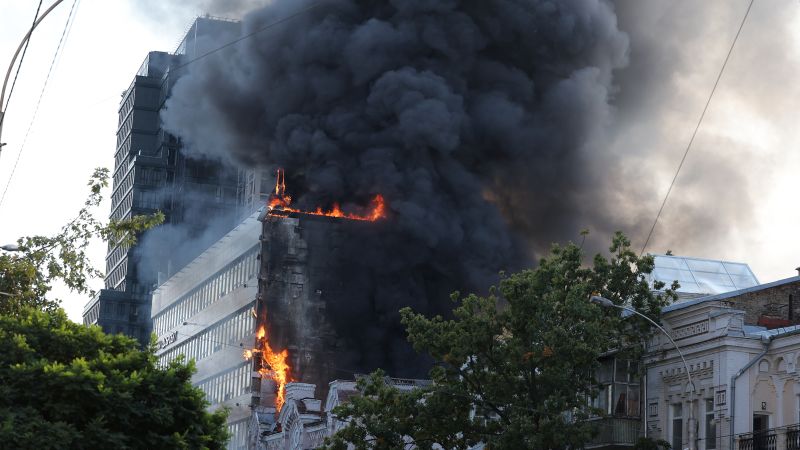
Russian forces have struck Ukrainian power facilities since the first months of the full-scale invasion in 2022. The attacks intensified sharply at the start of the previous winter, when many households faced prolonged blackouts and a lack of heating as temperatures fell.
“Russian commanders who were ordering these attacks knew that the heating facilities they targeted were indispensable to the civilian population, in particular during the winter,” the commission said.
Winter outages and human consequences
The panel said the effects of the energy strikes reached far beyond inconvenience. In the most heavily affected areas, Ukraine said large-scale drone and missile attacks last winter cut thermal power-generation capacity by 70%. The damage came during an exceptionally severe cold spell, with temperatures falling to minus 30 degrees Celsius, or minus 22 degrees Fahrenheit, on several occasions.
Without reliable heat, power and water services, civilians faced dangerous conditions inside their own homes. The commission said Ukrainian medical authorities documented deaths linked to cold exposure in residences and hospitals.
Hospital workers also treated patients suffering from hypothermia and frostbite after they spent time in unheated buildings. Some required hospitalization after developing cold-related injuries at home.
“Cold—it paralyzes you; there’s simply no way to get warm, and terrifying thoughts come into your mind,” a woman living in Dnipro told the commission.
Dnipro, Ukraine’s fourth-largest city, has repeatedly faced the wider consequences of attacks on energy infrastructure. When generation, transmission or heating facilities are damaged, the impact can spread quickly through apartment blocks, hospitals, schools and other public services, especially when repairs must be carried out during freezing weather.
Senior Russian officials named
The UN commission identified President Vladimir Putin and other prominent Russian officials in its assessment of responsibility for the alleged crimes. It said Putin had made several statements concerning instructions for strikes against Ukraine’s energy infrastructure.
The inquiry also pointed to former Defense Minister Sergei Shoigu, current Defense Minister Andrey Belousov, and Chief of the General Staff Valery Gerasimov. Its evidence indicates that these officials were involved in planning or overseeing the attacks, the report said.
The International Criminal Court has previously issued arrest warrants for Putin, Shoigu and Gerasimov over allegations involving war crimes and crimes against humanity. Those warrants are separate legal actions, while the UN commission’s work is intended to establish facts and identify conduct that may require accountability under international law.
The commission was created by the UN Human Rights Council shortly after Russia began its full-scale invasion of Ukraine in February 2022. Its previous work has examined allegations of sexual and gender-based violence by Russian armed forces, as well as the large-scale forced deportation of Ukrainian children by Russian authorities.
Energy infrastructure remains a central battlefield
The findings arrive as Ukraine enters another cold-weather period with its air-defense resources under severe pressure. Russia has indicated that strikes against energy targets will continue. In August, the Russian Defense Ministry announced attacks on Ukrainian energy infrastructure and declared:
“In winter you will freeze.”
Ukraine has repeatedly sought additional air-defense missiles from its Western partners, with President Volodymyr Zelensky emphasizing the risks that winter attacks pose to civilians. Intercepting large waves of drones and missiles is critical not only for military protection but also for preserving power generation, heating networks and the ability of emergency services to operate.
Ukraine has also targeted Russian oil and gas facilities in an effort to reduce Kremlin revenue from energy exports. Those operations have been eased after criticism from US President Donald Trump, who has blamed Ukraine for higher gas prices.
The commission’s conclusions place renewed focus on the legal distinction between military objectives and infrastructure indispensable to civilian survival. Electrical grids and heating systems may have strategic importance during a war, but international humanitarian law places strict limits on attacks when the expected civilian harm is excessive or when essential civilian needs are deliberately targeted.
For Ukrainians facing another winter under threat of missile and drone attacks, the issue is immediate: access to warmth, lighting, medical care and basic daily services. The UN panel’s findings characterize the deprivation of those necessities not as an accidental effect of combat, but as a deliberate element of Russia’s conduct in the war.
Related Reading
Frequently Asked Questions
What is UN panel?
UN panel is the main topic of this guide. The article explains the context, practical details, and next steps readers should understand.
Why does UN panel matter?
UN panel matters because readers are looking for a useful answer, not just a short summary. Good content should match search intent and help them decide what to do next.