Trump Rejects Iran Plan to Reopen Strait of Hormuz
Sandego.net – President Donald Trump rejects proposal to reopen the Strait of Hormuz, dismissing an Iranian plan that Tehran said could restore maritime traffic and restart negotiations with Washington.
Iran had proposed reopening the waterway if the United States accepted a set of conditions. Speaking to reporters Saturday, Trump said the offer was not acceptable, although he indicated he remained open to making a deal.
“I reject their proposal,” Trump said.
Trump said Iran was seeking a rapid agreement because it was under pressure. He said reopening the strait immediately under the terms Tehran presented would not be sufficient for the United States.
“They want to make a deal where they open the strait immediately because they’re losing so badly,” Trump said. “They want to make a deal, and I think that’s fine. I like making a deal too, but that deal would not be acceptable.”
Iran awaits an official US response
Iranian Foreign Minister Abbas Araghchi said Tehran had noted Trump’s public remarks but would wait for a definitive response delivered through mediators. He said Iran would not abandon the conditions attached to its proposal.
“We will not back down from them,” Araghchi said.
The proposal was announced earlier in the week as a potential way to reopen the Strait of Hormuz and resume US-Iran talks. Araghchi did not publicly detail every condition, but said they were consistent with provisions in a memorandum of understanding signed by the two countries in June.
That agreement later collapsed amid renewed fighting. Its provisions included sanctions relief, access to frozen Iranian assets and an end to military operations, including operations in Lebanon.
Araghchi said implementation could begin immediately if Washington accepted the plan. He said normal maritime passage could return within seven days if the conditions were met.
“If the necessary conditions are met, the strait can be reopened, a normal maritime passage restored within seven days. The choice now rests with the United States,” Araghchi said during a visit to New York for the United Nations General Assembly.
Hormuz remains a key point of leverage
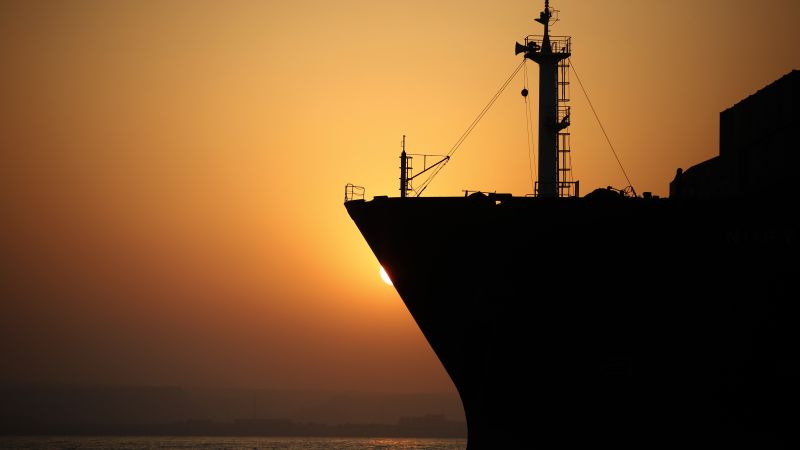
The Strait of Hormuz connects the Persian Gulf with the Gulf of Oman and the Arabian Sea. It is a crucial route for regional shipping and global energy supplies, making any prolonged disruption a concern for commercial vessels, energy markets and countries reliant on Gulf access.
Trump rejects proposal to reopen the route while Iran continues to link safe navigation to a wider political and economic agreement. The disagreement shows how far apart Washington and Tehran remain over the terms for restoring normal maritime transit.
Araghchi argued that security in the waterway could not be separated from the broader conflict. He criticized military action, threats, maritime restrictions and coercive measures, saying they were incompatible with an automatic return to normal navigation.
“You cannot bomb a country, threaten its annihilation, impose a maritime blockade, and coercive measures, and expect automatic restoration of security and navigation,” Araghchi said.
A White House official had earlier described mediated discussions as positive and constructive, but said the United States did not feel pressure to move quickly.
“The United States is in a very strong position with control of the Strait of Hormuz, so we are not in a rush,” the official said.
FAQ: What the dispute means
What did Trump reject? Trump rejects proposal to reopen the Strait of Hormuz under Iran’s stated conditions, saying the terms were unacceptable.
Is the Strait of Hormuz expected to reopen soon? Iran says passage could be restored within seven days if its conditions are met, but no agreement has been announced and Tehran is awaiting an official US position.
Why does the strait matter? The waterway is central to Gulf maritime traffic and global energy shipments, so its status affects shipping companies, energy markets and countries that depend on the route.