US Allocates $750,000 to Evacuate American from Hantavirus Cruise Ship
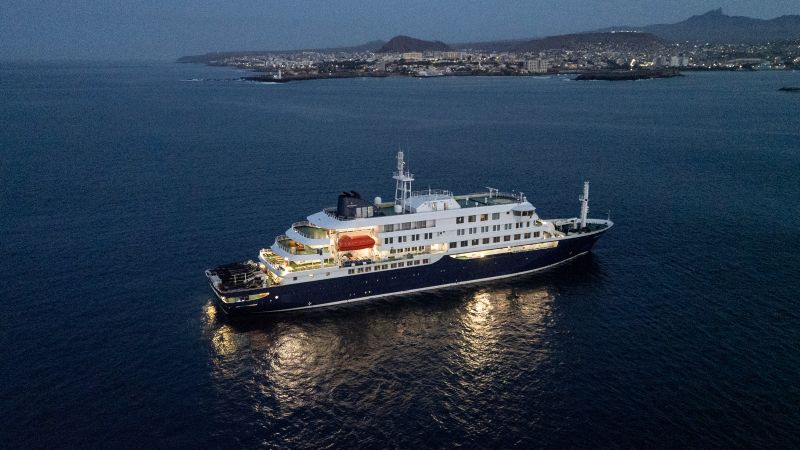
Sandego.net – The US puts up 750K to evacuate an American citizen from a remote South Pacific island after her potential exposure to hantavirus during a cruise ship voyage. This unprecedented expenditure highlights the State Department’s efforts to respond swiftly to health emergencies abroad. The evacuation was initiated following reports that the woman, who had been on the Dutch vessel MV Hondius in April, was at risk of contracting the virus. The decision underscores the growing financial strain on the State Department’s emergency contingency funds, which are increasingly tasked with handling unexpected crises.
Hantavirus Outbreak and Evacuation Challenges
The hantavirus outbreak, which began on the MV Hondius, led to multiple illnesses and at least three fatalities. Despite this, the individual remained asymptomatic during the evacuation process. Pitcairn Island, a British territory with fewer than 50 residents, presented unique challenges due to its lack of an airport and limited maritime access. French Polynesian authorities initially declined assistance because the woman had not disclosed her potential exposure during a stopover. This delay forced the US to cover the cost of a private yacht charter to transport her to Easter Island, a Chilean territory, for onward travel to the United States.
“The US puts up 750K to evacuate measures ensure Americans can return home safely, even in isolated locations,” said a State Department official. “When local support is unavailable, we prioritize rapid response to protect U.S. citizens.”
Financial Impact on Emergency Funds
The allocation of $750,000 to the US puts up 750K to evacuate operation has placed additional pressure on the State Department’s K Fund, a critical resource for handling unexpected crises. The fund’s balance has dwindled to its lowest level in seven years, raising concerns about its ability to support future emergencies. Officials are now considering a plan to inject $50 million into the K Fund by reallocating funds from embassy security and diplomatic programming accounts. While the exact cost of the evacuation remains under review, the incident has reignited discussions about the need for sustained financial backing for global contingency efforts.
State Department officials, speaking under anonymity, emphasized that the US puts up 750K to evacuate strategy is part of a broader framework to manage health and safety crises. This includes coordinating with international partners to ensure swift evacuations during outbreaks like the hantavirus incident or other emergencies such as the Ebola outbreak. The recent action on Pitcairn Island has drawn attention to the department’s capacity to operate in remote regions, where traditional logistics may be insufficient.
The woman’s evacuation also highlights the logistical complexities of responding to health threats in isolated areas. Pitcairn Island’s remote location, combined with its historical status as a British territory, made it difficult to secure immediate support. The journey to Easter Island required careful coordination between U.S. and Chilean authorities, as well as the use of a private yacht to expedite the transfer. This step was necessary to ensure the individual could access medical care and further travel arrangements in the United States.
Experts note that the US puts up 750K to evacuate approach is a strategic move to maintain the credibility of the State Department’s emergency response. However, the cost underscores the need for better budget planning in the face of recurring global health challenges. The incident on Pitcairn Island serves as a reminder of how critical these funds are, especially when local infrastructure cannot handle the situation. As the K Fund’s resources dwindle, officials are working to balance immediate needs with long-term financial stability.
The hantavirus outbreak on the MV Hondius has sparked renewed interest in the virus’s impact on global travel. While the evacuation of one individual may seem small in scale, it reflects the broader risks posed by such outbreaks. The US puts up 750K to evacuate action highlights the importance of proactive measures to prevent the spread of infectious diseases. As the cruise industry continues to operate in remote regions, the potential for similar health emergencies remains a concern for policymakers and health officials alike.